
The Generation Screen
In France, teenagers now spend the equivalent of a full-time job in front of screens. This reportage explores a generation growing up between connection, addiction, education and danger, in a world where digital life has become impossible to escape.
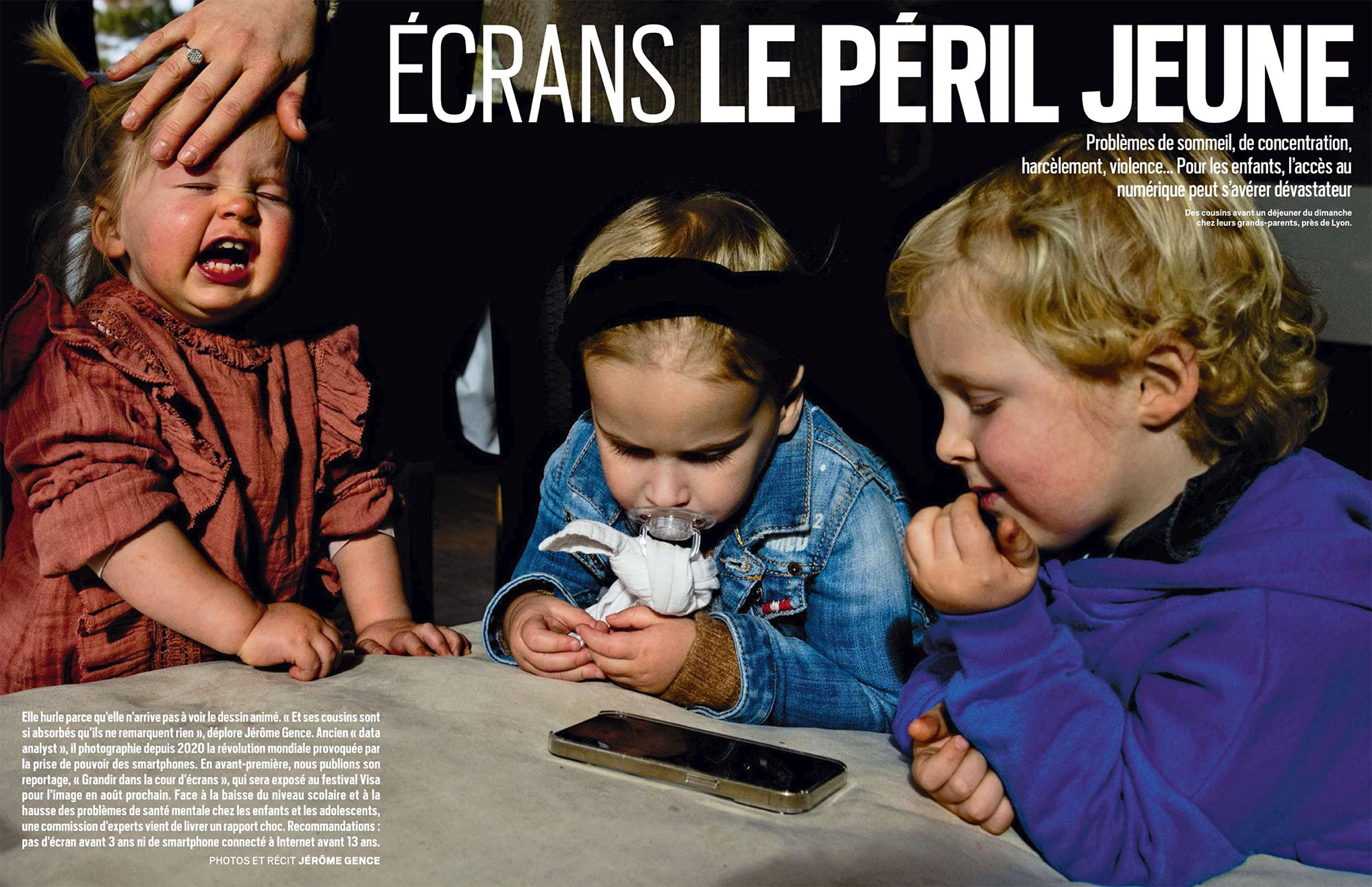
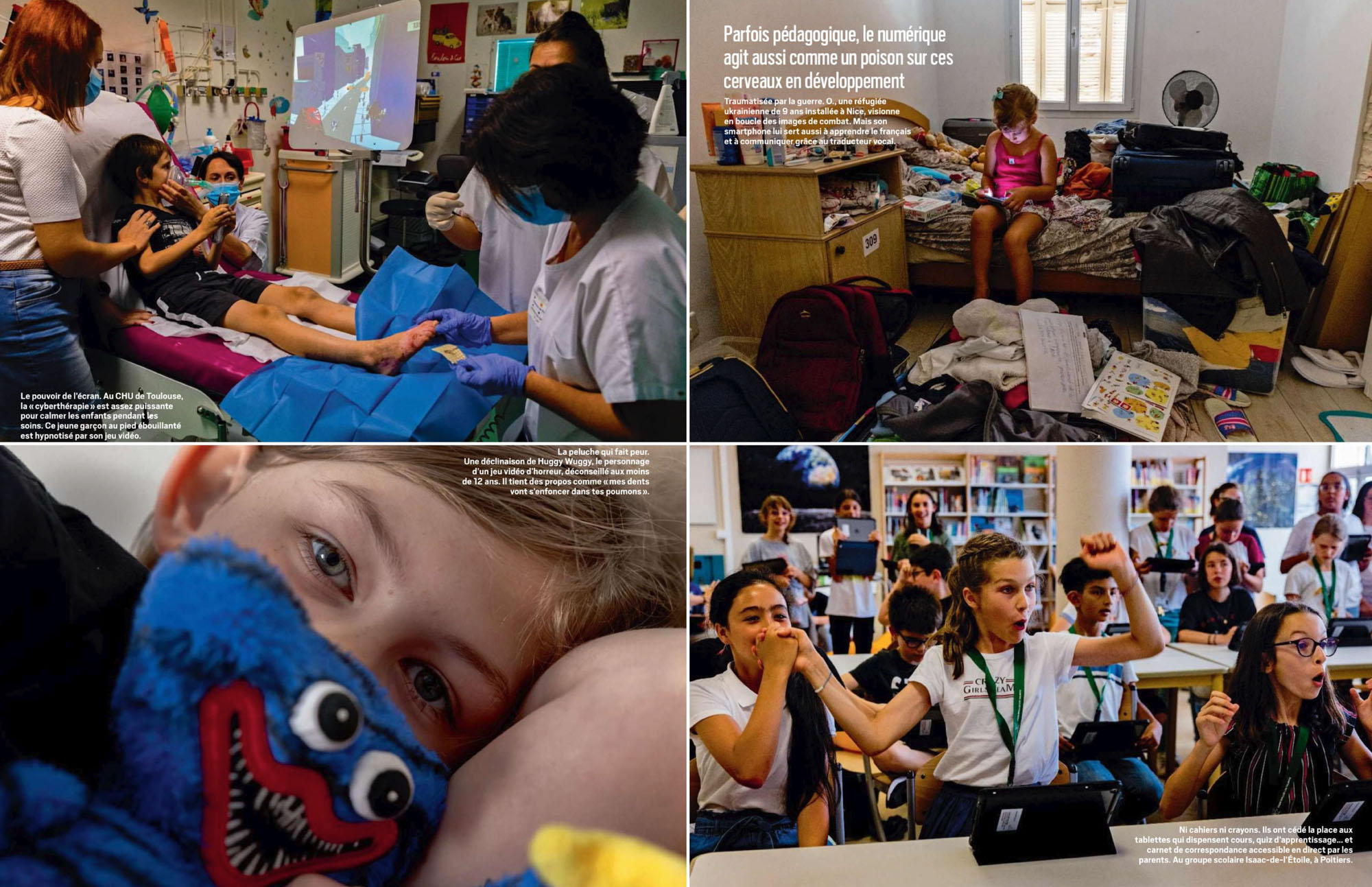
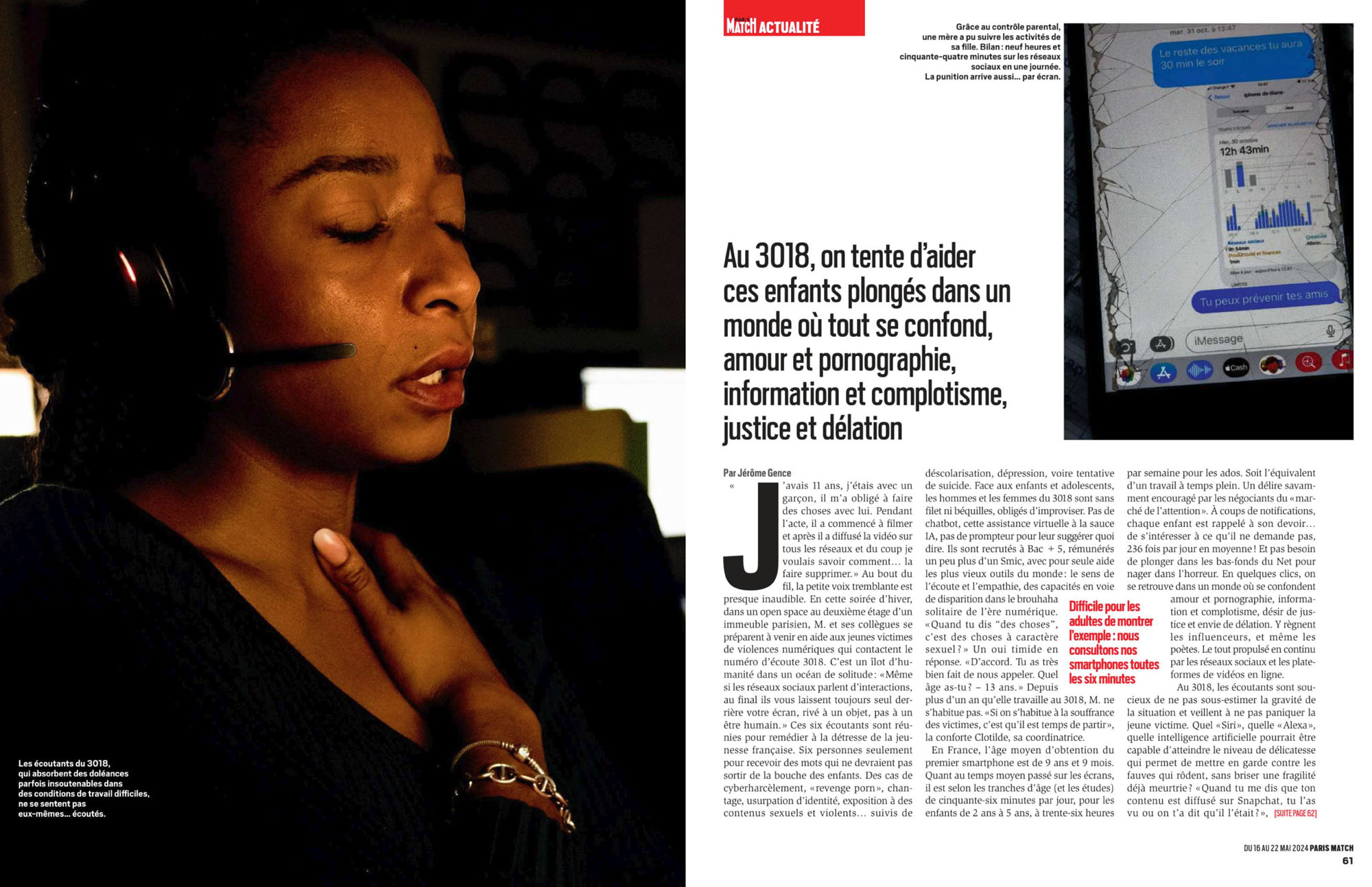
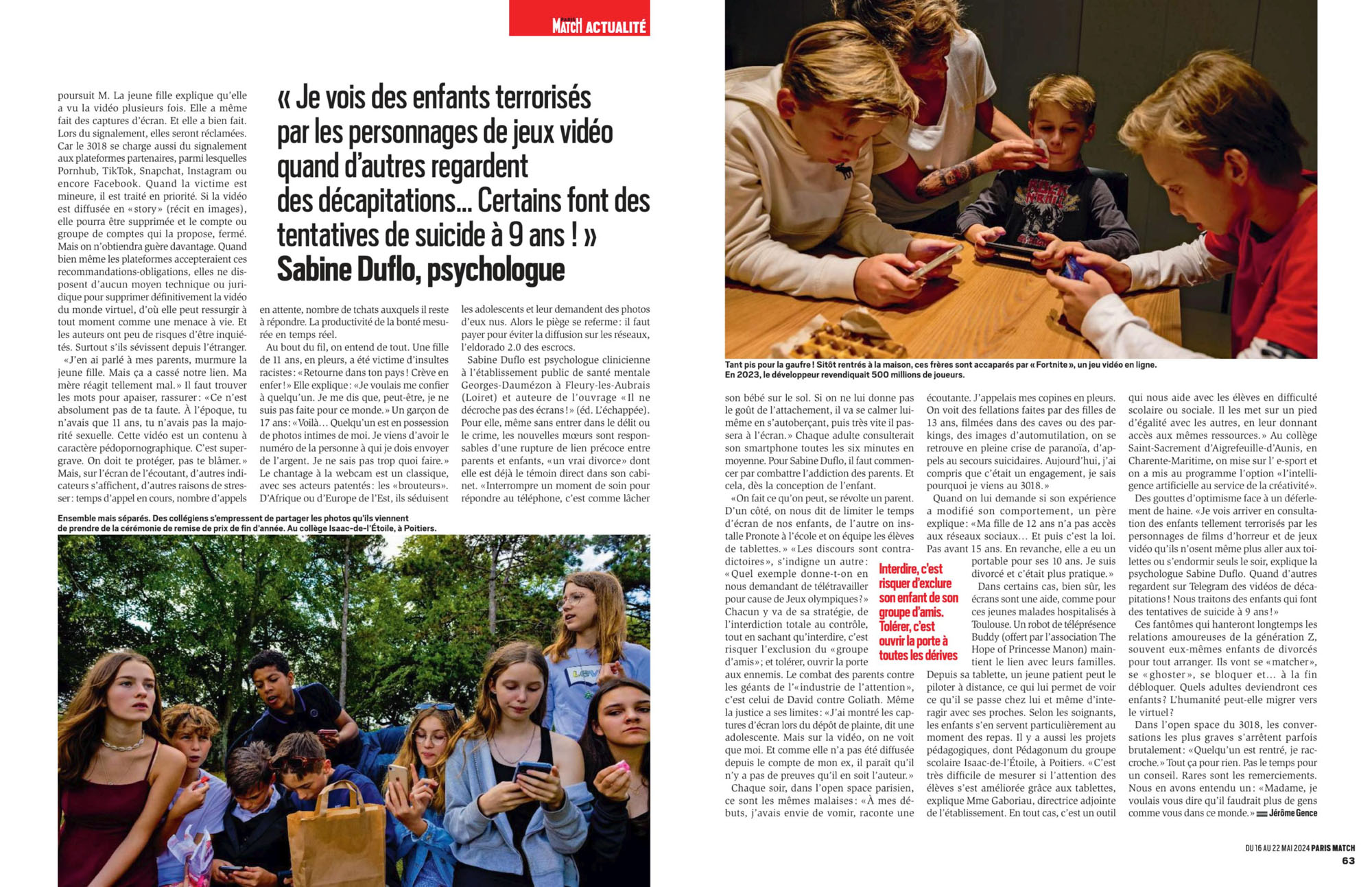
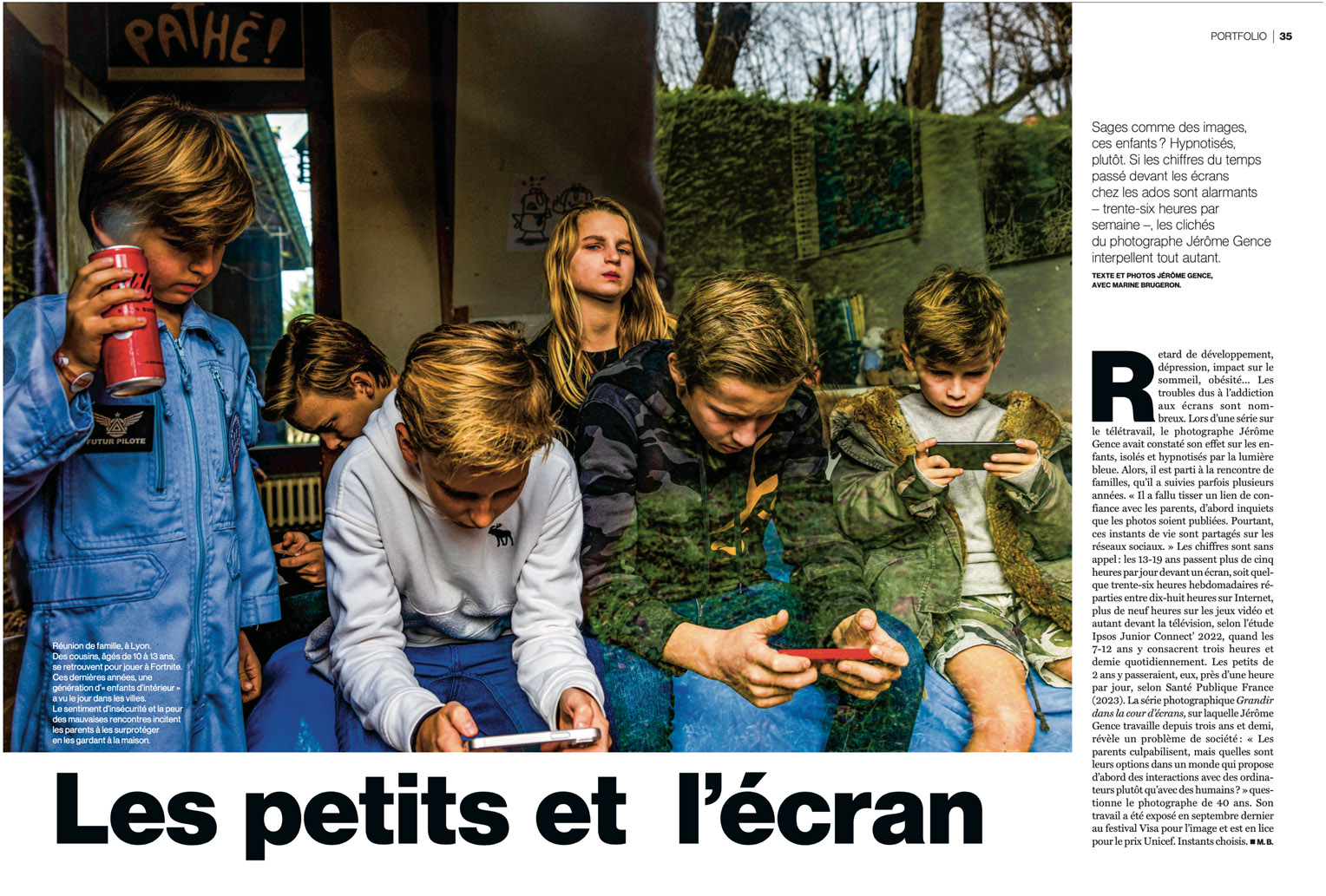
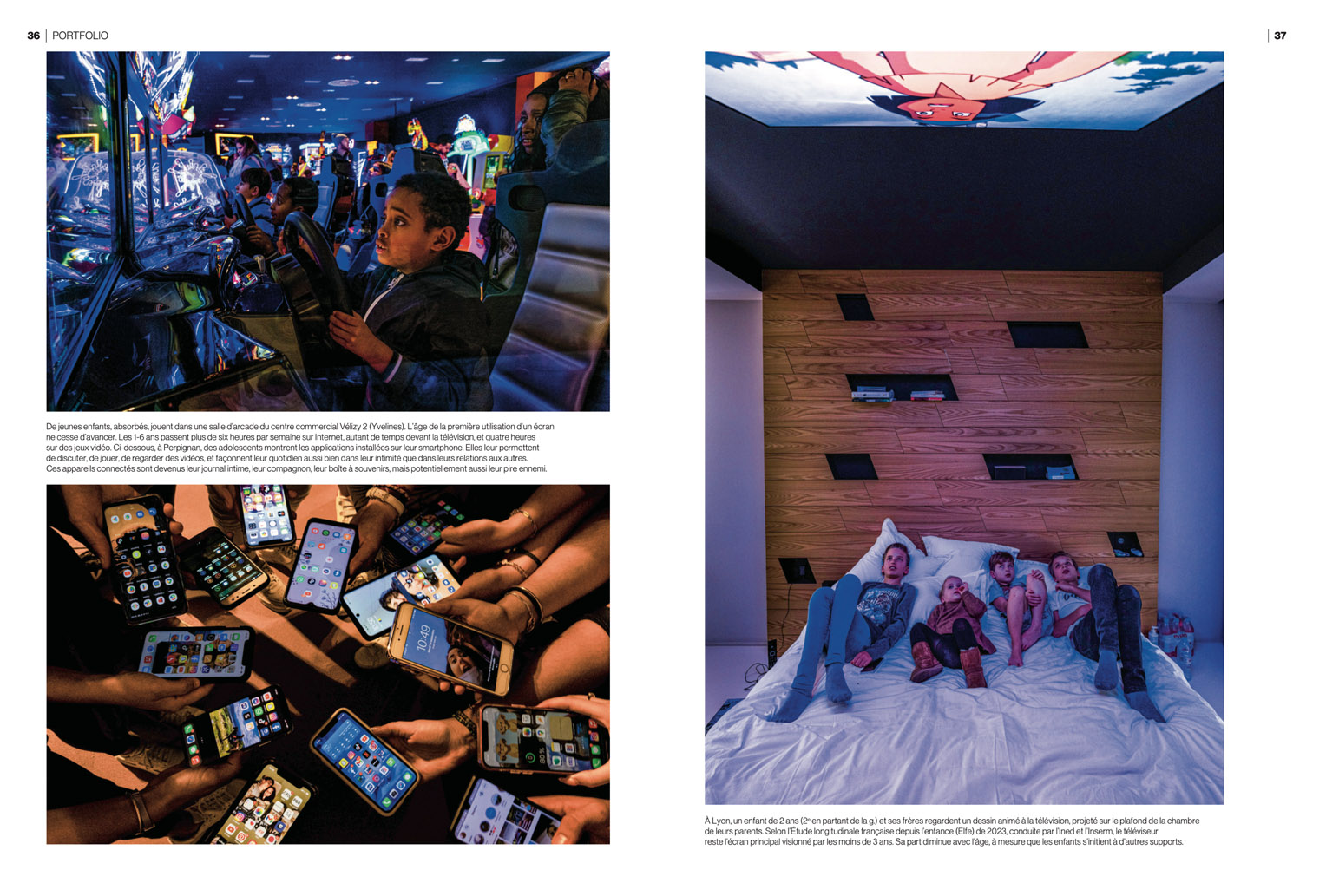
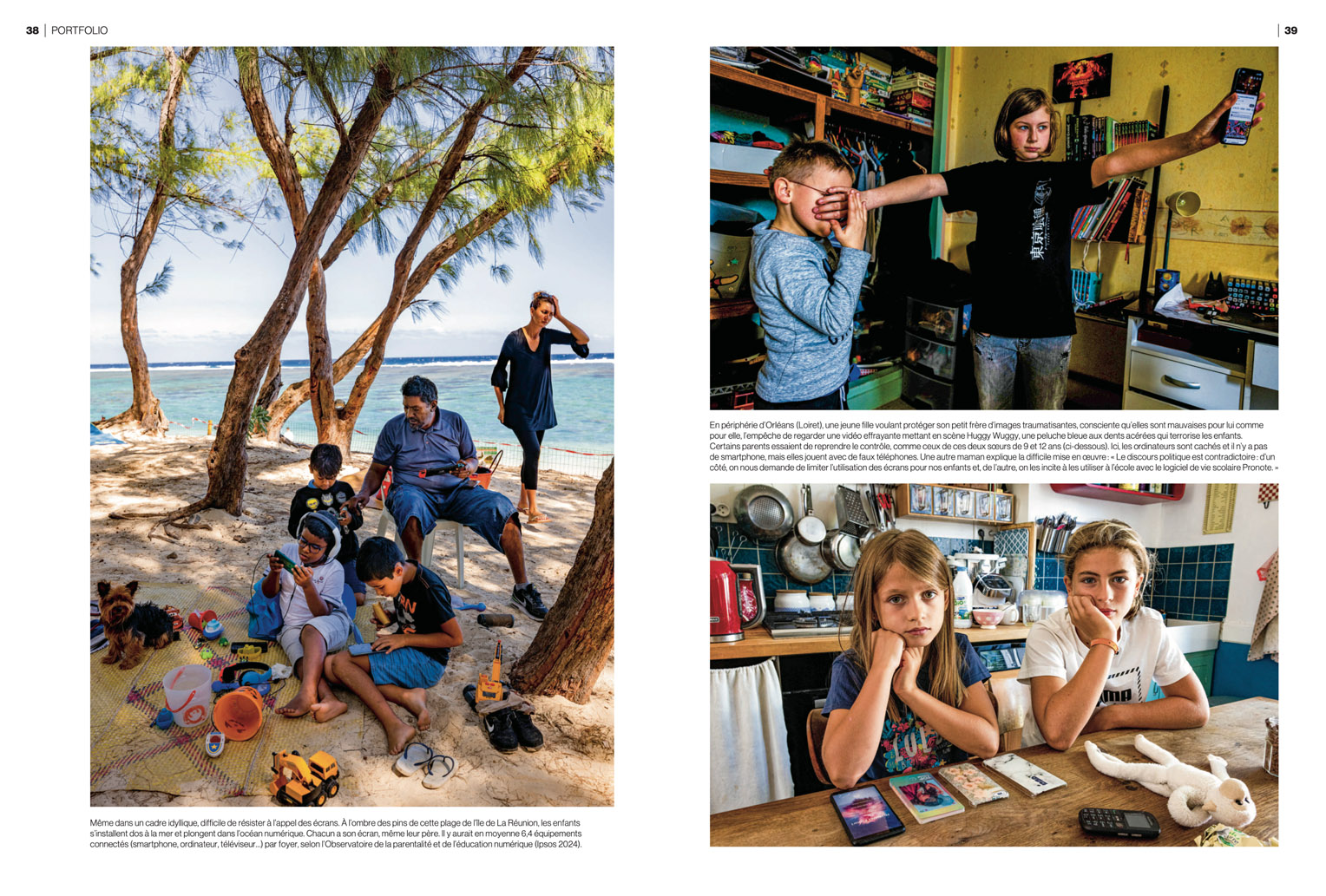
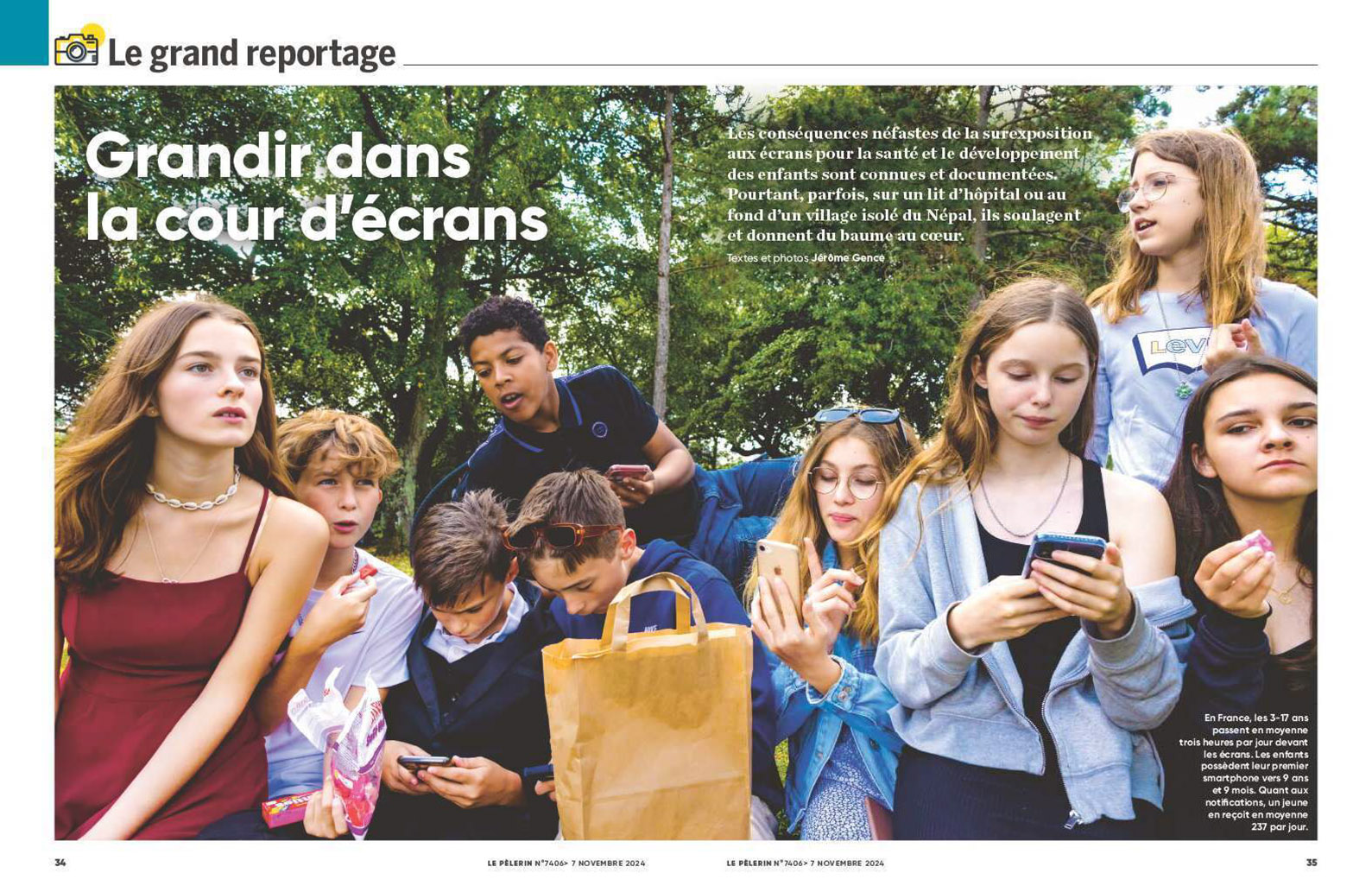
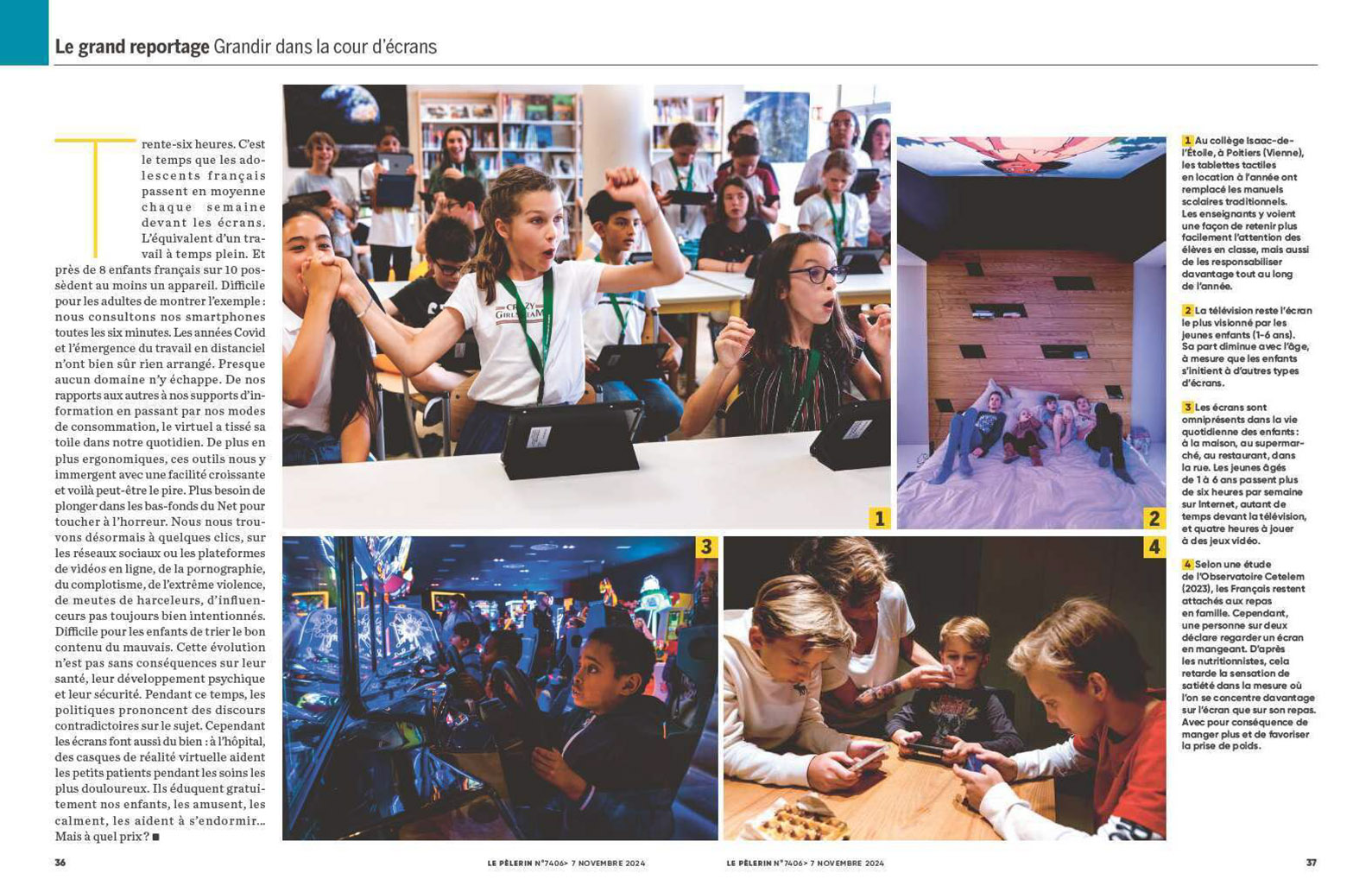
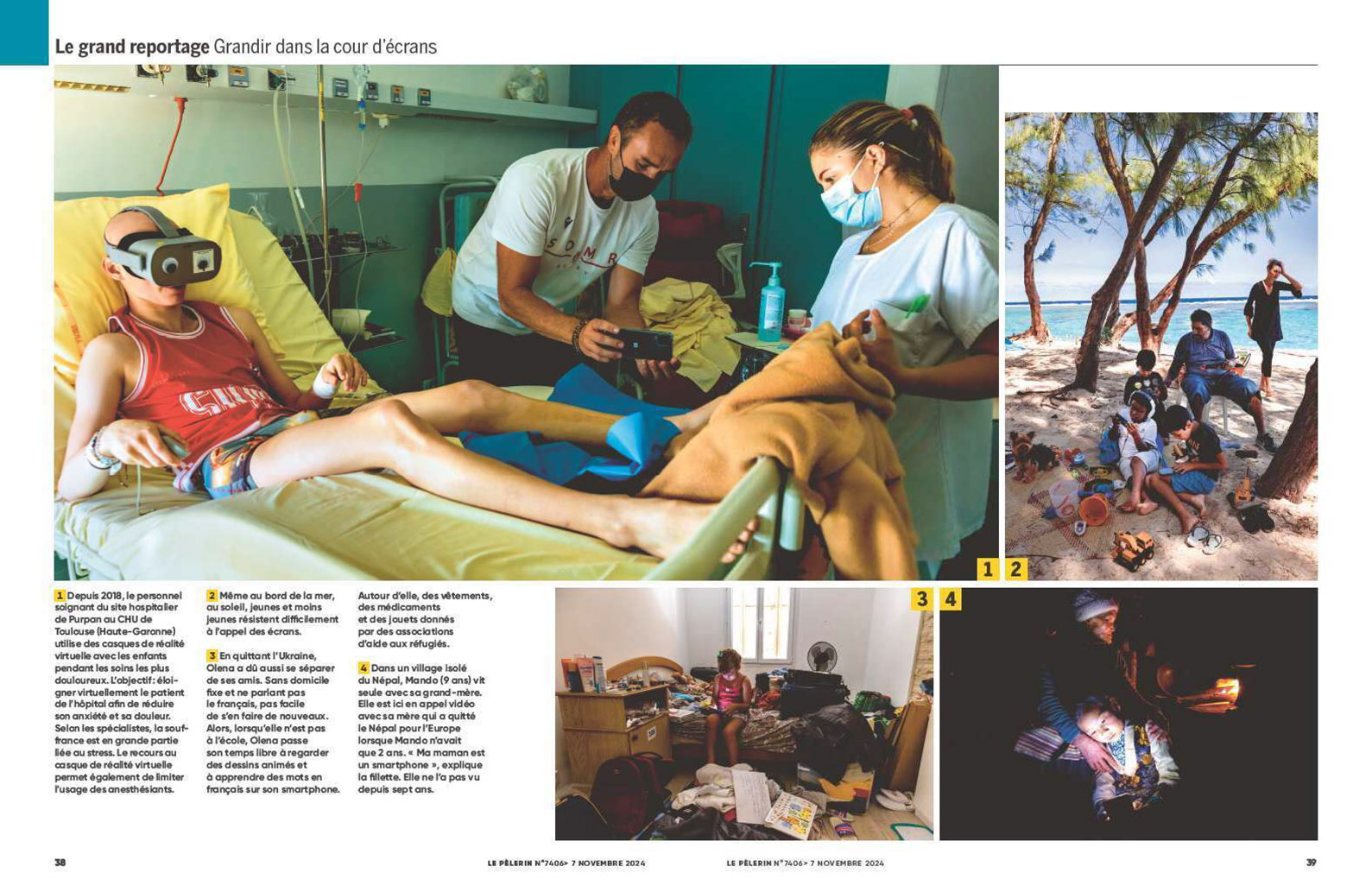
Thirty-six hours of screen time per week: that is the average for French teenagers. It is the equivalent of a full-time job. And adults, who on average check their smartphones every six minutes, are hardly setting a better example. In France, approximately 80% of children have at least one personal digital device. In the post-pandemic world, society has become increasingly digital in every field: healthcare, finance, politics, and even education. This has brought about a small revolution in our habits, transforming our relationships, our sources of news and information, and, of course, our consumer behaviour, as digital tools have become a permanent part of everyday life. To make matters worse, it now takes little effort to venture into the inner circles of the Internet inferno and encounter tales of horror. In just a few clicks, one can enter a virtual world where love and pornography sit side by side, as do news stories and conspiracy theories, justice and injustice, poets and influencers. Behind it all, acting as a constant driving force, are social media platforms, video-sharing services, and online games. In France, the consequences for the younger generation are increasingly being reported: effects on health, mental development, and safety, as well as threats such as cyberbullying and the risk of contact with dangerous individuals. While digital technology, apps, and screens can educate, entertain, and distract children, one question remains: what price must be paid?
Publications