
Virtual Weddings

Virtual Weddings
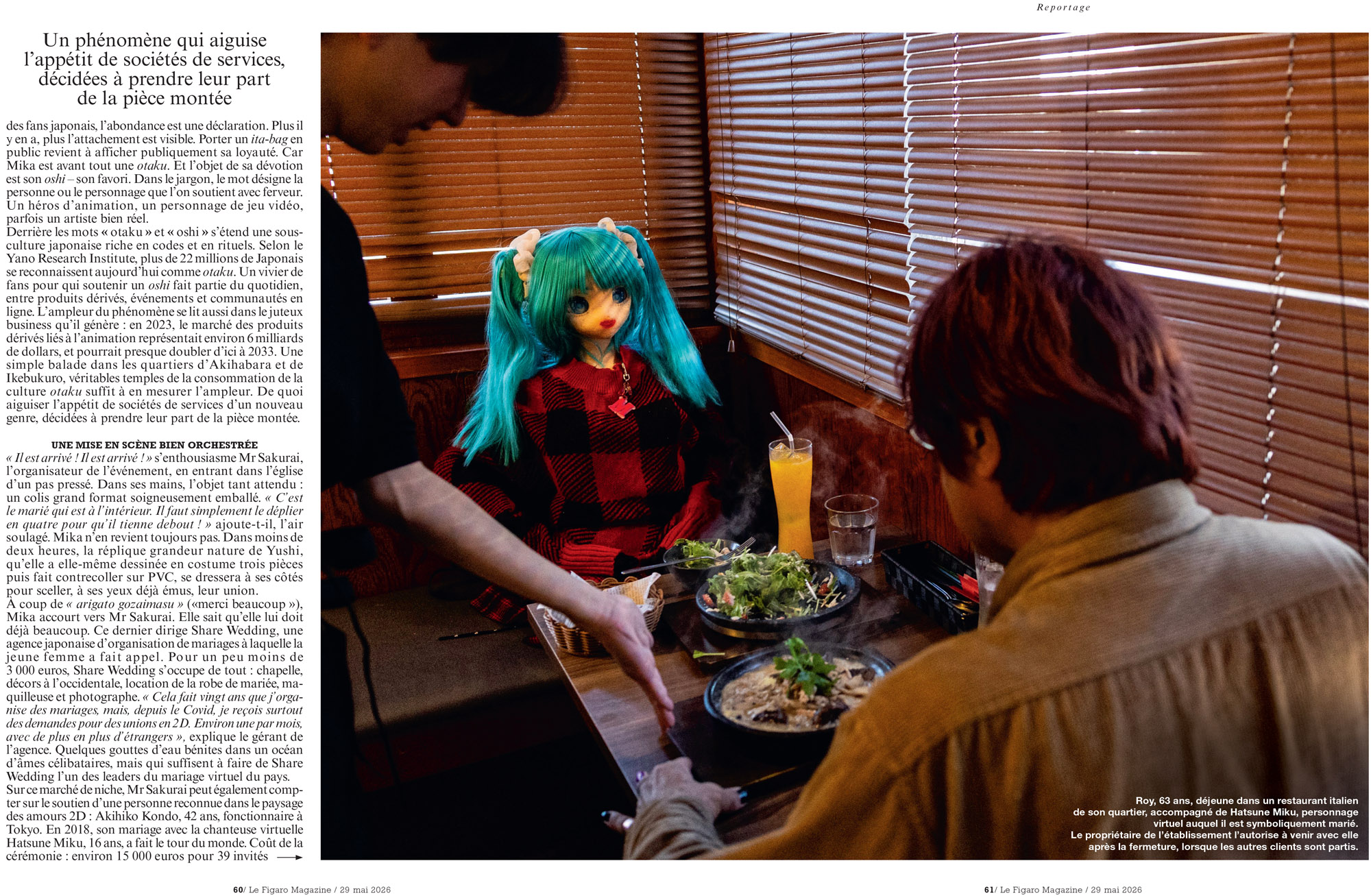
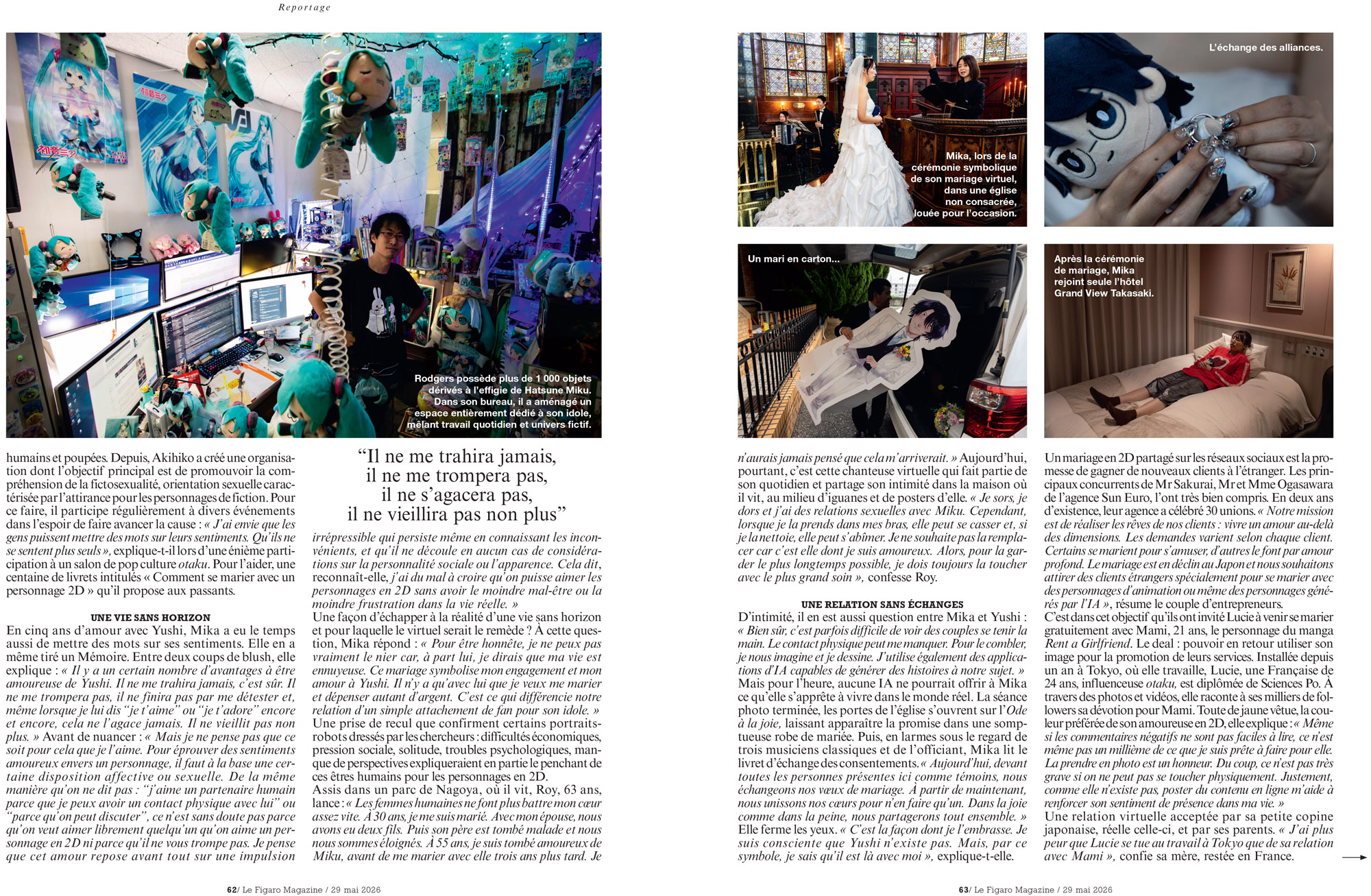
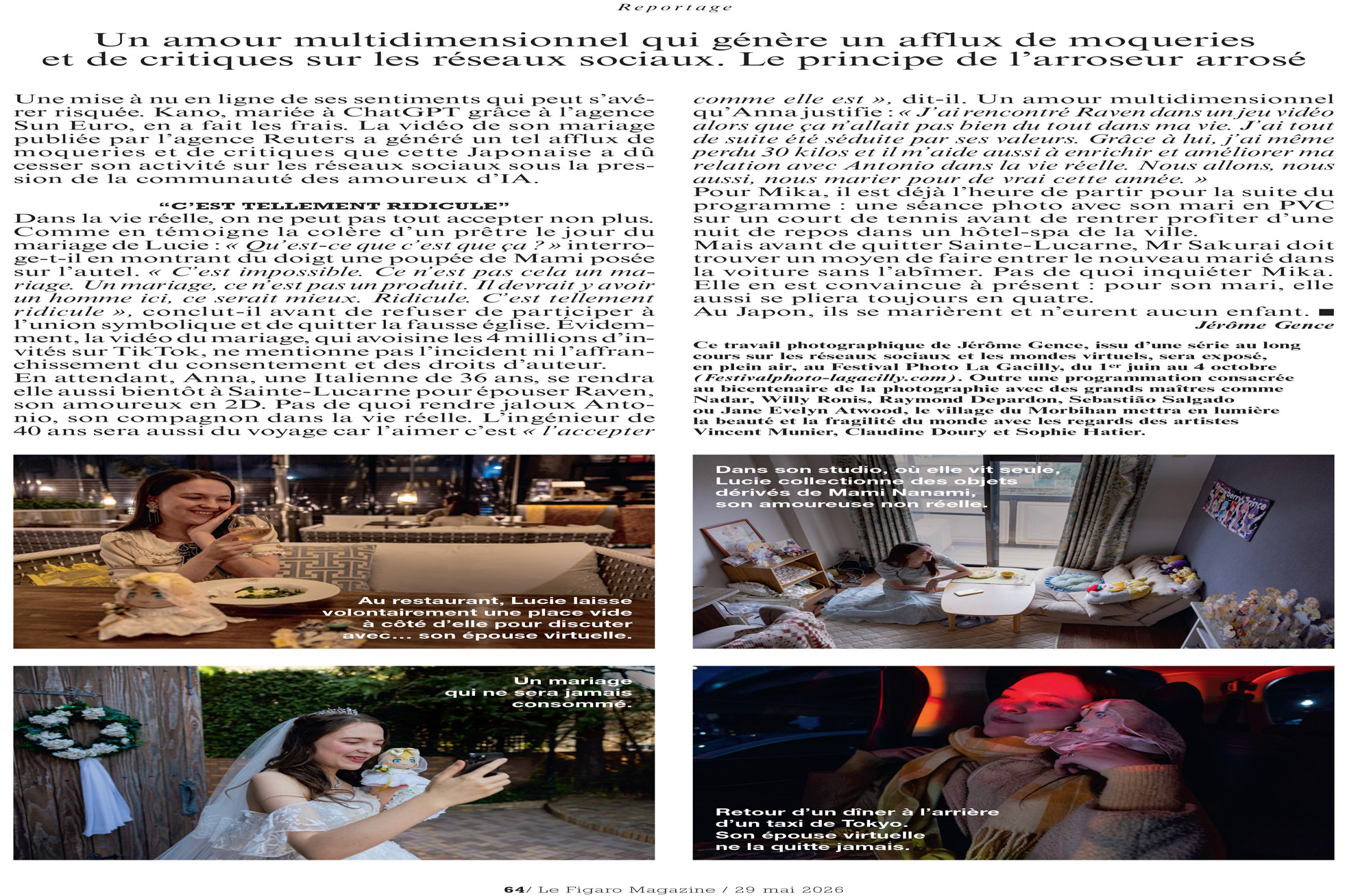
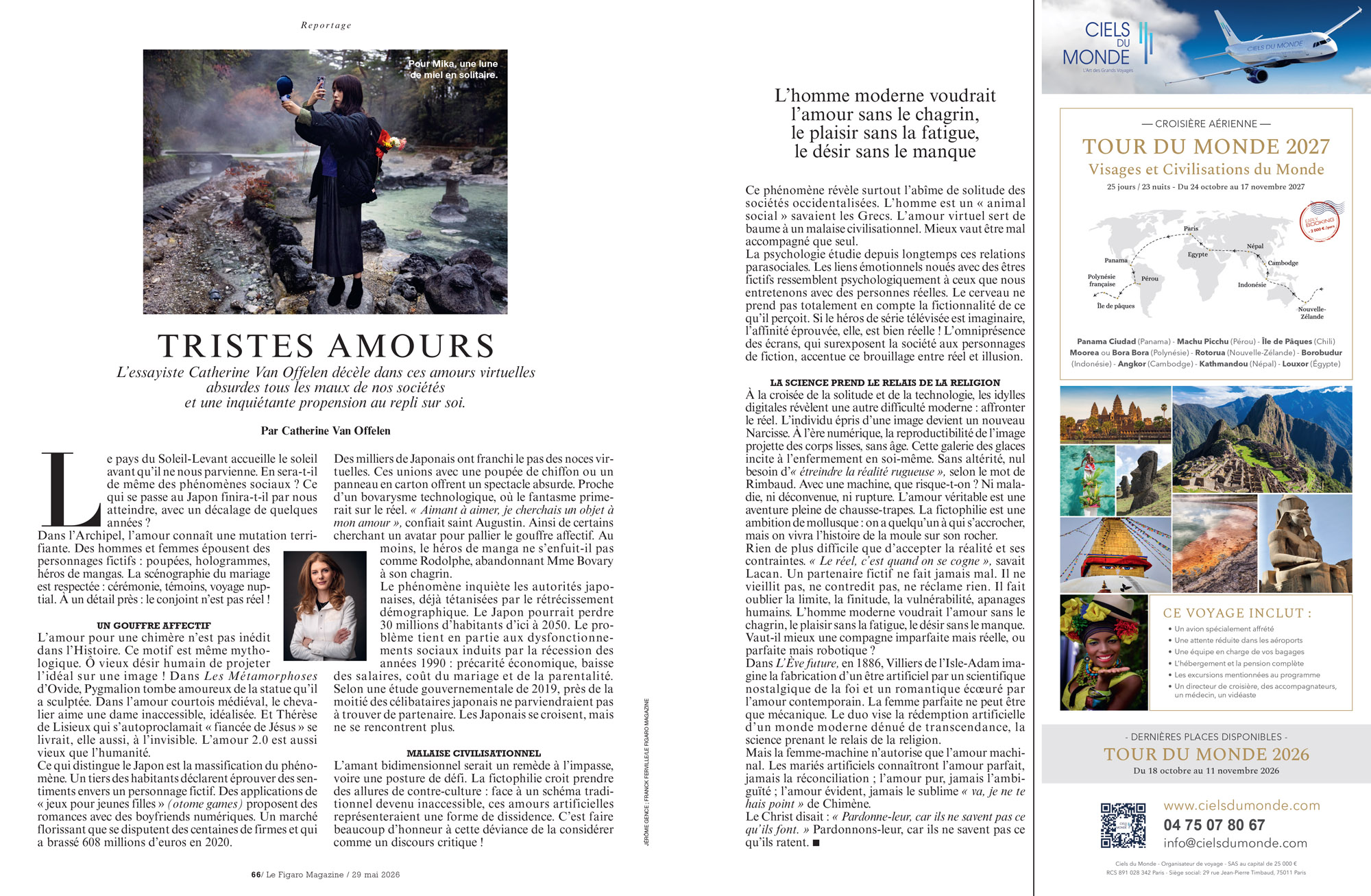
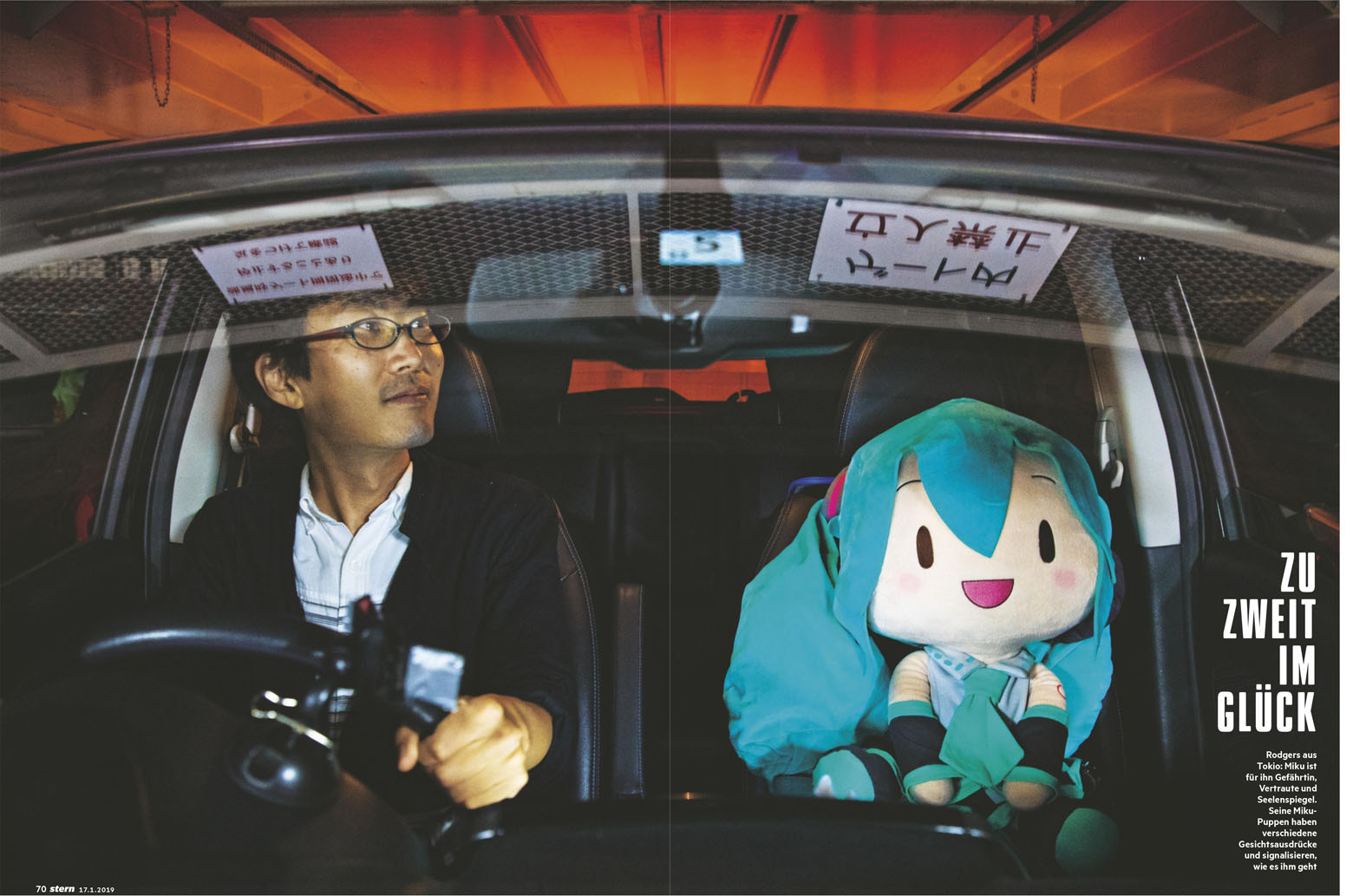
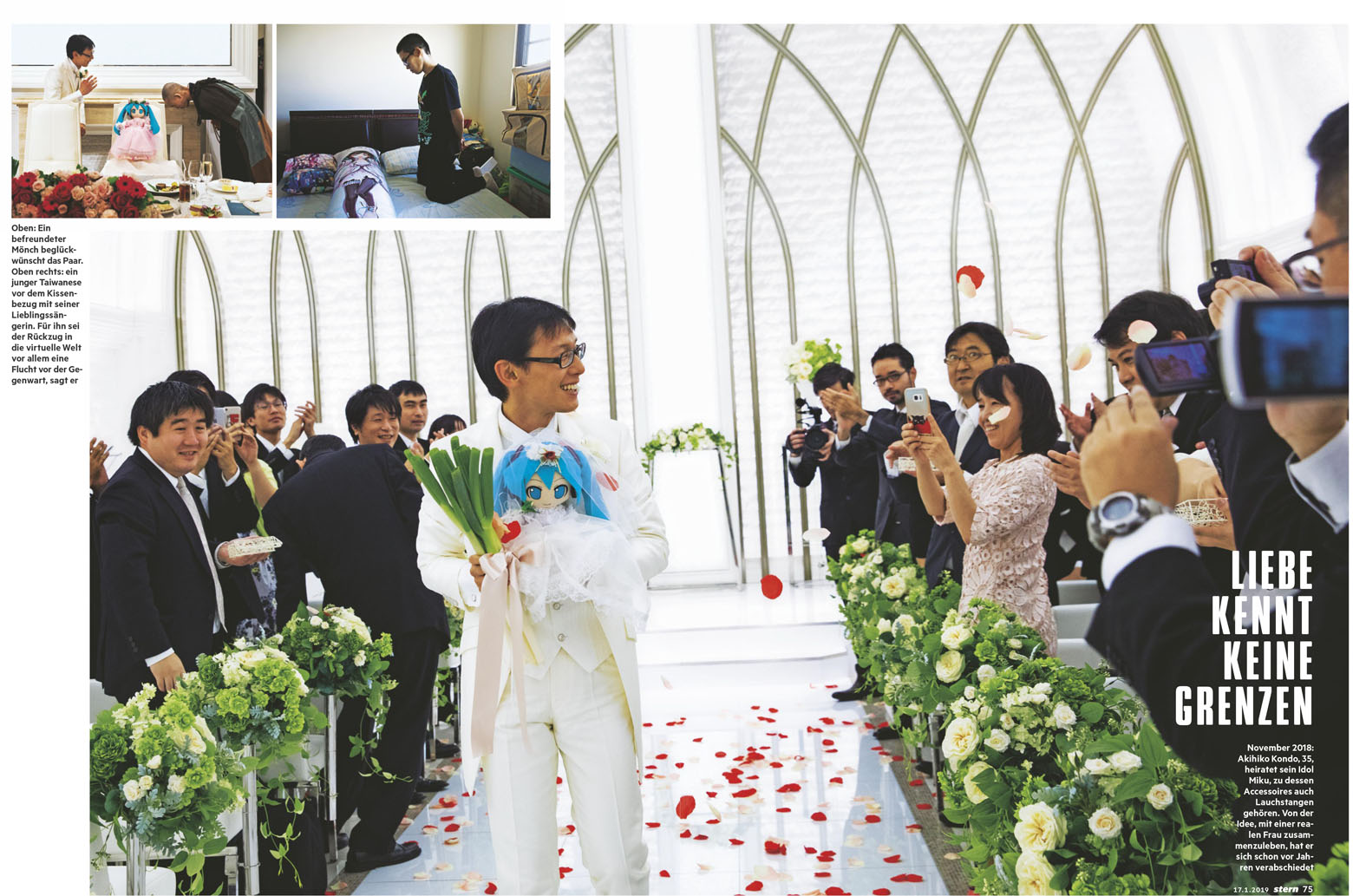
This reportage tells the story of women and men who choose to marry fictional characters from manga and video games.
Through these virtual unions, it explores loneliness, social pressure, and how the digital world is reshaping love, relationships, and perhaps already the family.
This reportage tells the story of women and men who choose to marry fictional characters, mainly from manga and video games. It explores a phenomenon at the crossroads of otaku culture, the merchandising economy, and new forms of emotional attachment. Behind the apparent strangeness of the subject emerge deeply contemporary questions facing our societies: chosen or imposed loneliness, social pressure, economic hardship, the growing power of the virtual world, and the transformation of relationships — and perhaps even of the family itself.

Publications

Videos

The Generation Screen
The Generation Screen
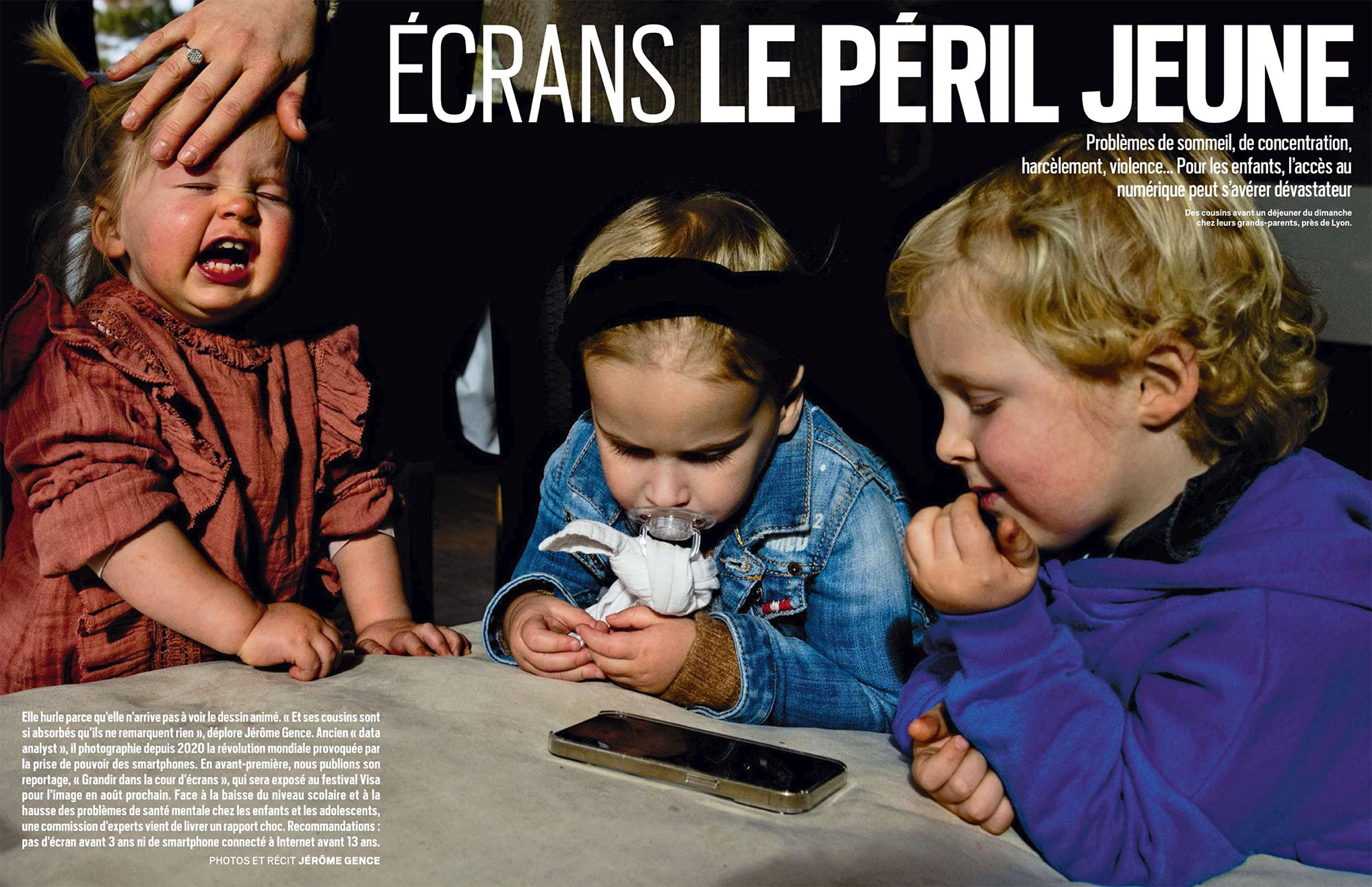
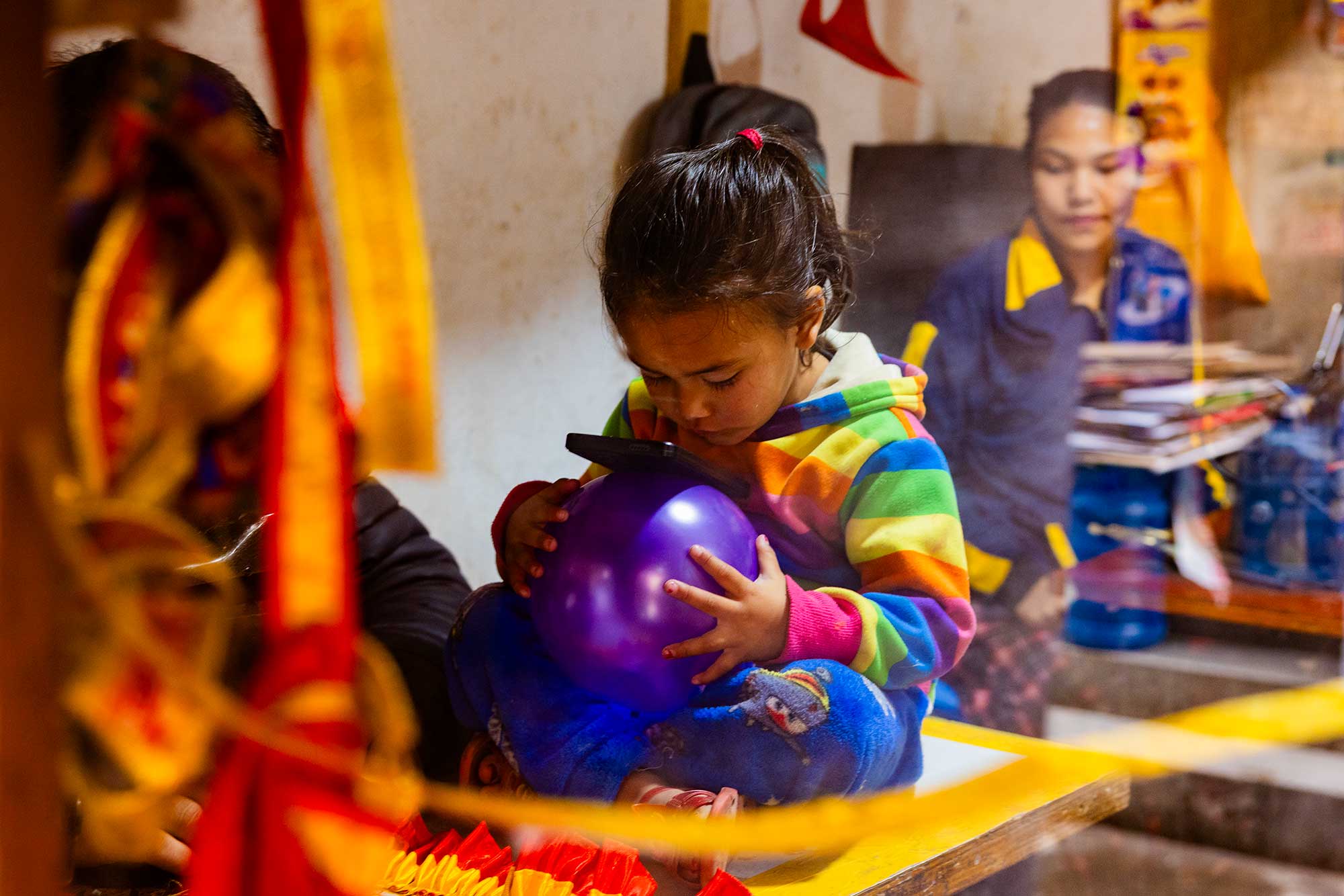
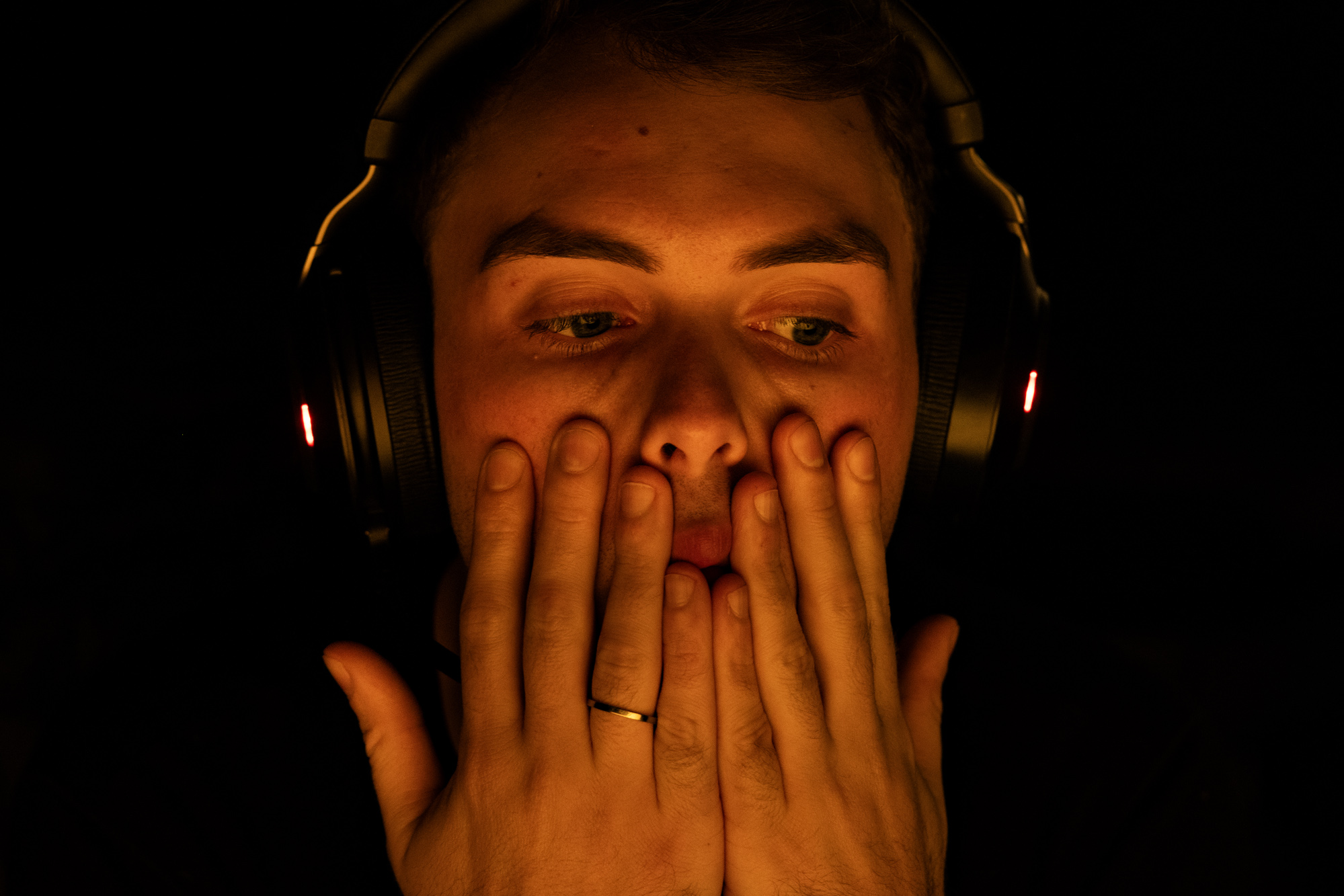
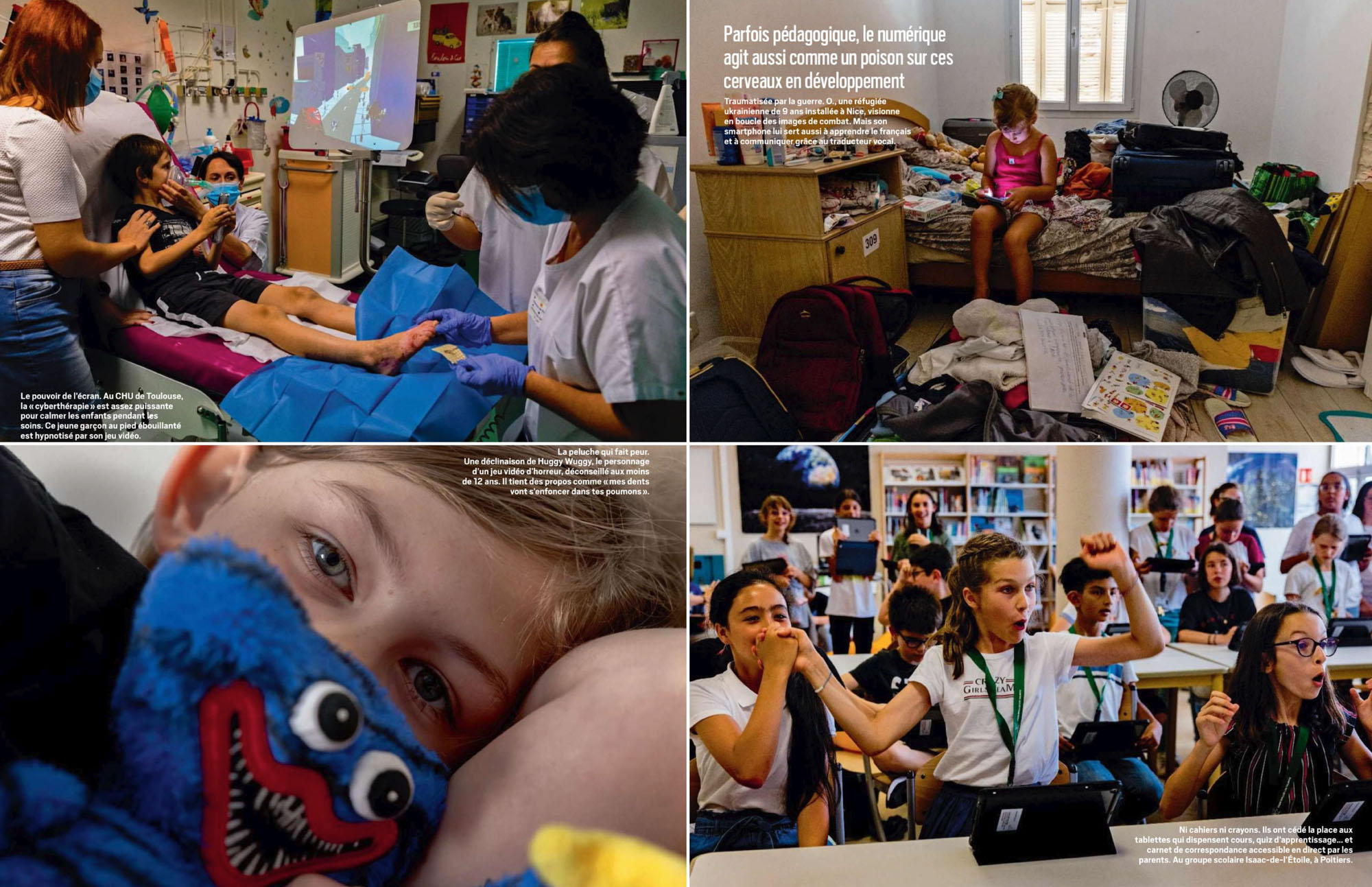
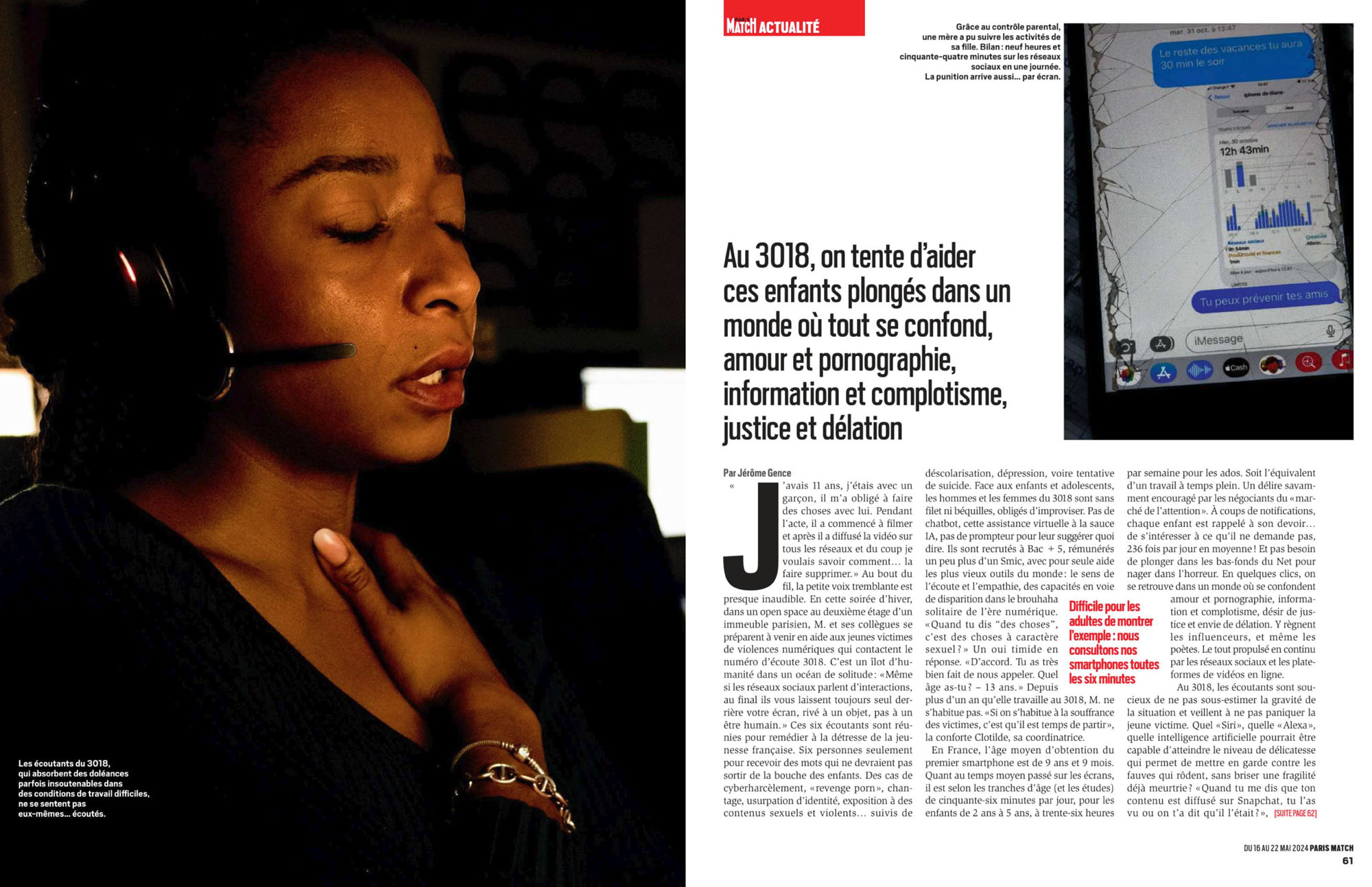
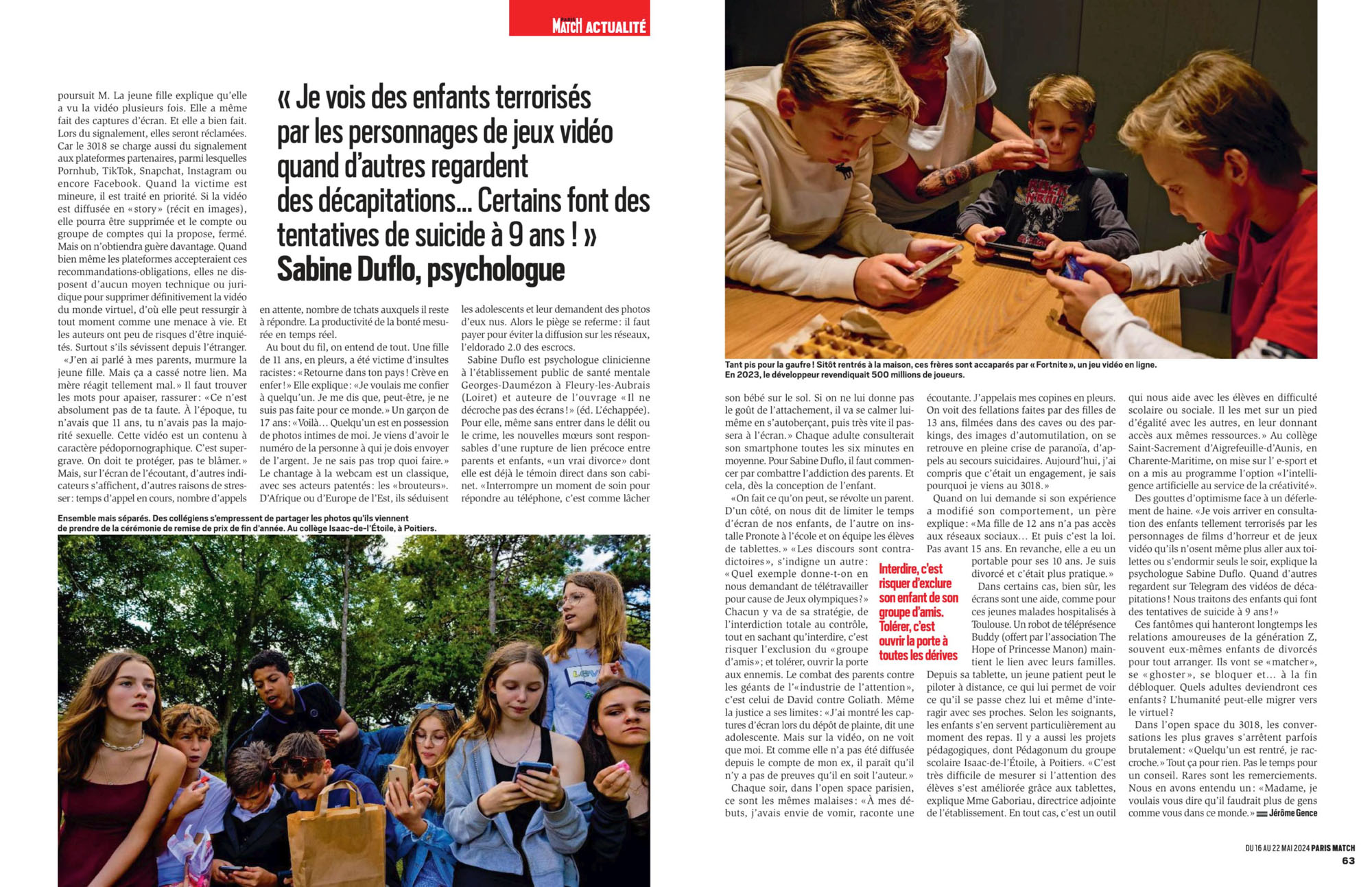
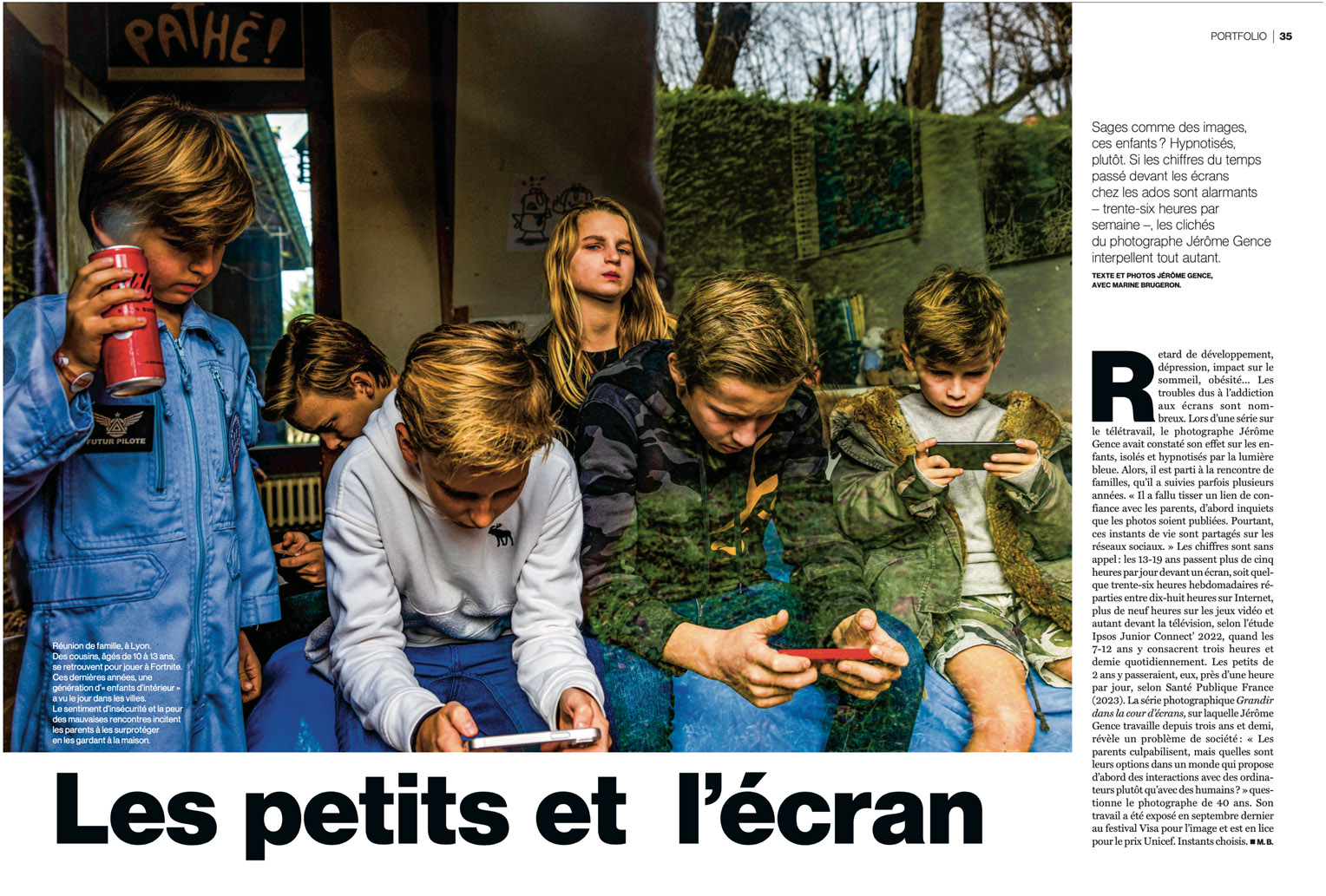
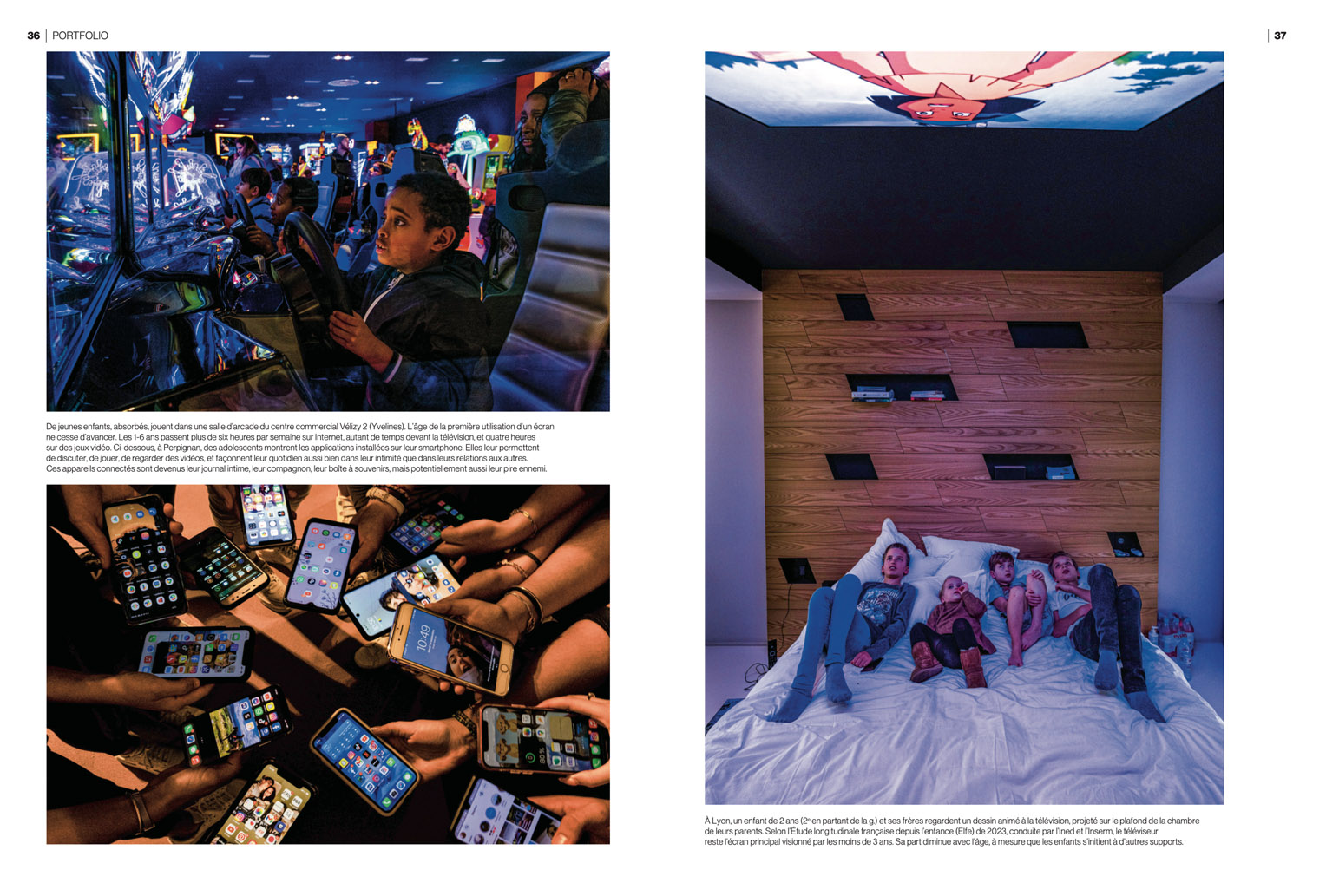
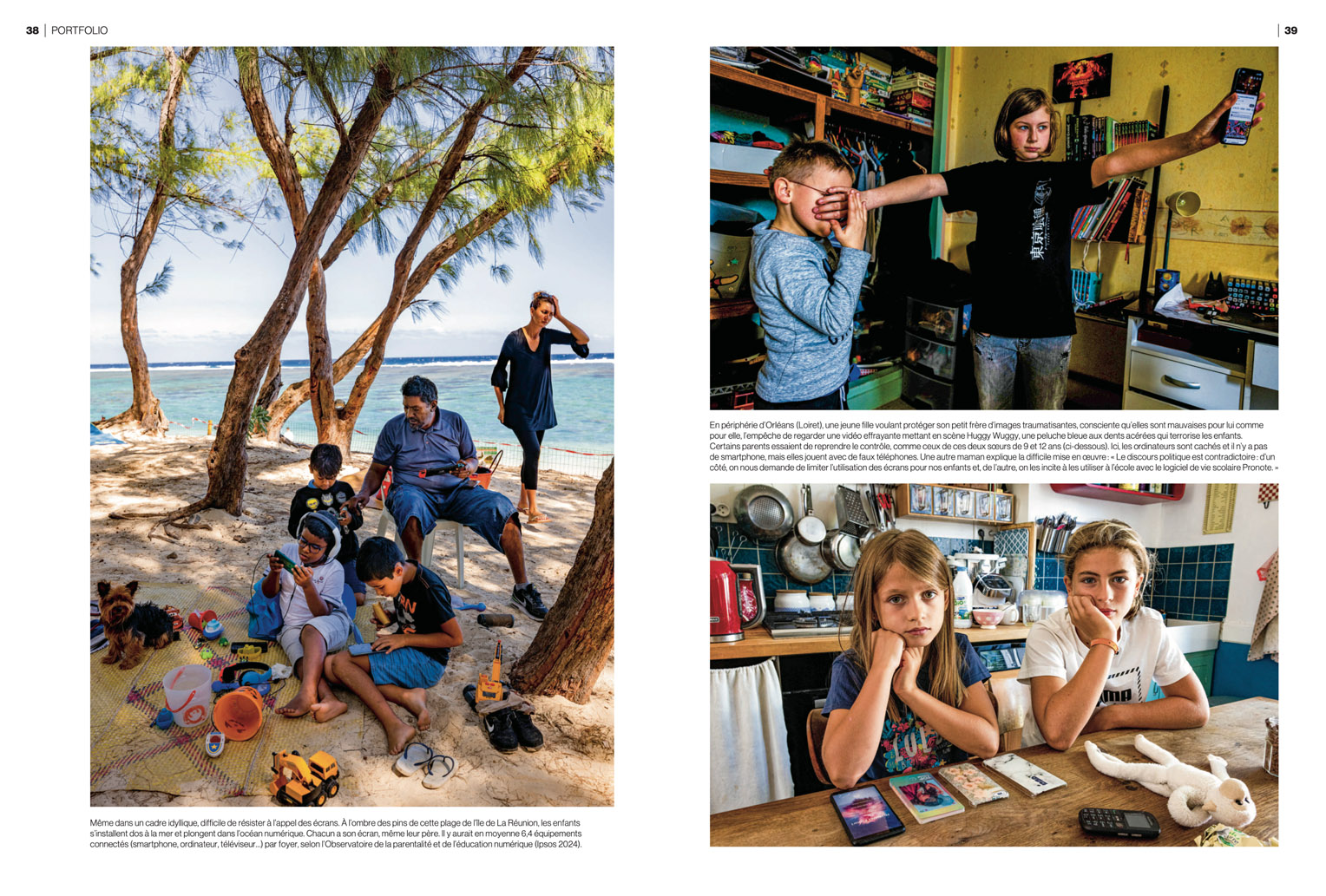
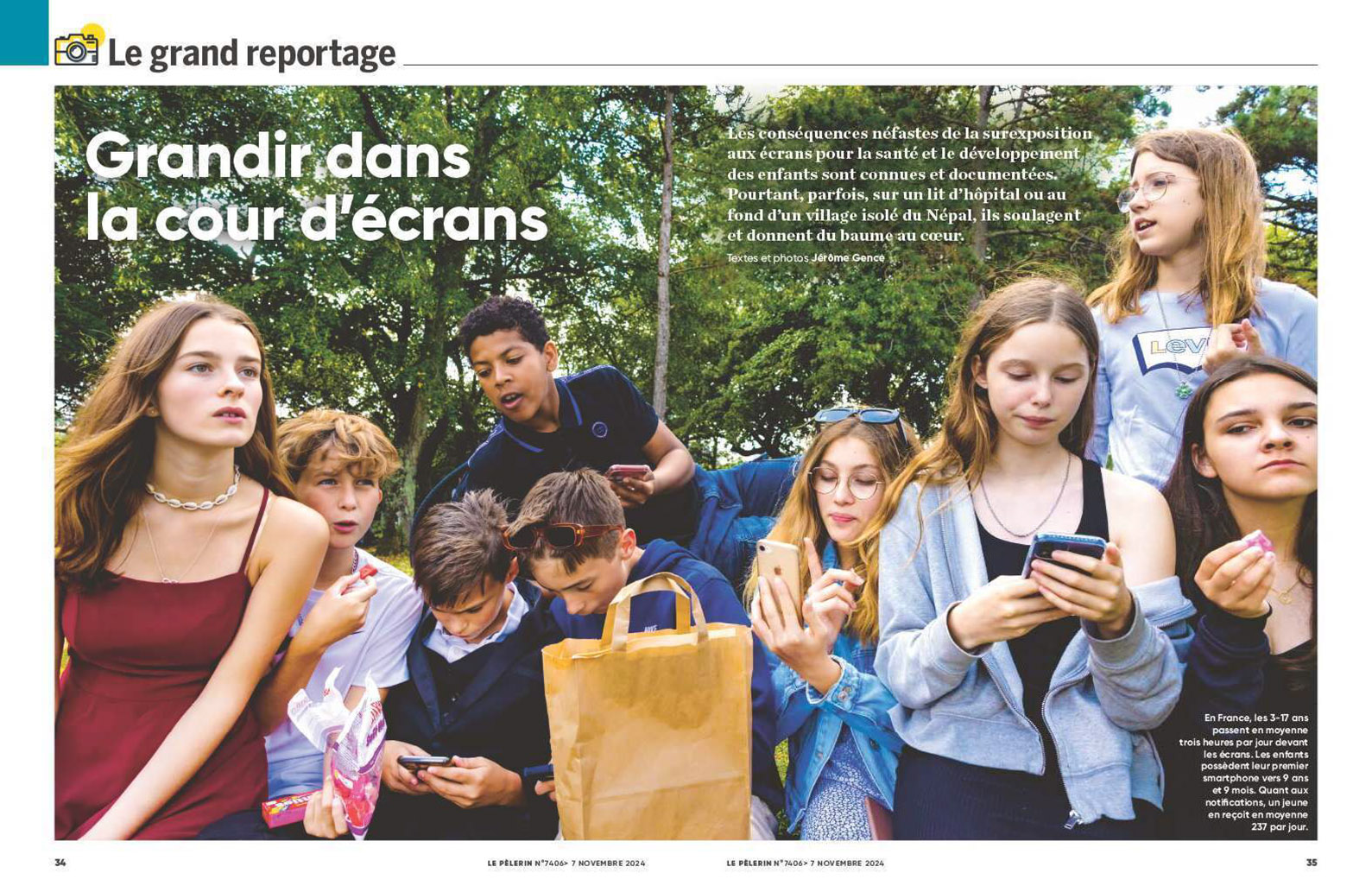
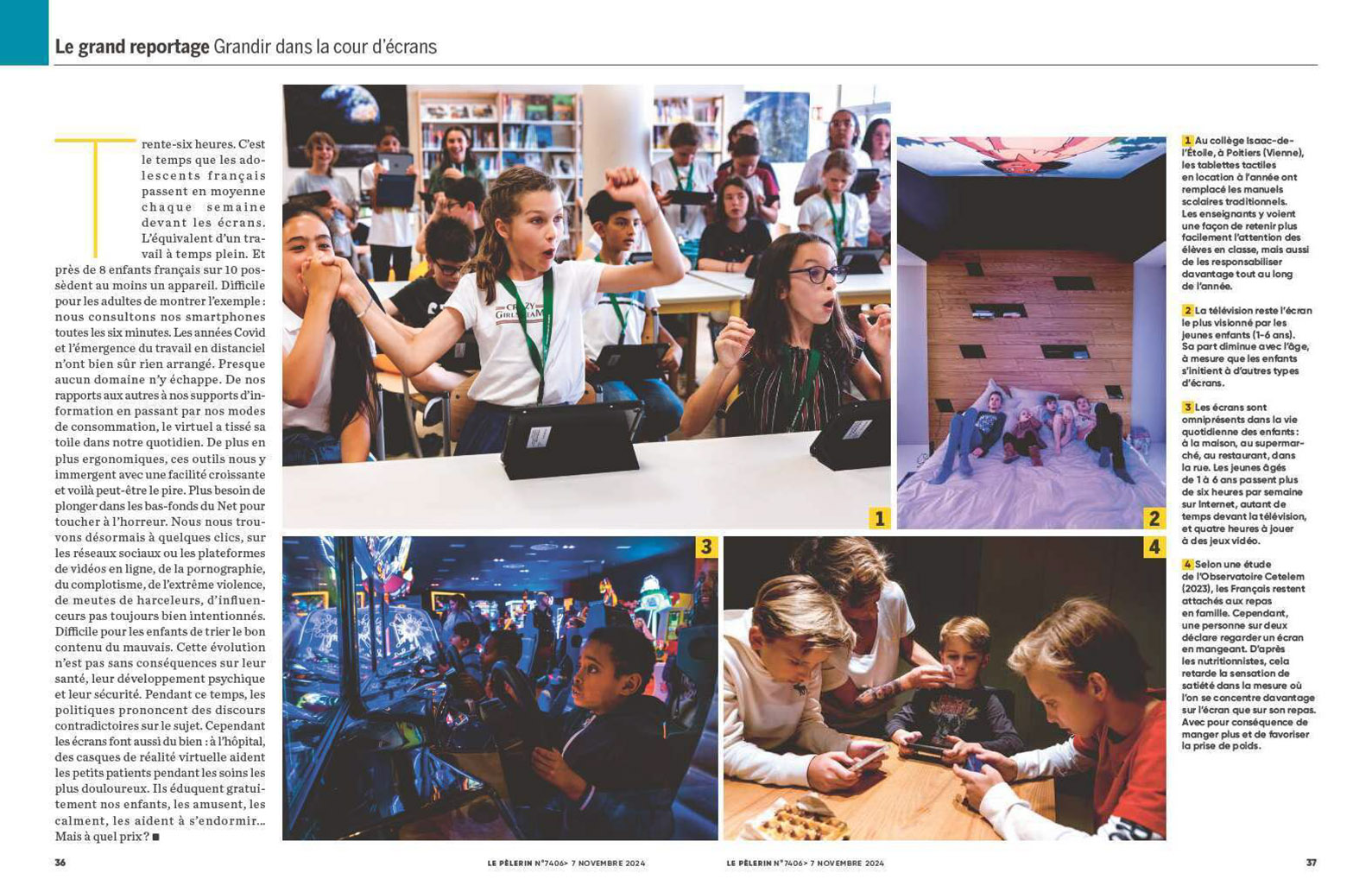
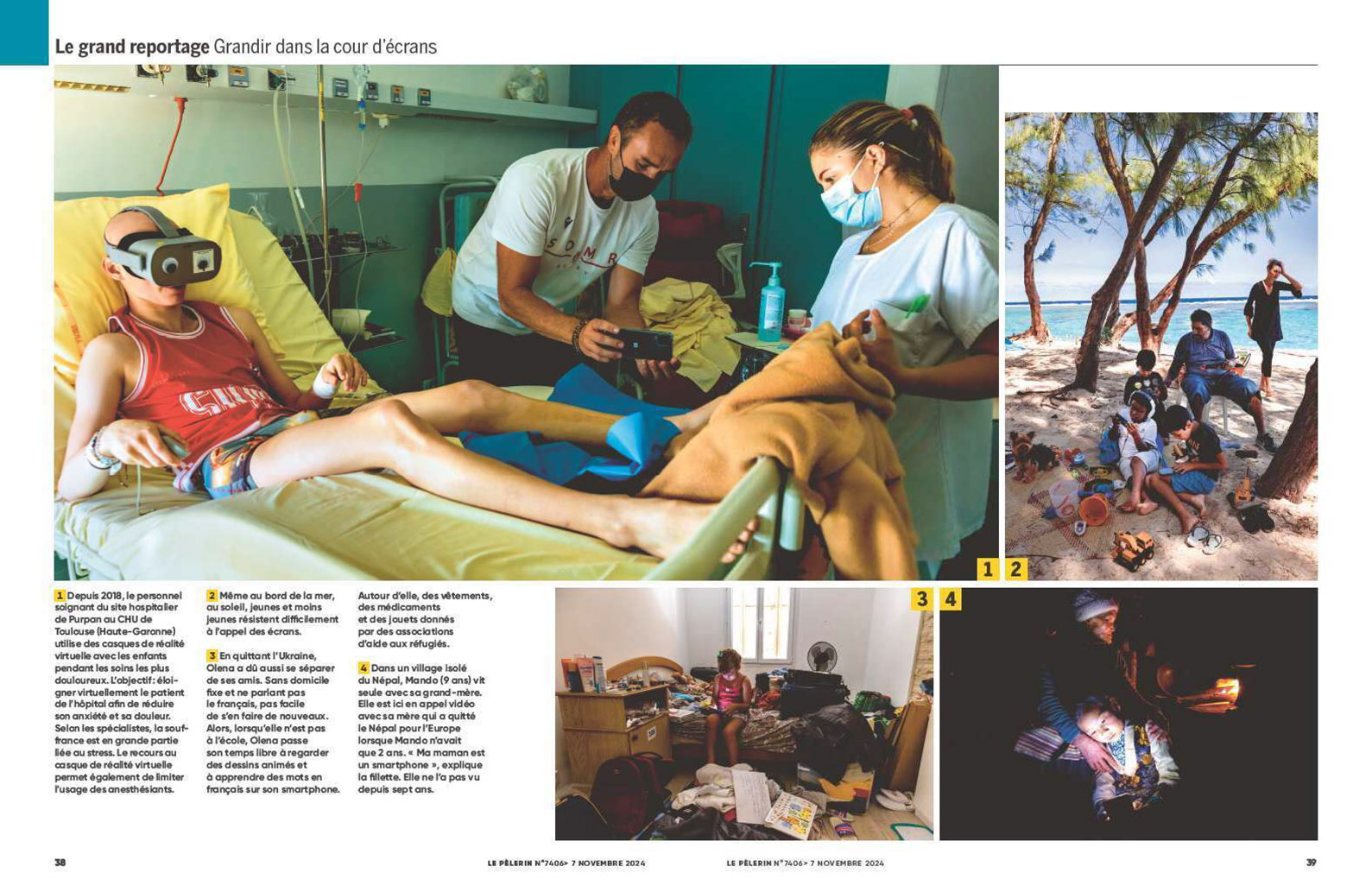
In France, teenagers now spend the equivalent of a full-time job in front of screens. This reportage explores a generation growing up between connection, addiction, education and danger, in a world where digital life has become impossible to escape.
Thirty-six hours of screen time per week: that is the average for French teenagers. It is the equivalent of a full-time job. And adults, who on average check their smartphones every six minutes, are hardly setting a better example. In France, approximately 80% of children have at least one personal digital device. In the post-pandemic world, society has become increasingly digital in every field: healthcare, finance, politics, and even education. This has brought about a small revolution in our habits, transforming our relationships, our sources of news and information, and, of course, our consumer behaviour, as digital tools have become a permanent part of everyday life. To make matters worse, it now takes little effort to venture into the inner circles of the Internet inferno and encounter tales of horror. In just a few clicks, one can enter a virtual world where love and pornography sit side by side, as do news stories and conspiracy theories, justice and injustice, poets and influencers. Behind it all, acting as a constant driving force, are social media platforms, video-sharing services, and online games. In France, the consequences for the younger generation are increasingly being reported: effects on health, mental development, and safety, as well as threats such as cyberbullying and the risk of contact with dangerous individuals. While digital technology, apps, and screens can educate, entertain, and distract children, one question remains: what price must be paid?
Publications
Interviews
Iranian Freedom Tourism in Armenia
Iranian Freedom Tourism in Armenia
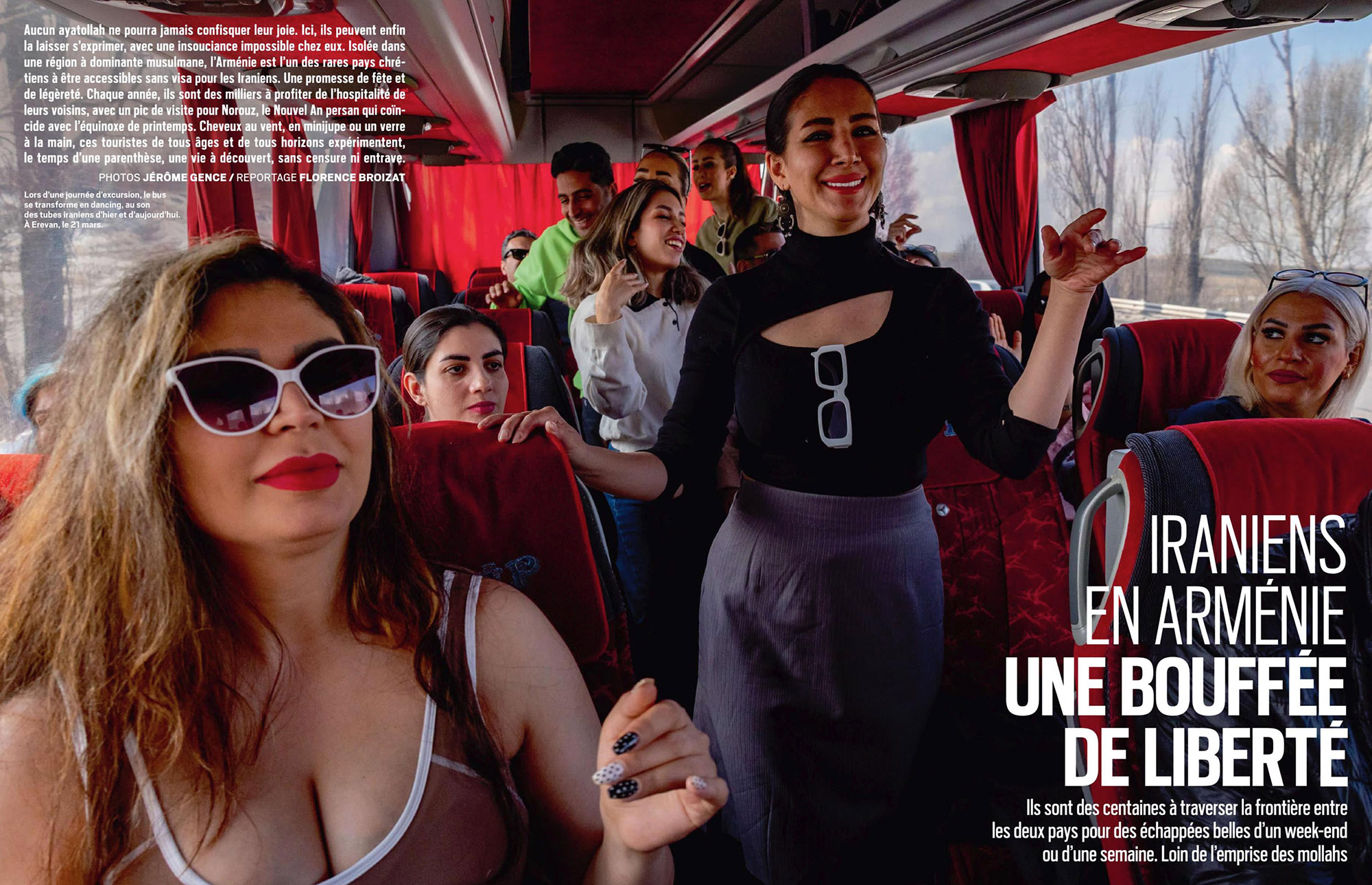
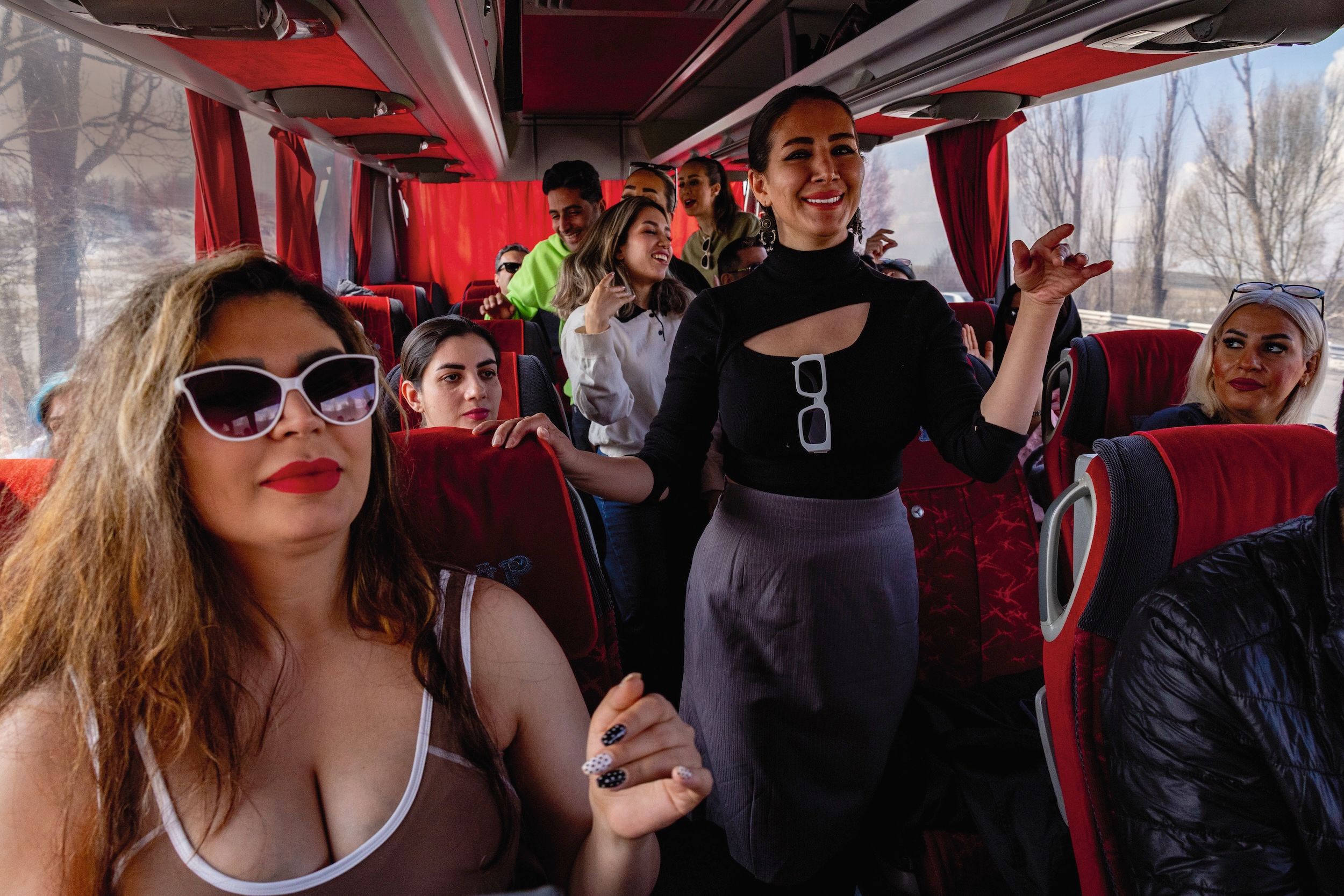
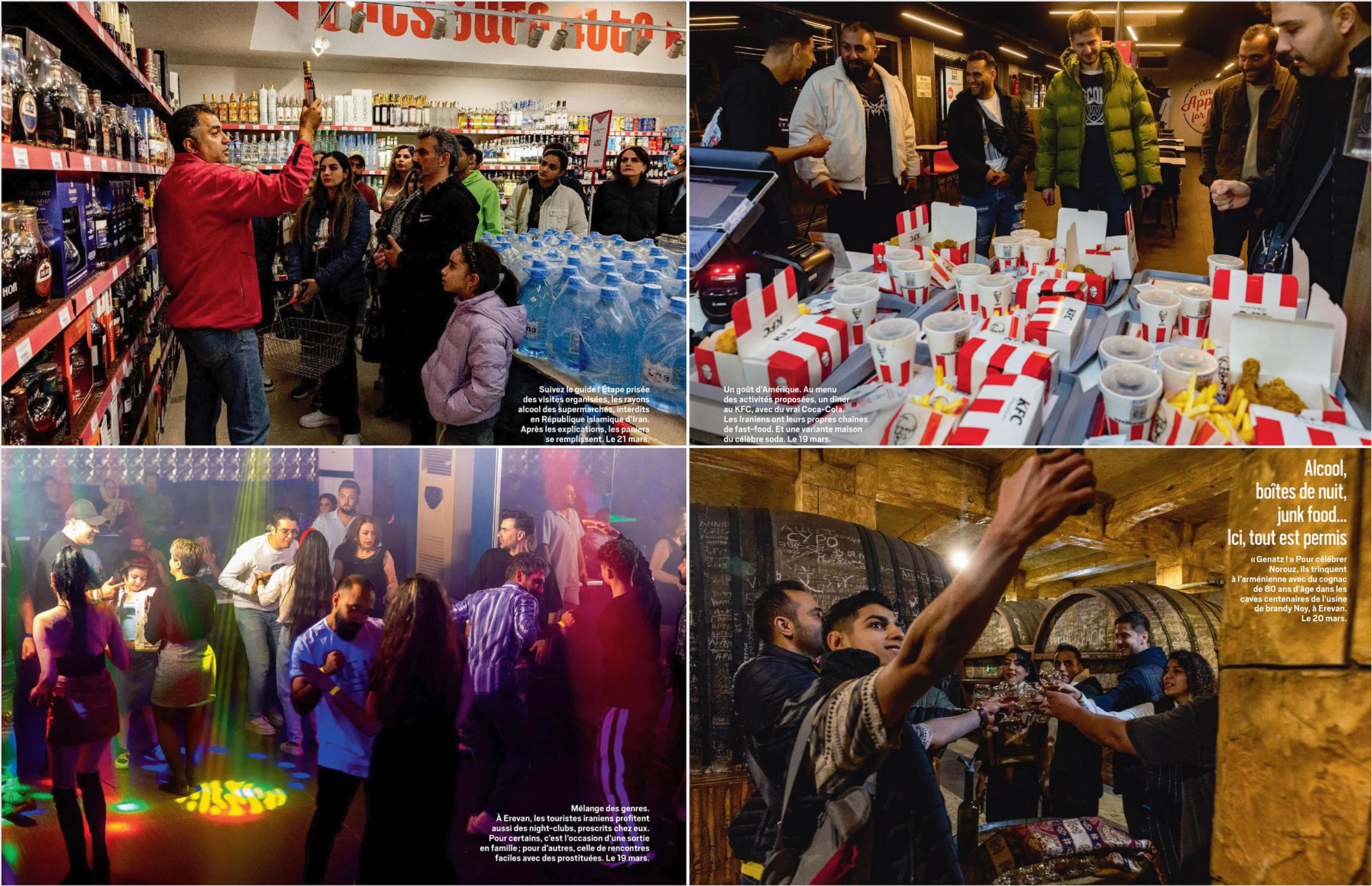
Every weekend, hundreds of Iranians cross the border into Armenia in search of a few days of freedom. Far from the grip of the mullahs, this reportage follows their brief escape into a world of alcohol, nightlife, music and possibility.
Just a few hours from Tehran, Yerevan becomes a temporary refuge, a place where they can drink, dance, go out, dress freely, and breathe far from the watchful eye of the regime. On buses, in wine cellars, supermarkets, nightclubs, and monasteries, these travellers are seeking much more than a simple weekend getaway: they are looking for a brief taste of freedom. Between celebration, transgression, and nostalgia for a life taken from them, this reportage tells the story of those fragile moments when, far from the grip of the mullahs, everything finally seems possible.

Publication
Kolkata: The Guardian Angel of the Slums
Kolkata: The Guardian Angel of the Slums
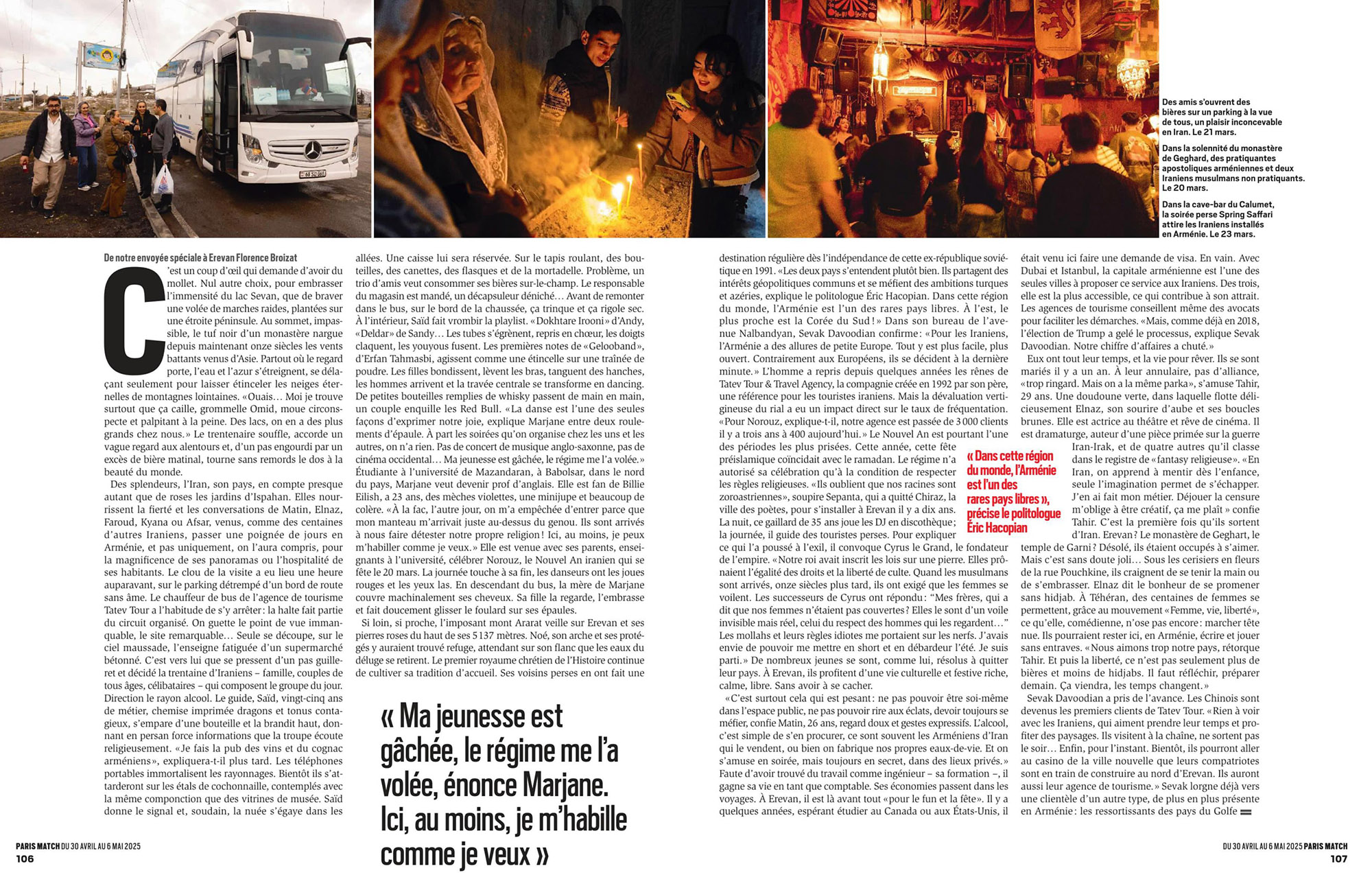
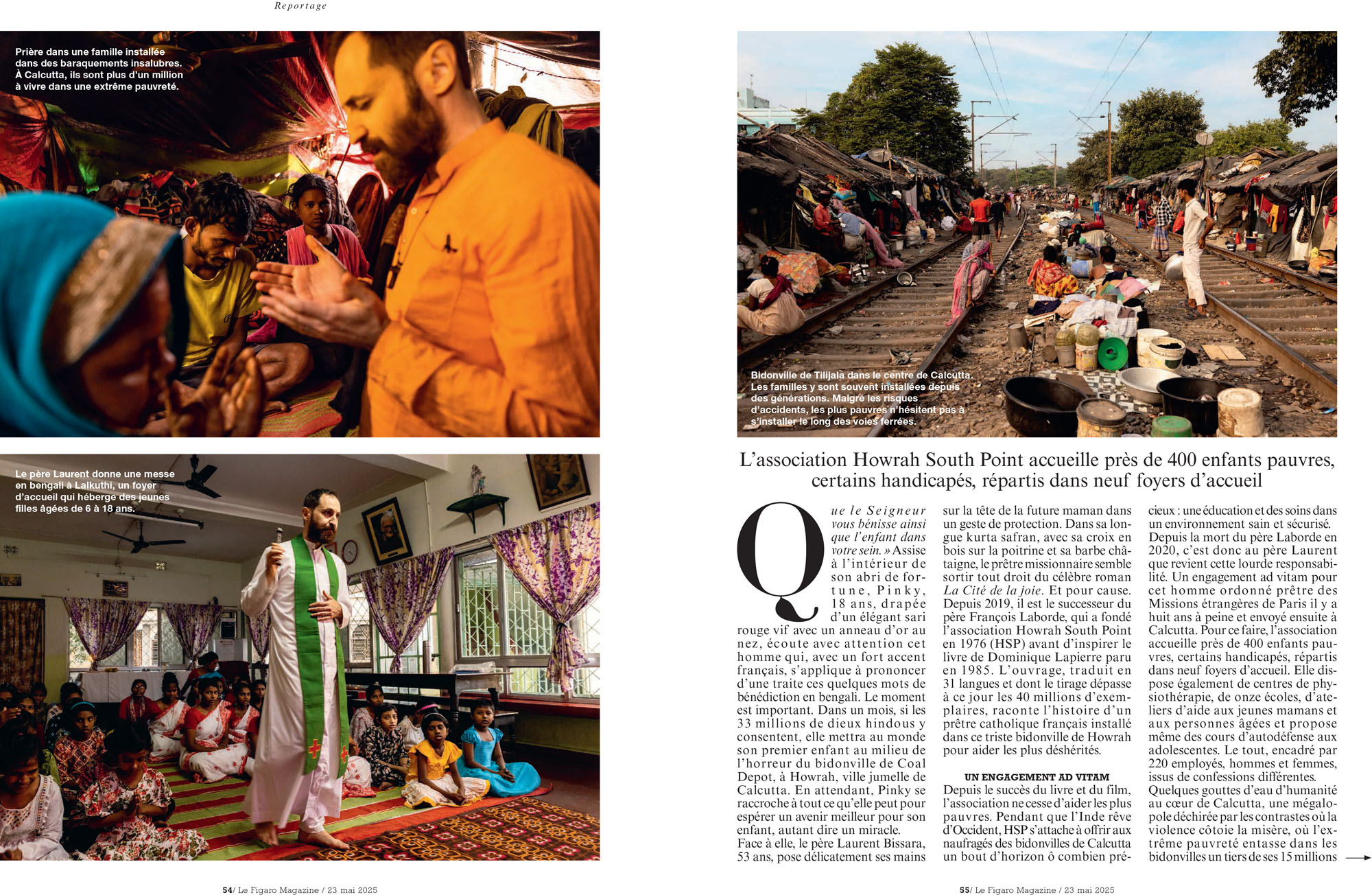
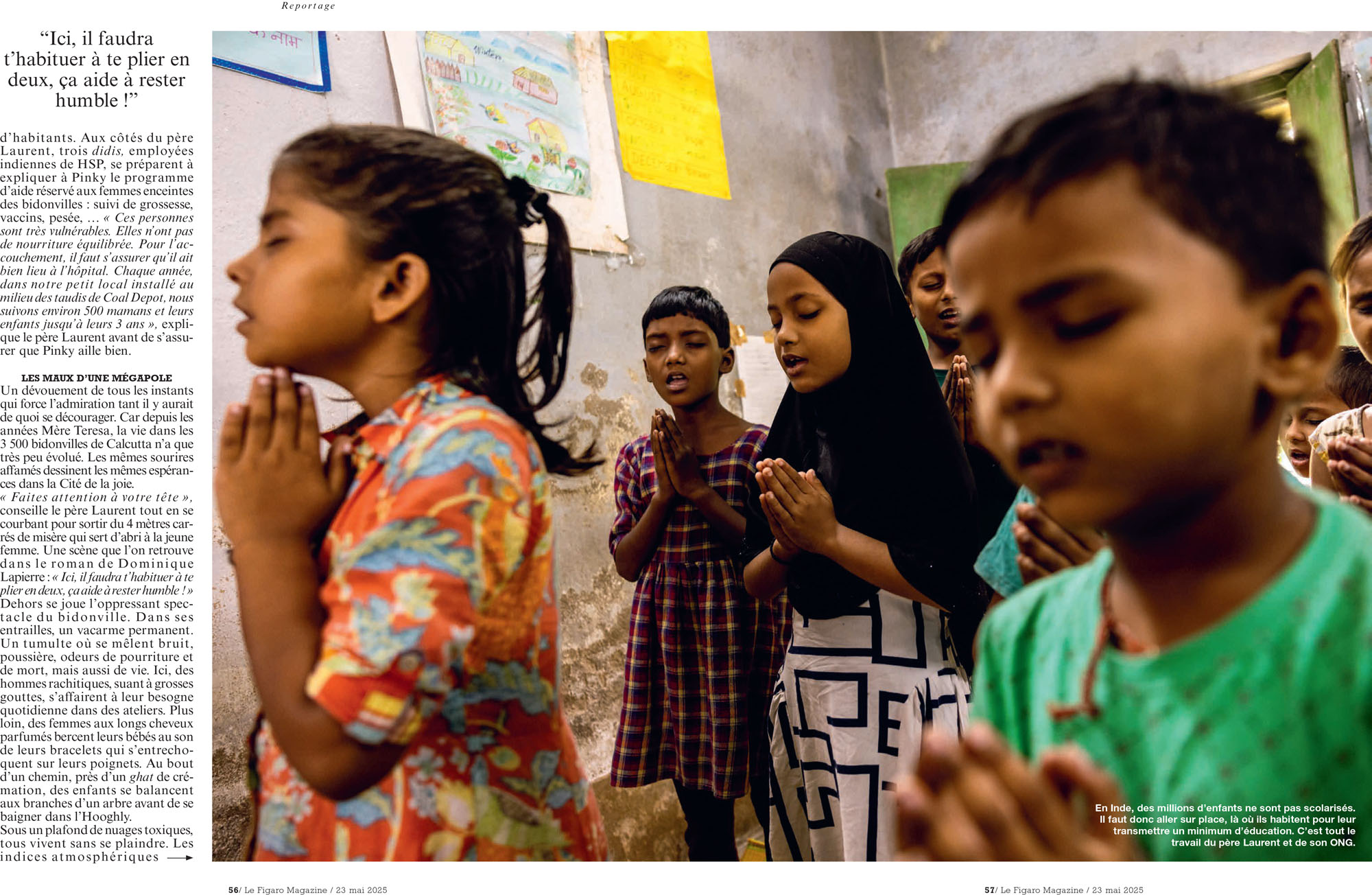
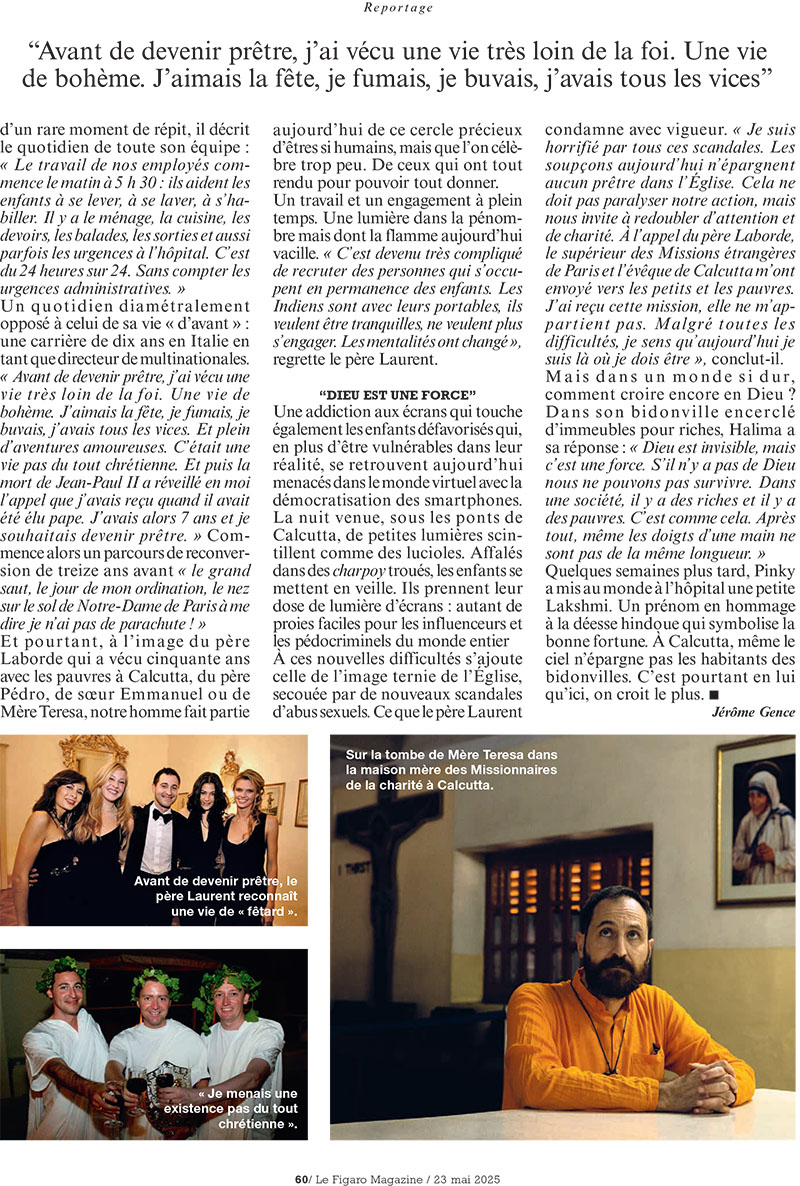
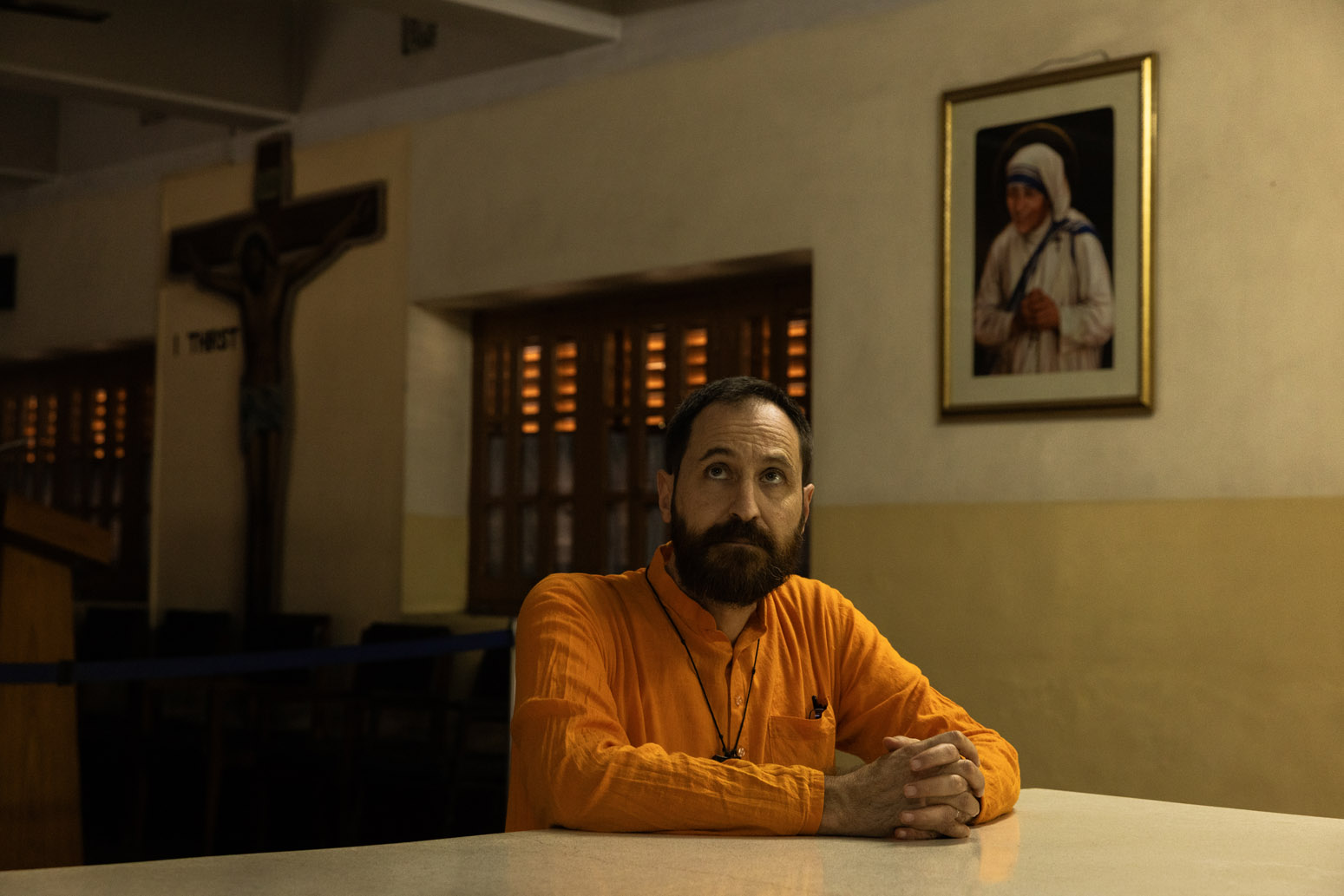
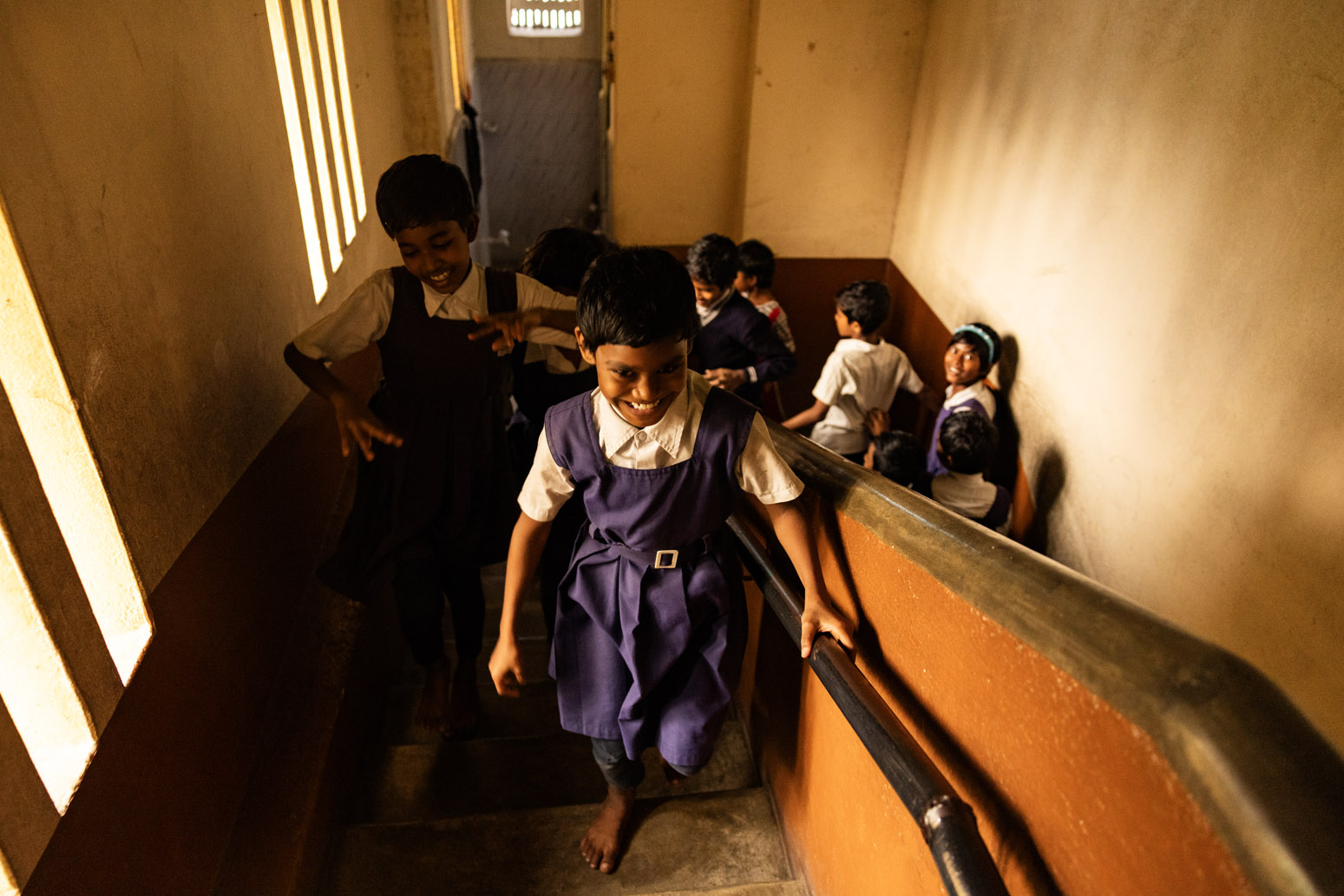
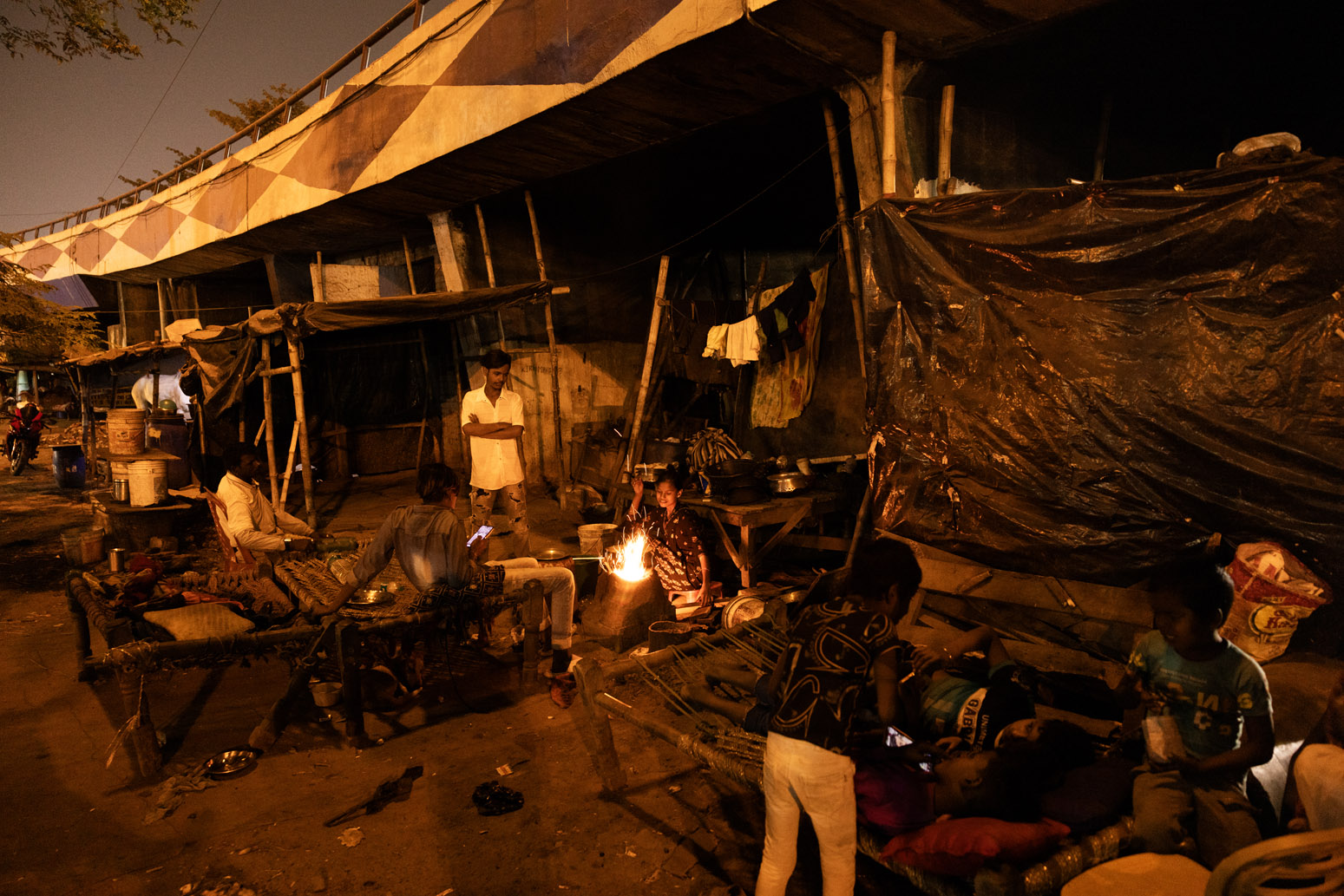
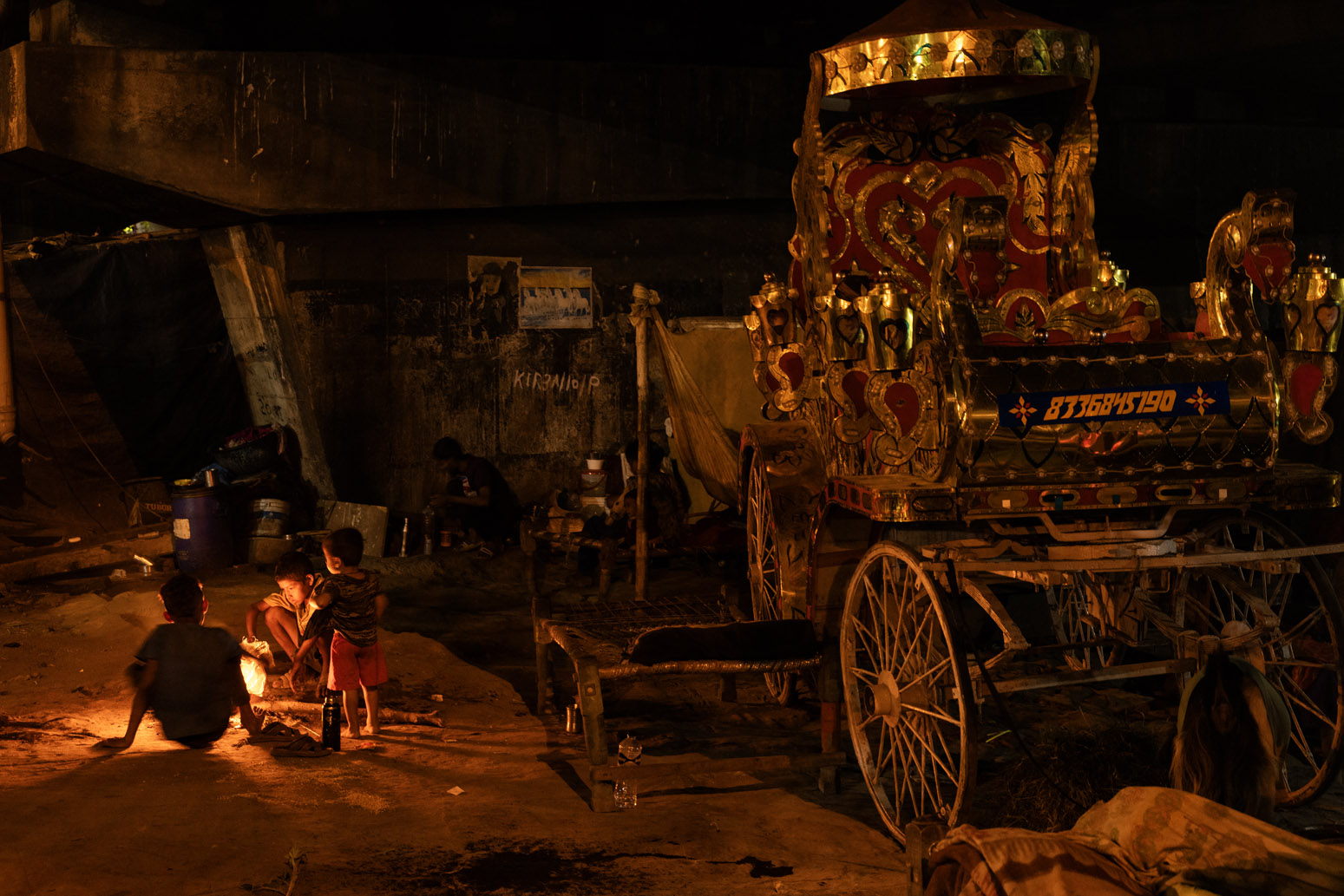
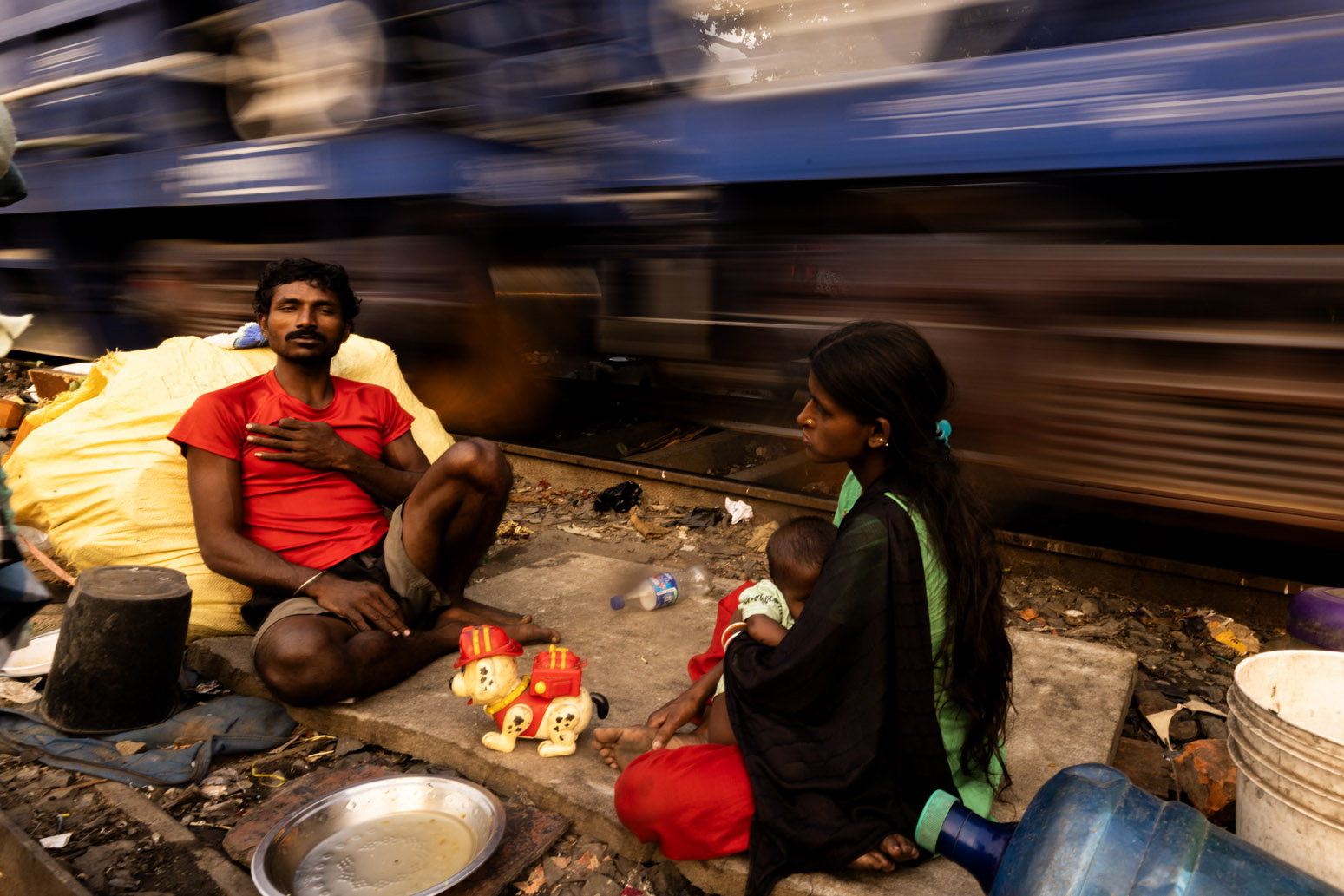
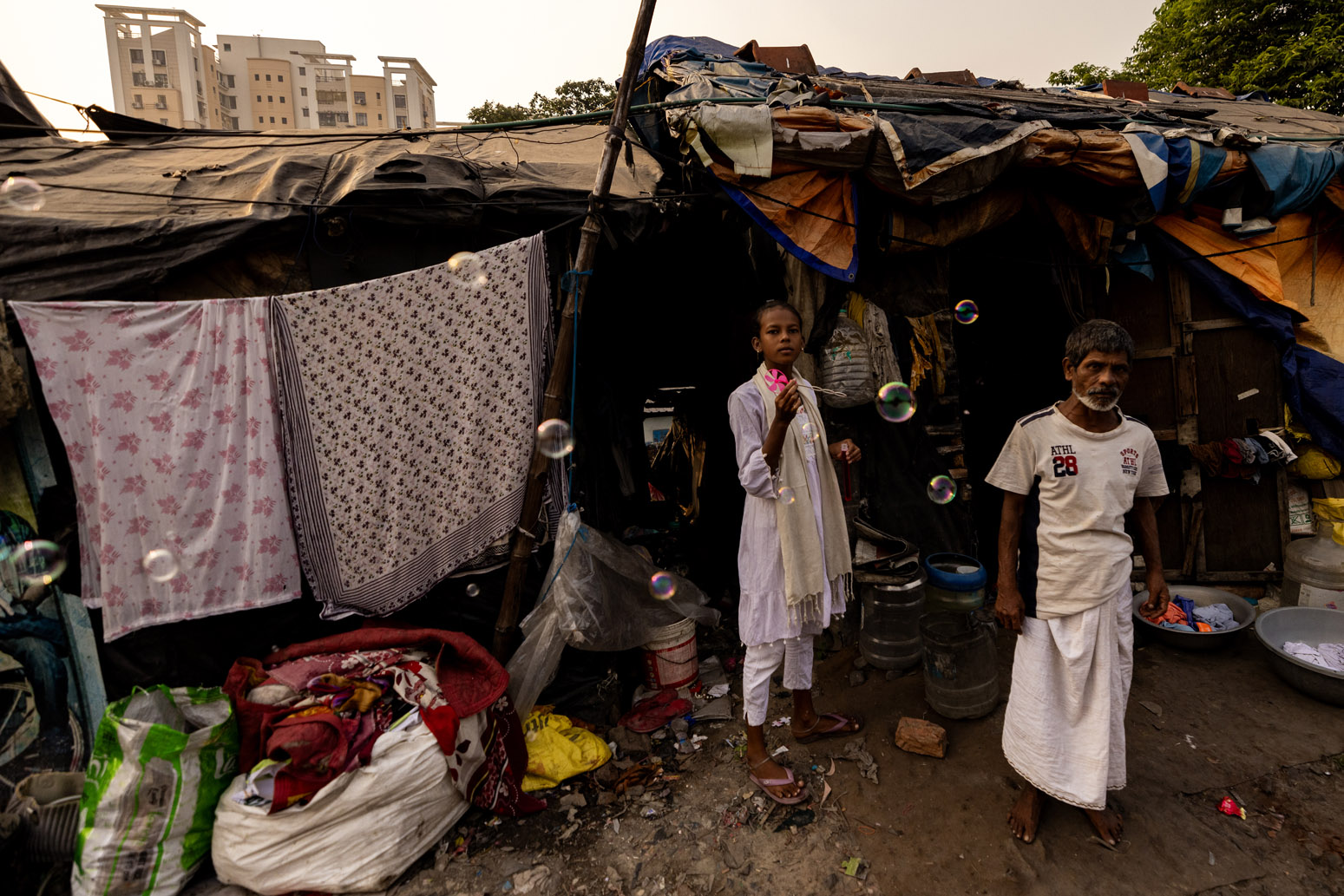
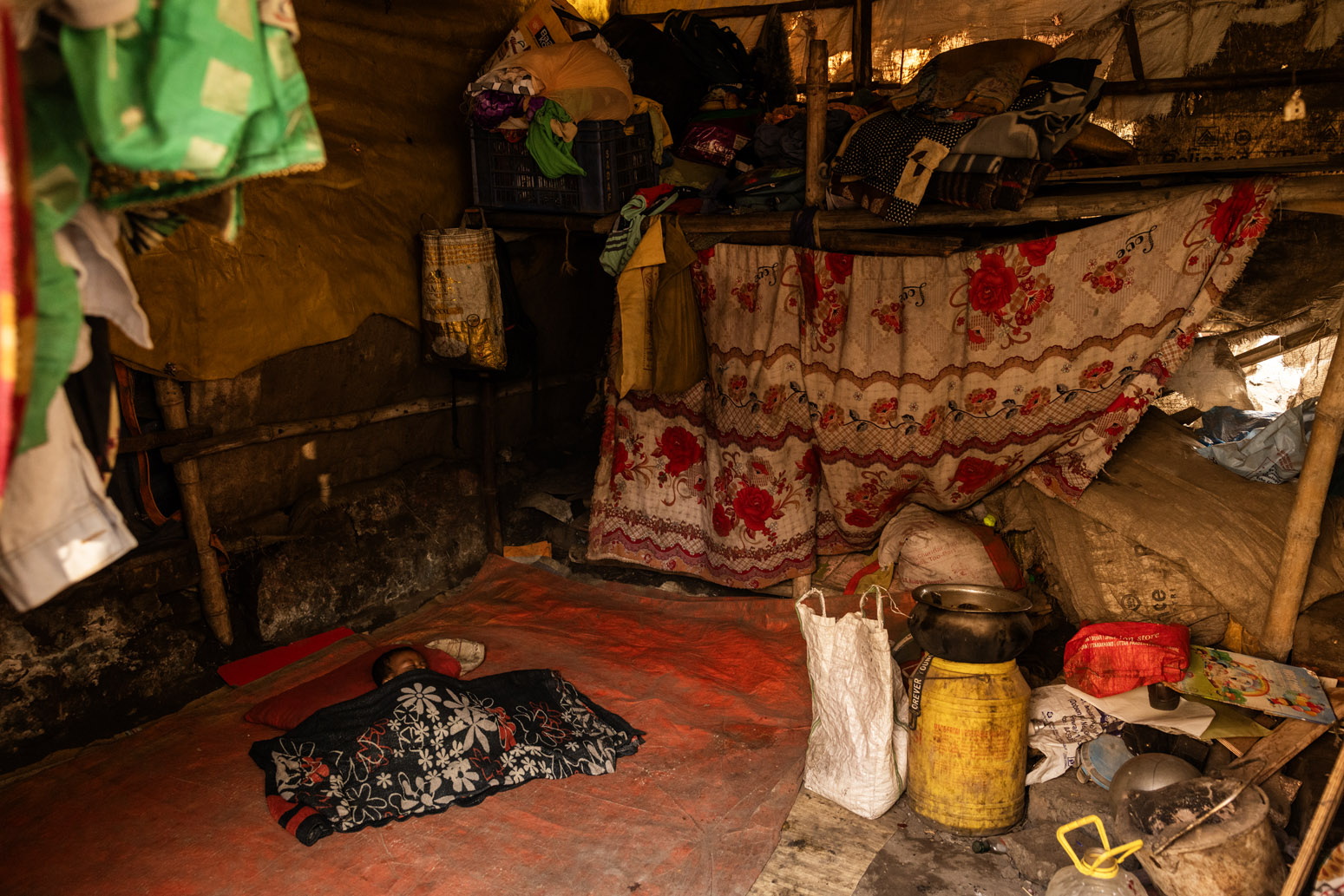
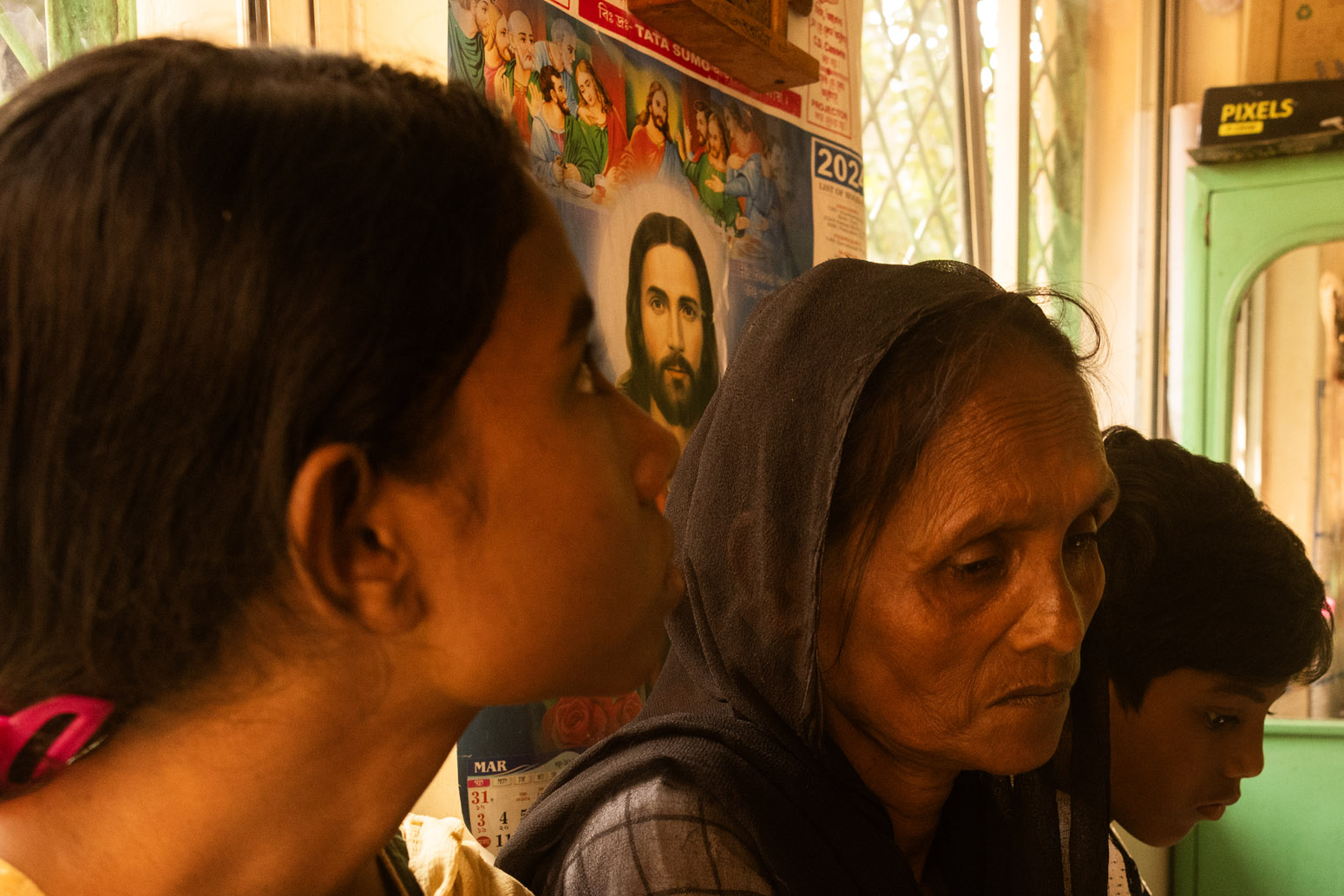
In this overcrowded Indian city marked by extreme poverty, the story of Father François Laborde, who devoted his life to serving the most destitute, moved the hearts of the French people forty years ago.
Dominique Lapierre was inspired by it to write his novel City of Joy. Today, Father Laurent has succeeded him.
A missionary, a messenger of hope, in the spirit of the new pope, Leo XIV.
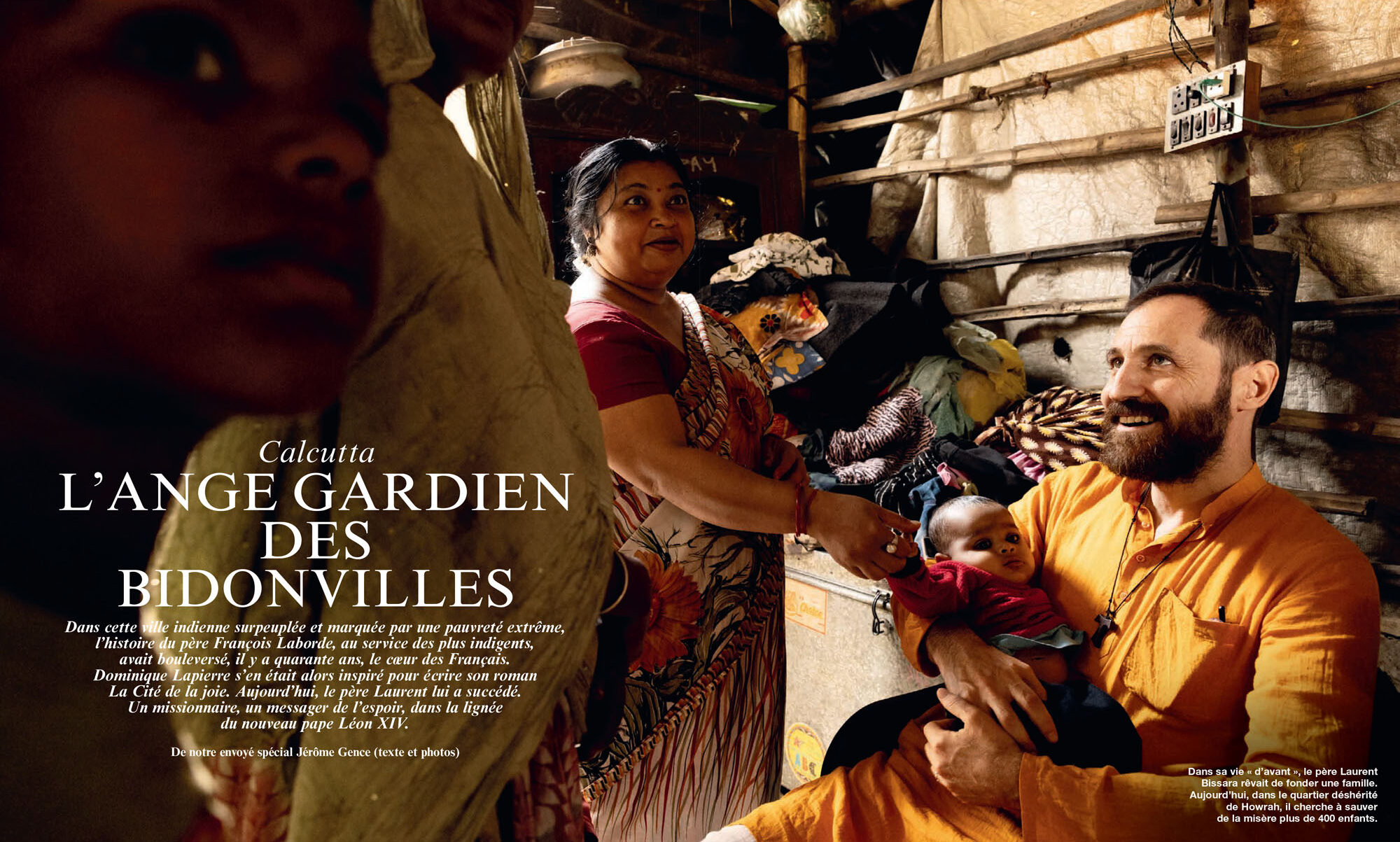
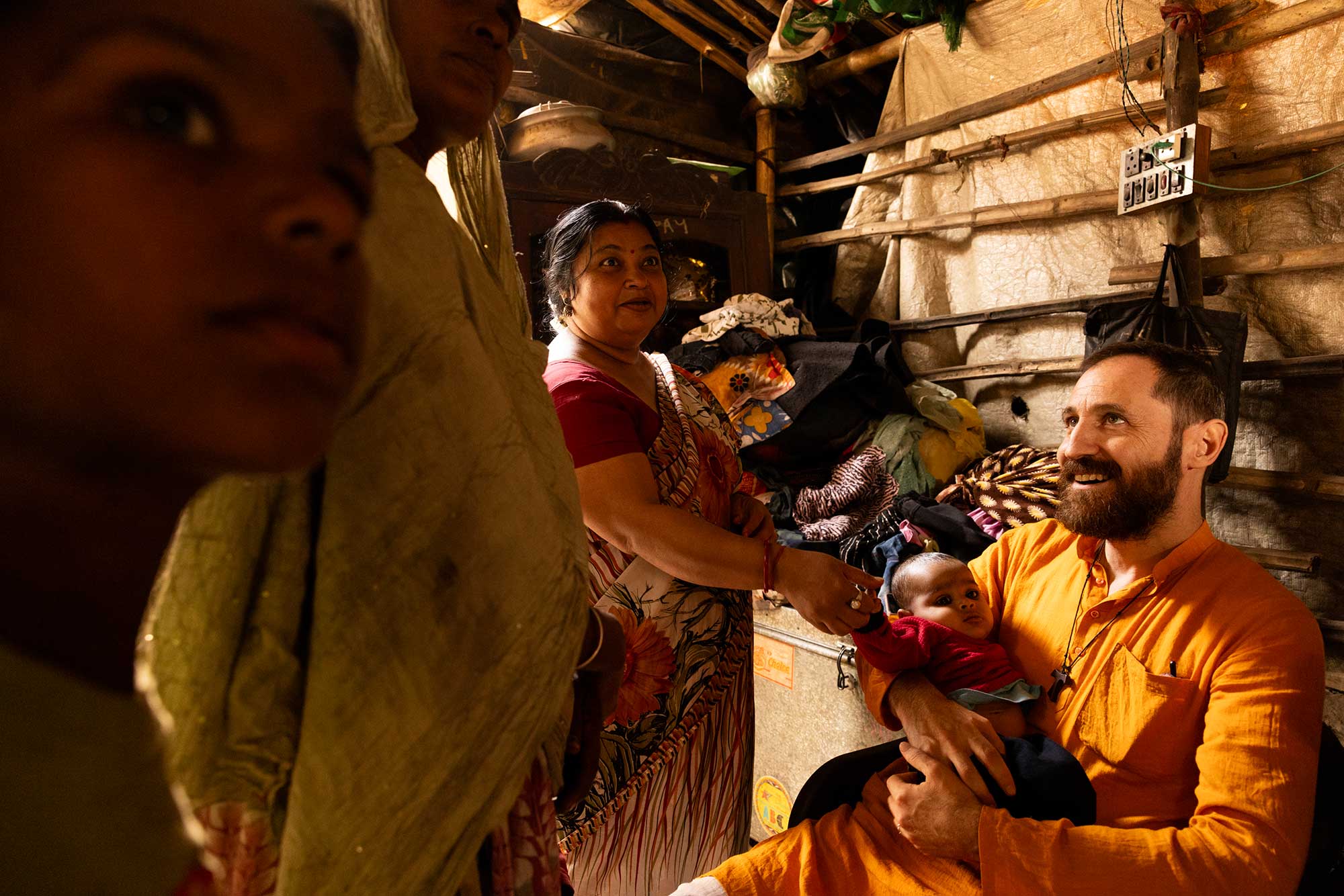
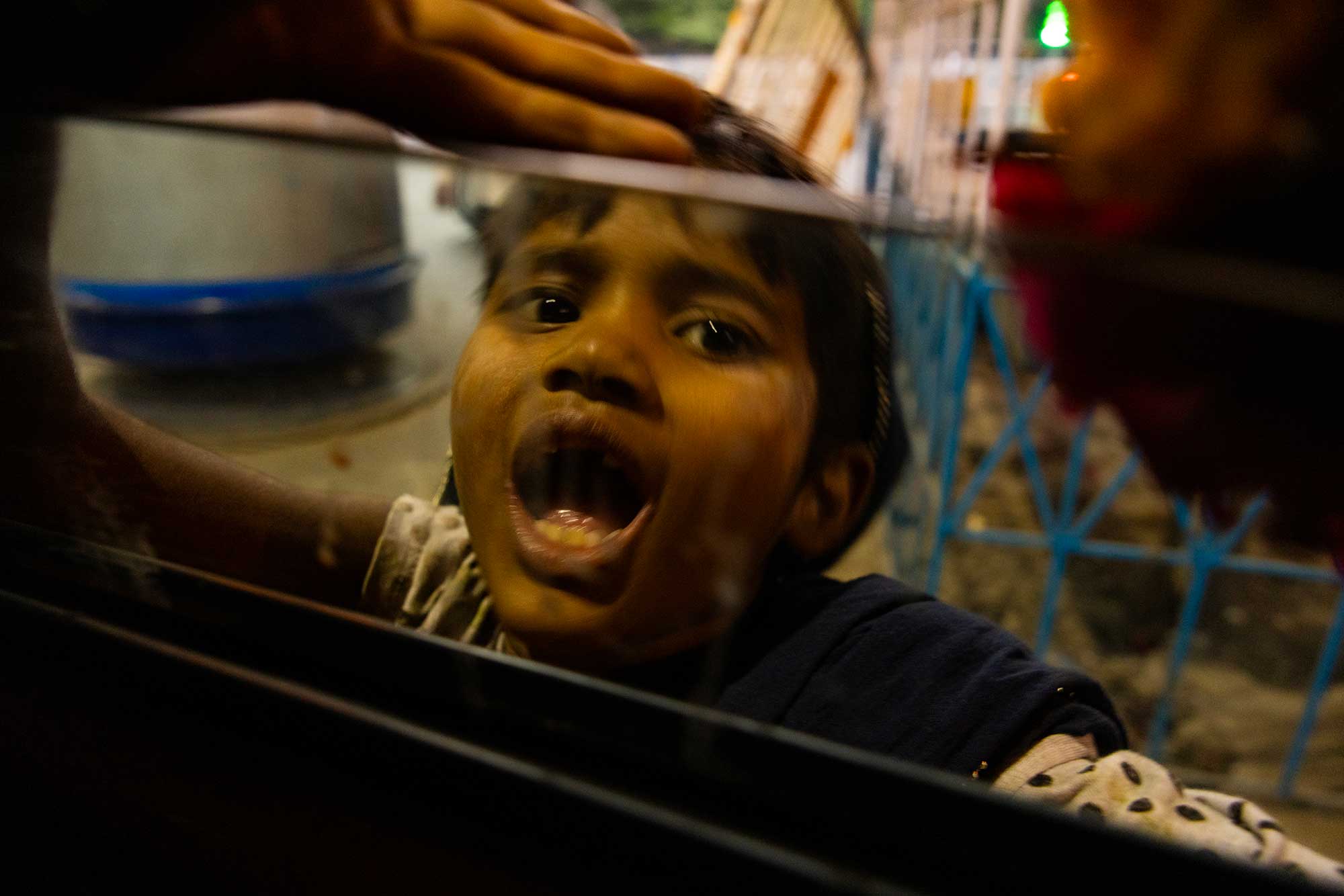
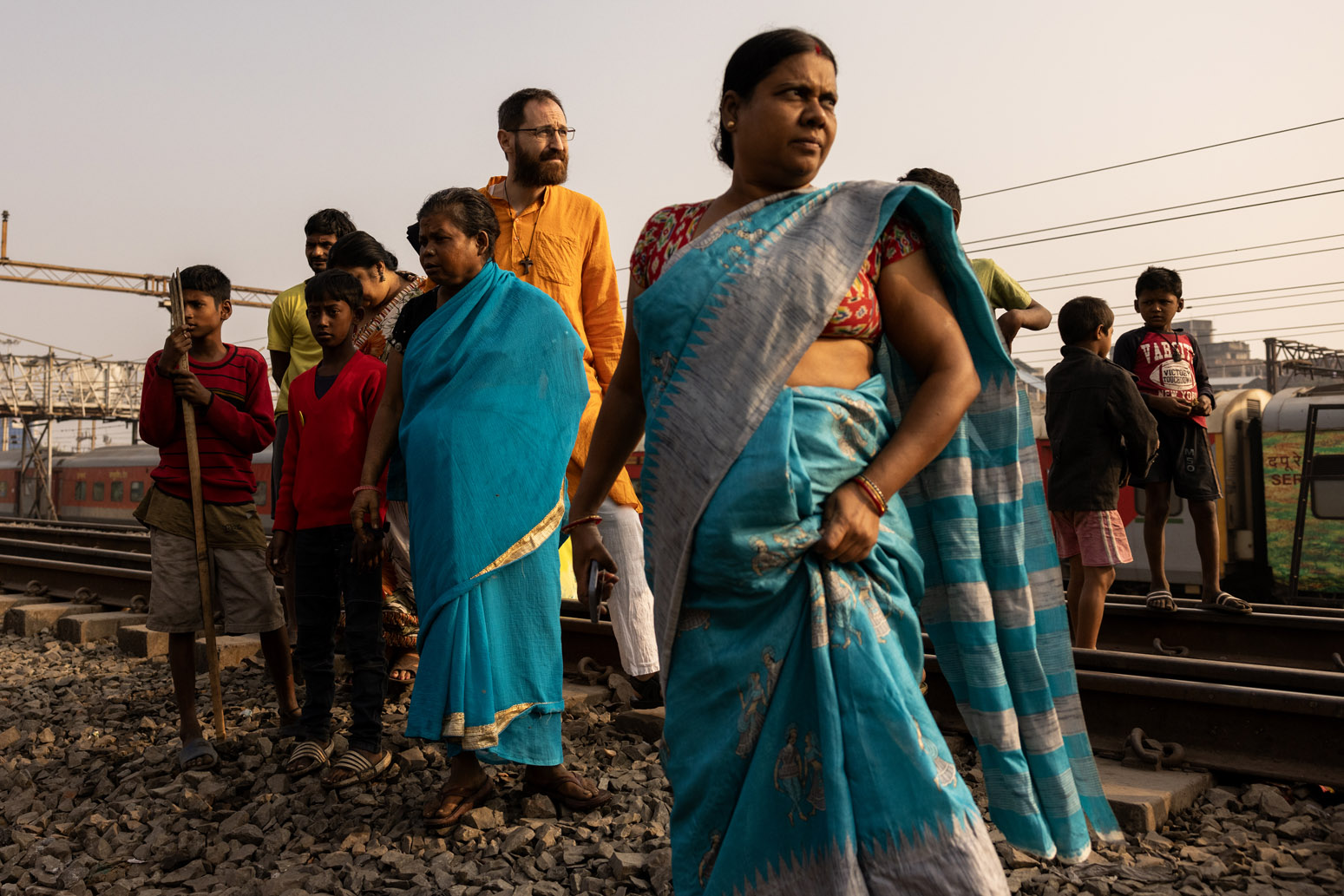
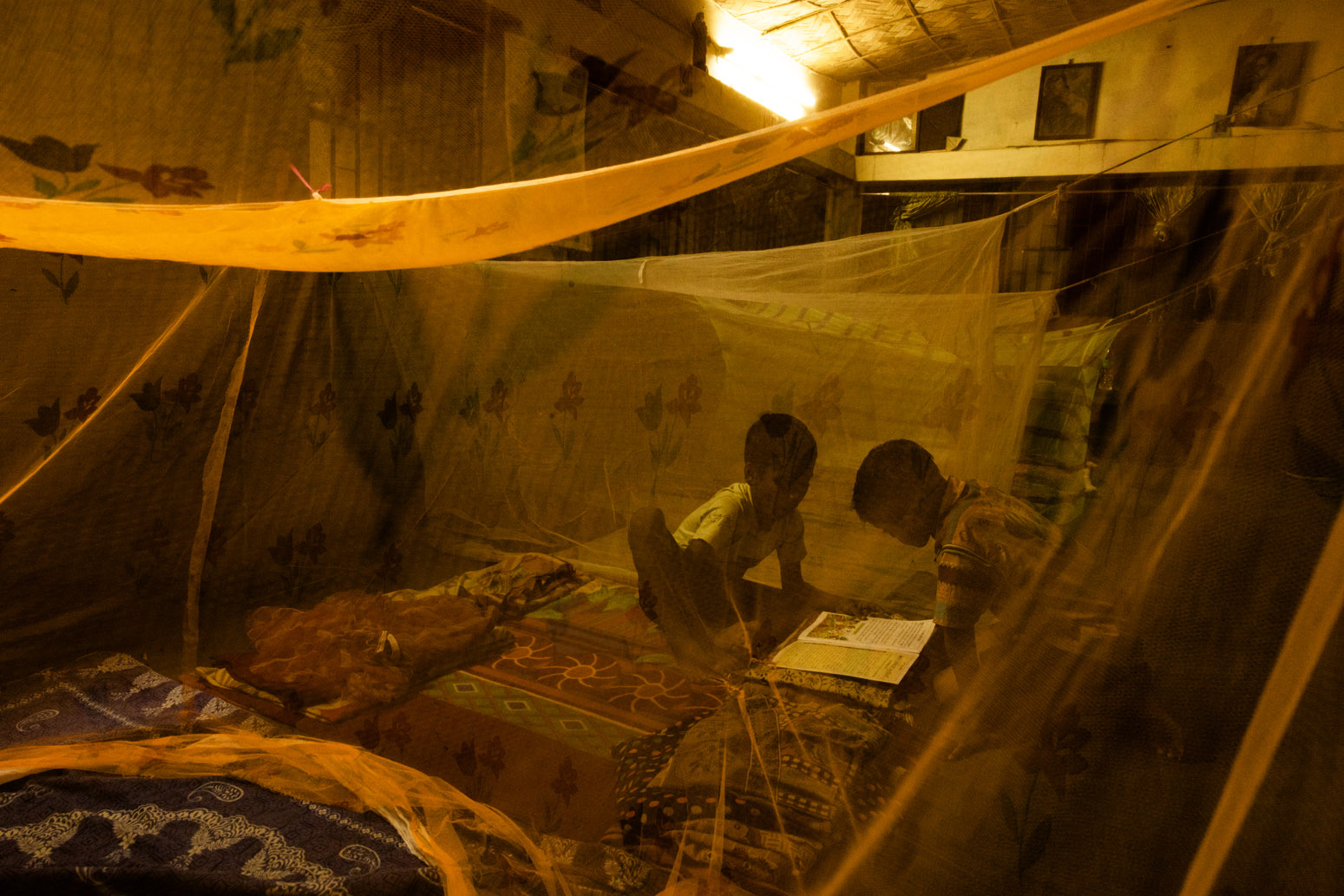
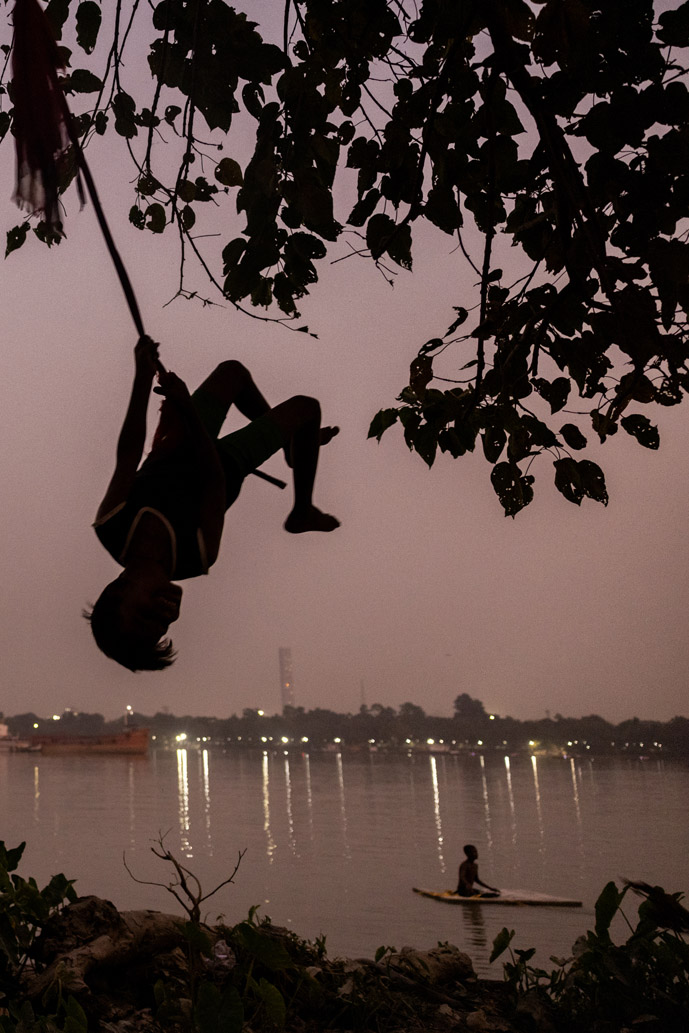
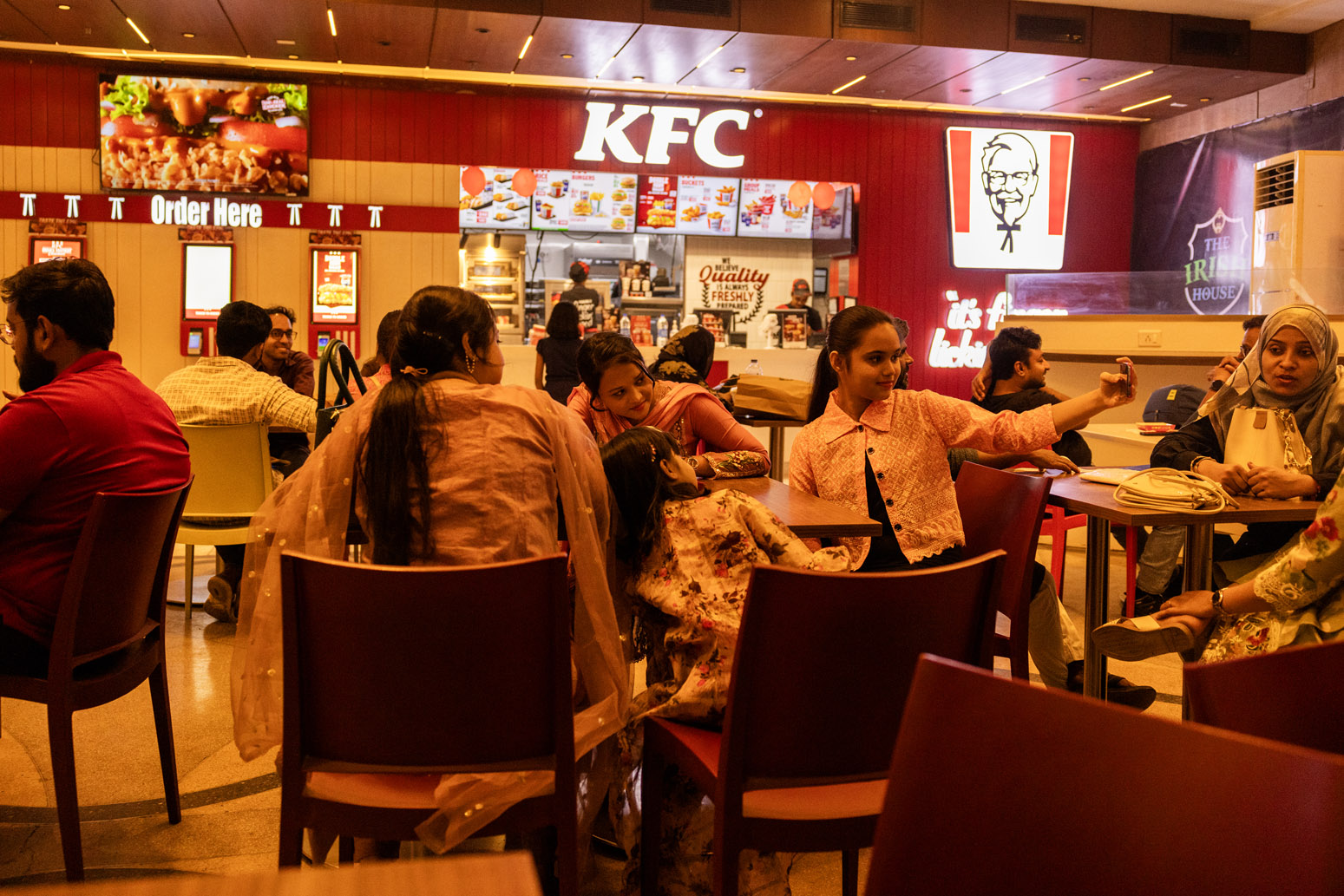
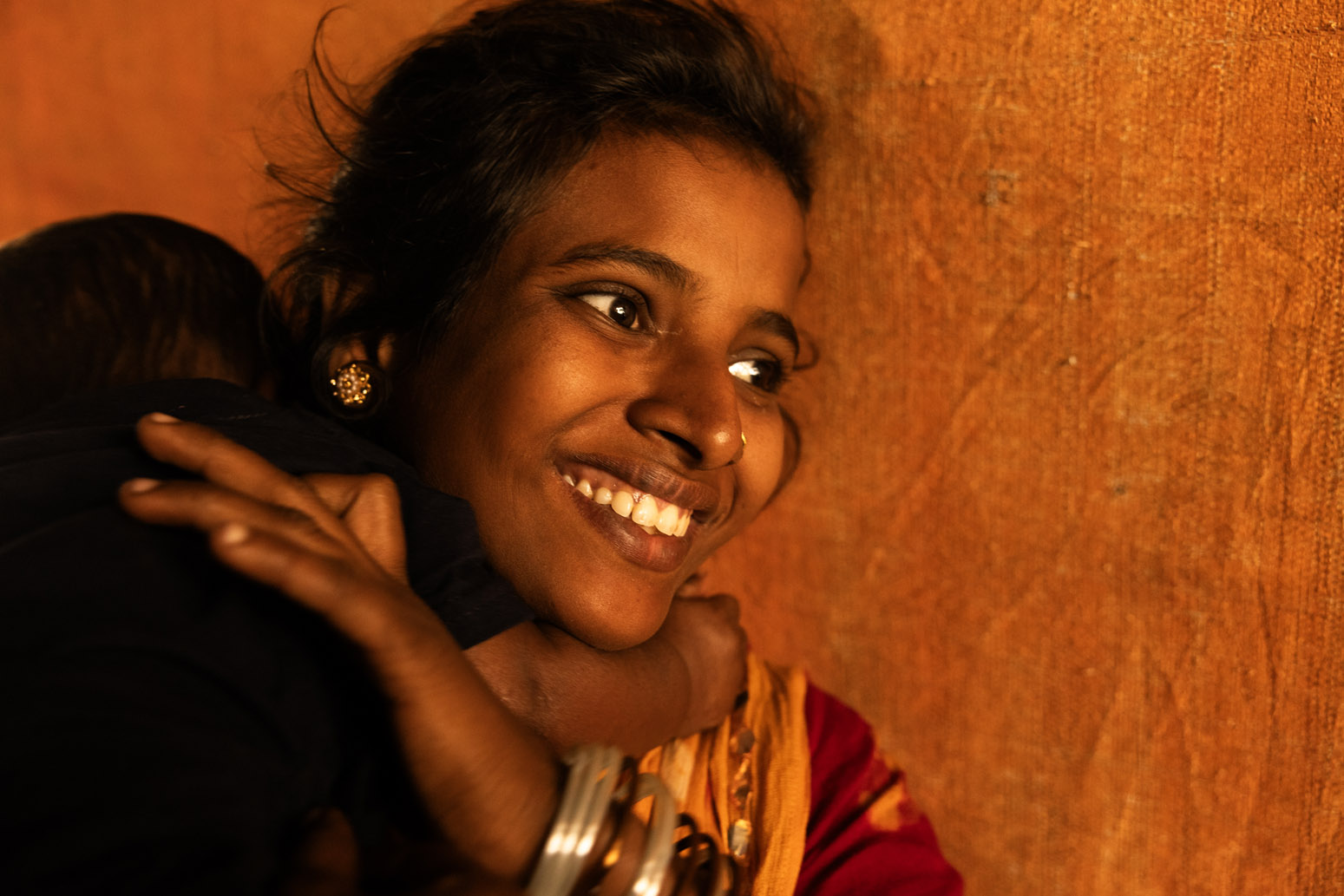
“Smartphones threaten the beautiful inner life of the Indian people.” In the heart of Kolkata, Father Laurent Bissara knows what he is talking about. Aged 53, this former French business leader left behind a career in IT that he found devoid of meaning to become a priest with the Paris Foreign Missions. Today, he is the successor of Father François Laborde, the inspiration behind *City of Joy*, working among the poor of Kolkata, India. In this reportage, we follow him in his daily commitment in Kolkata: a drop in the ocean in one of India’s poorest megacities, bringing shelter, education, and healthcare to the poorest of the poor. But another challenge is now emerging: modernity, arriving like a tsunami among a population that, like the West, now dreams of smartphones and space conquest. What are the consequences of such upheaval for India — a country whose very name reminds the rest of the world of the importance of prayer?
Publications





Virtual singers : I love a hologram
Virtual singers : I love a hologram
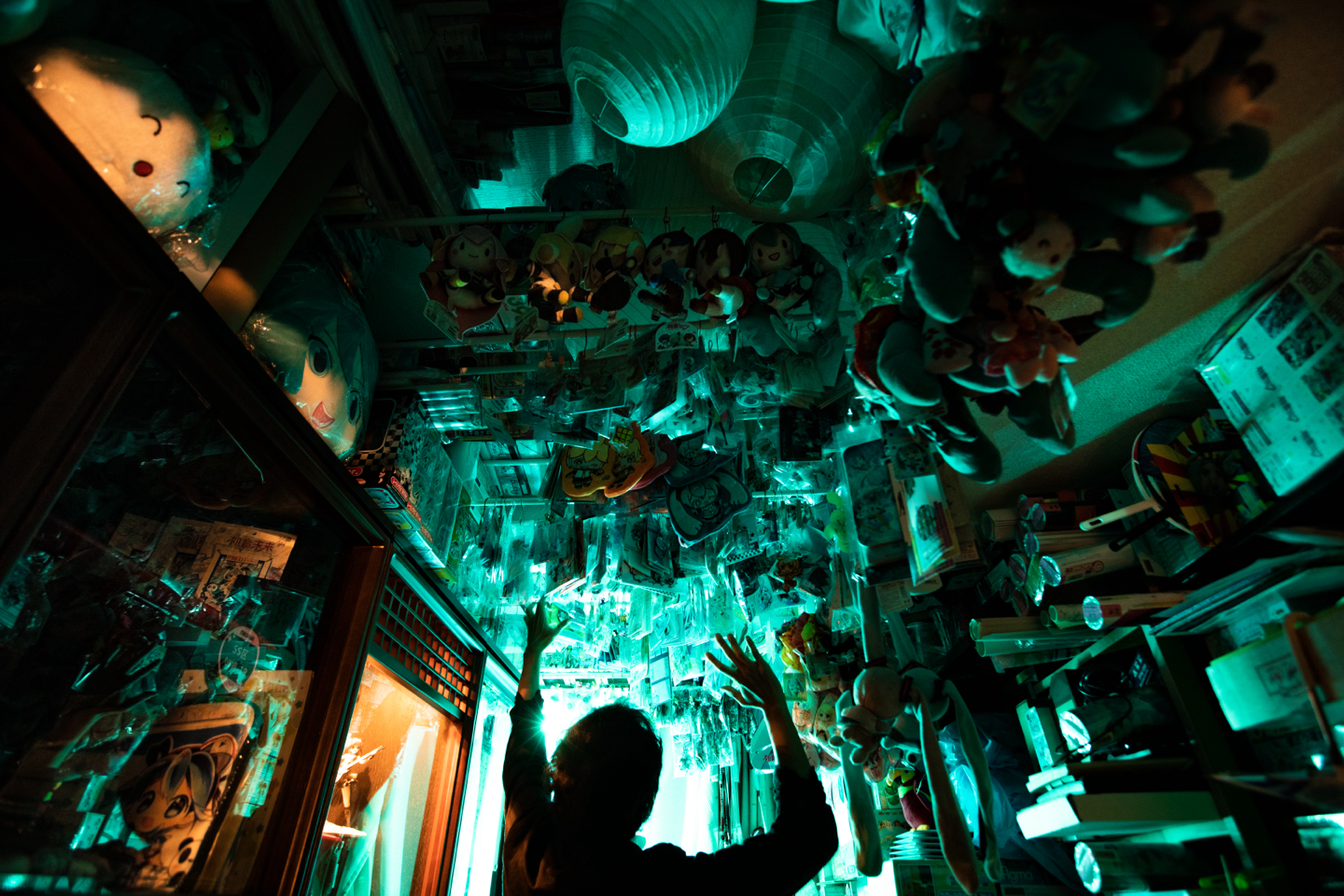
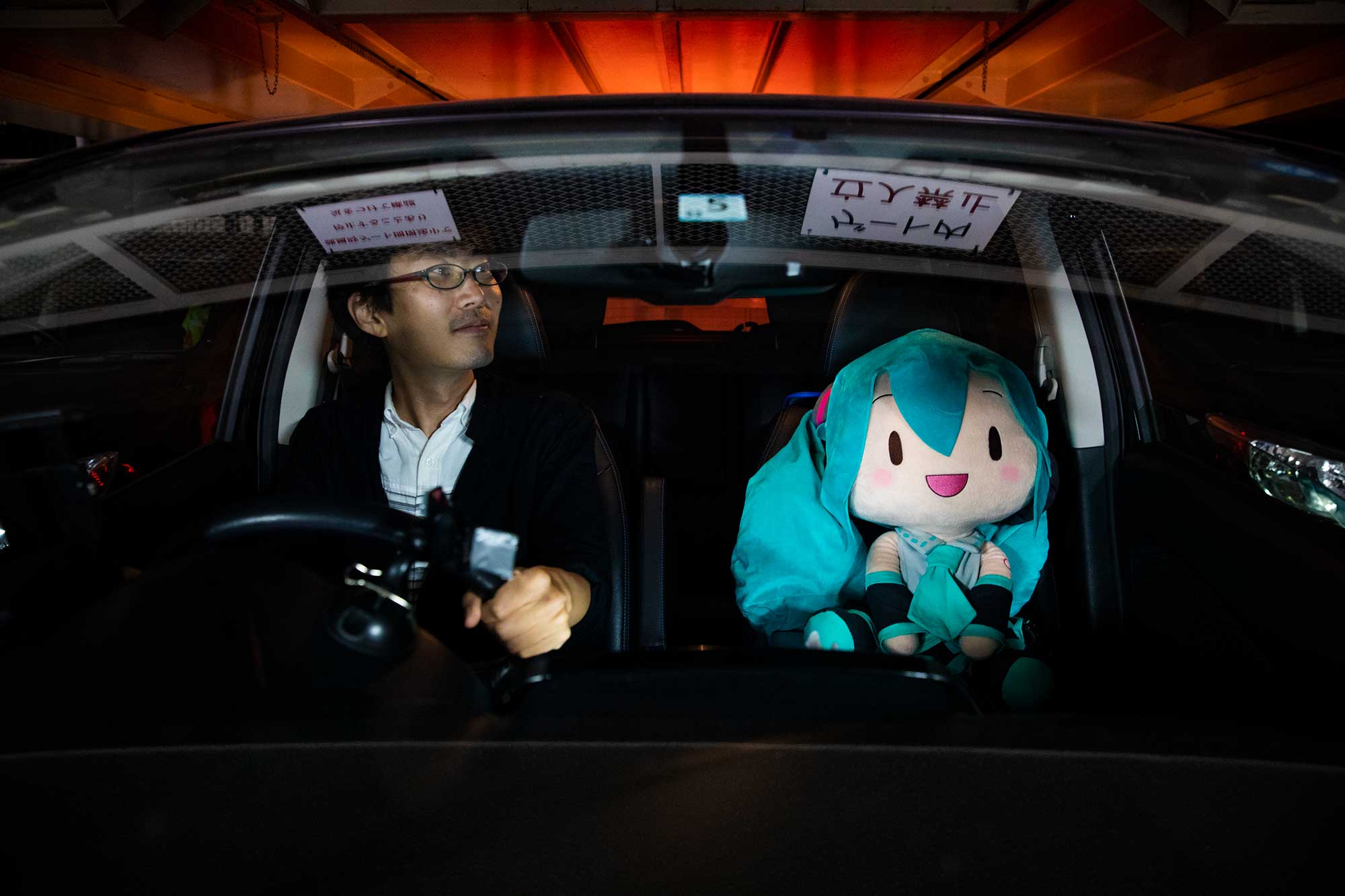
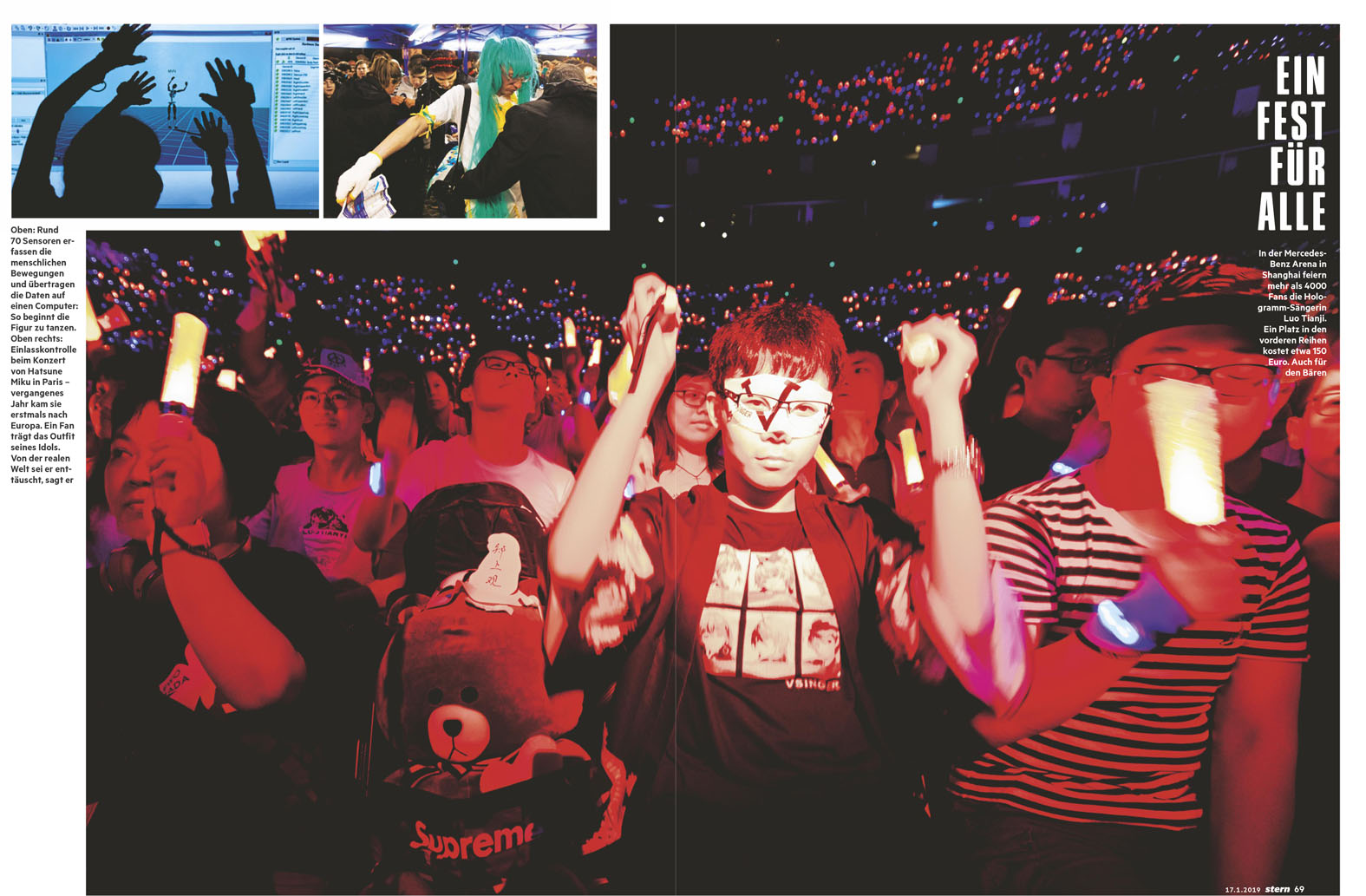
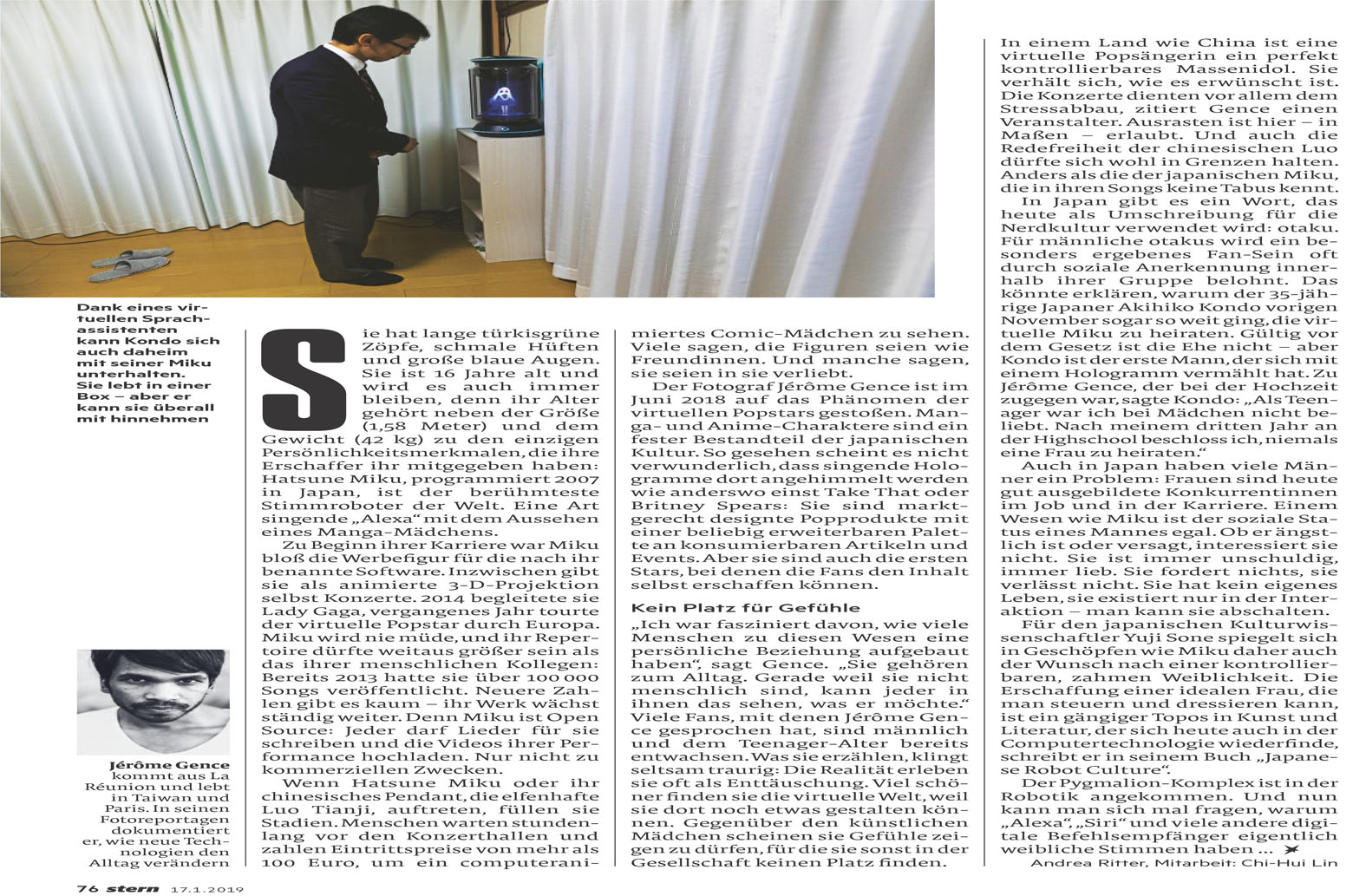
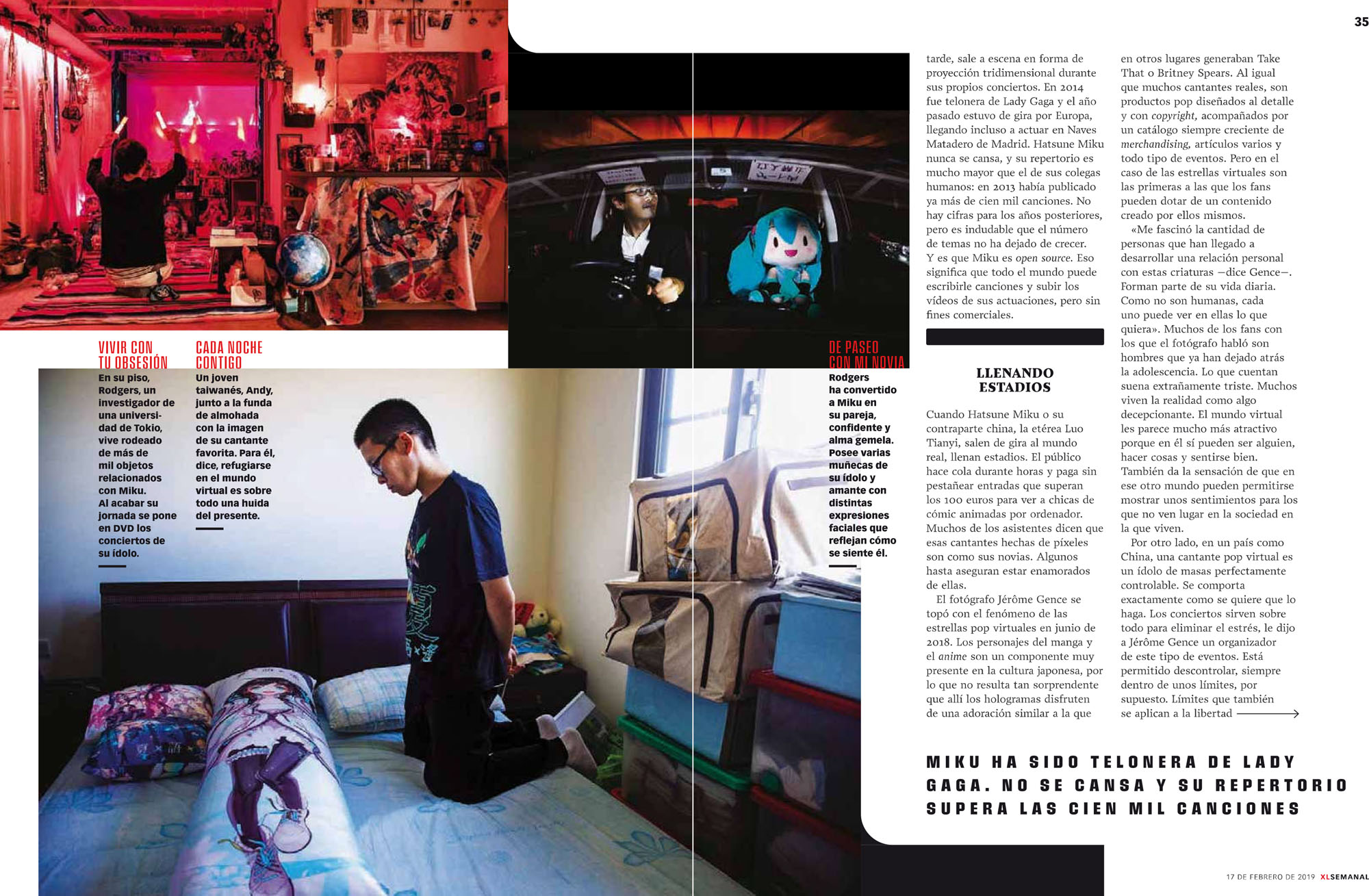
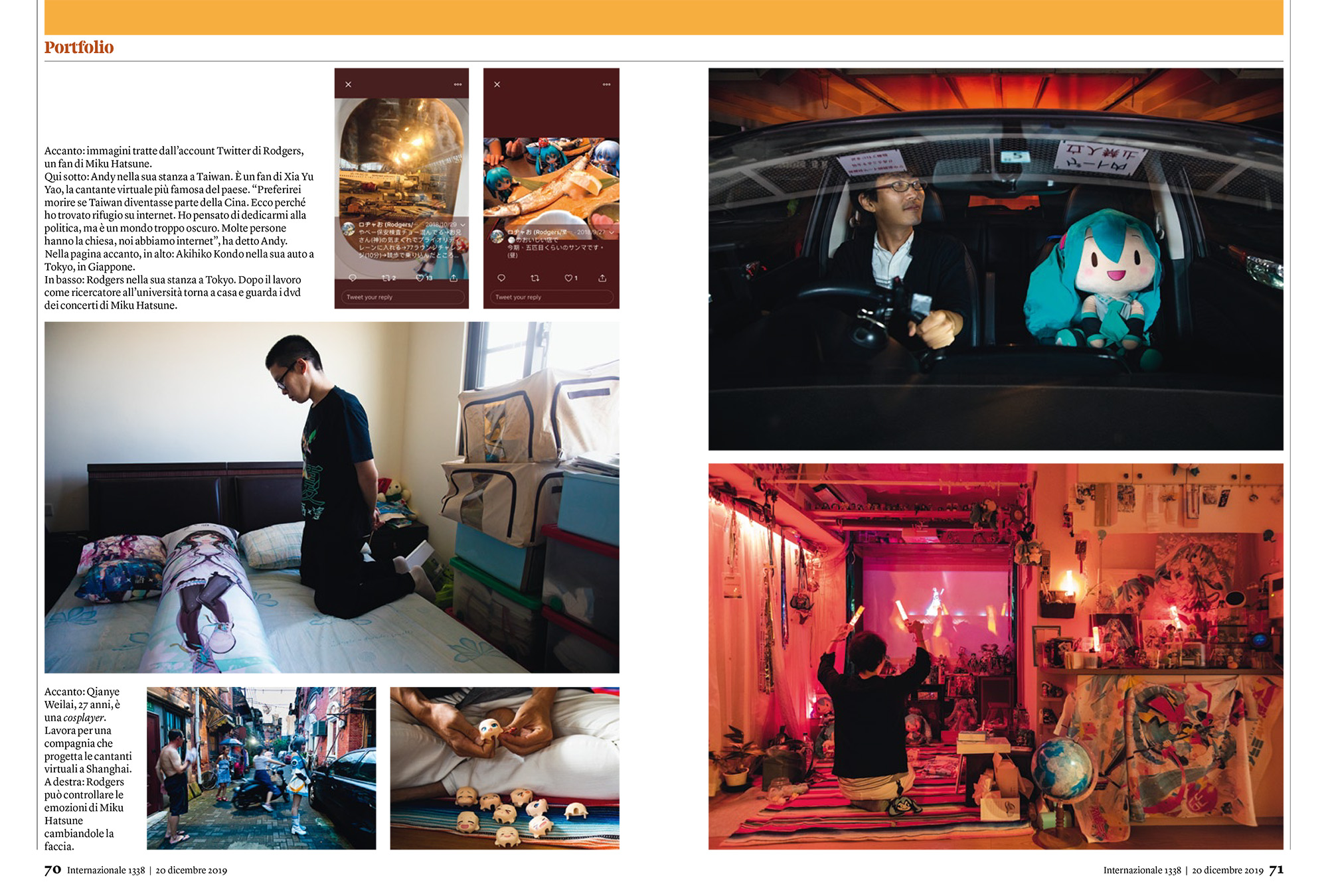
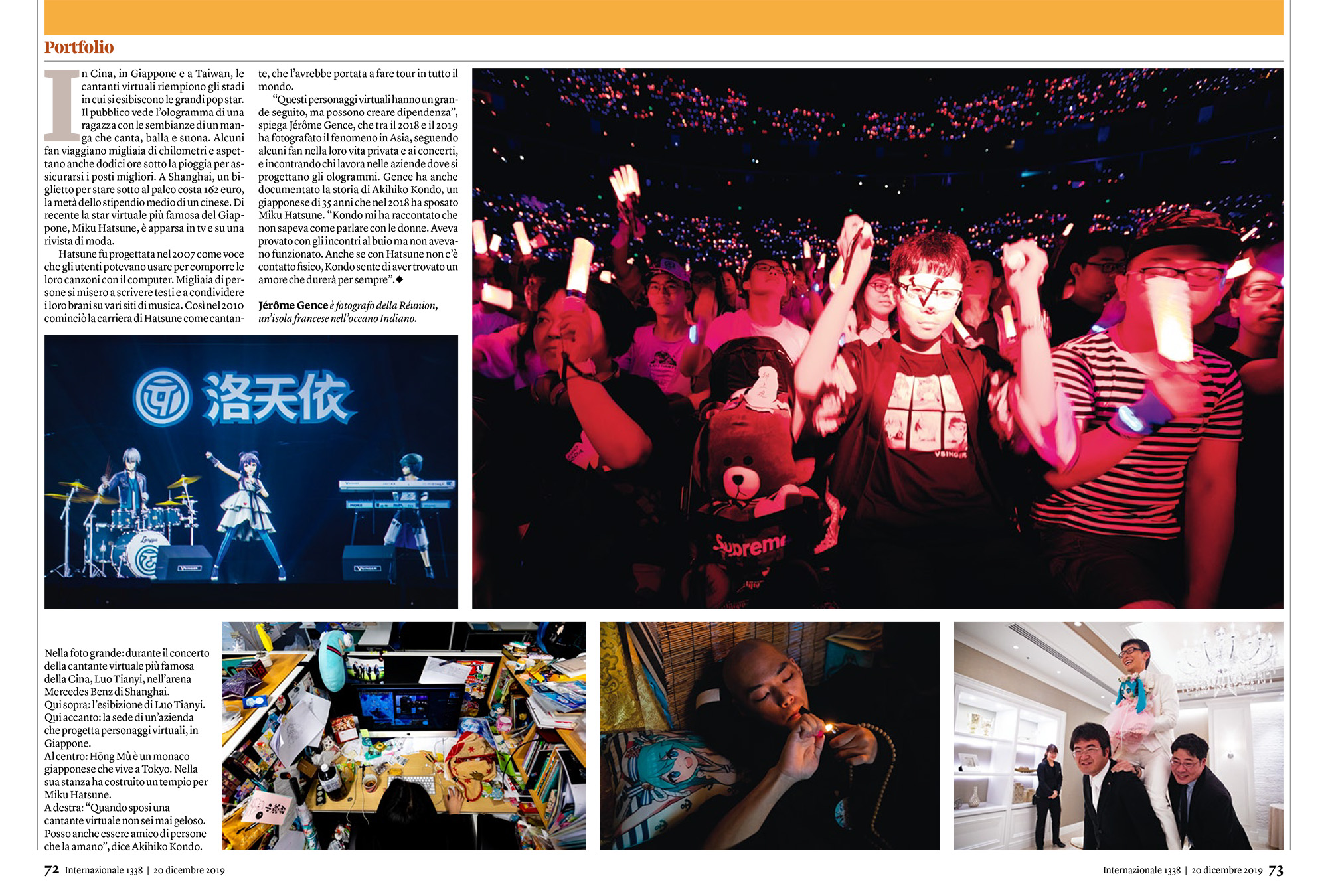
In Asia, virtual singers fill stadiums and blur the line between fiction, love, and reality.
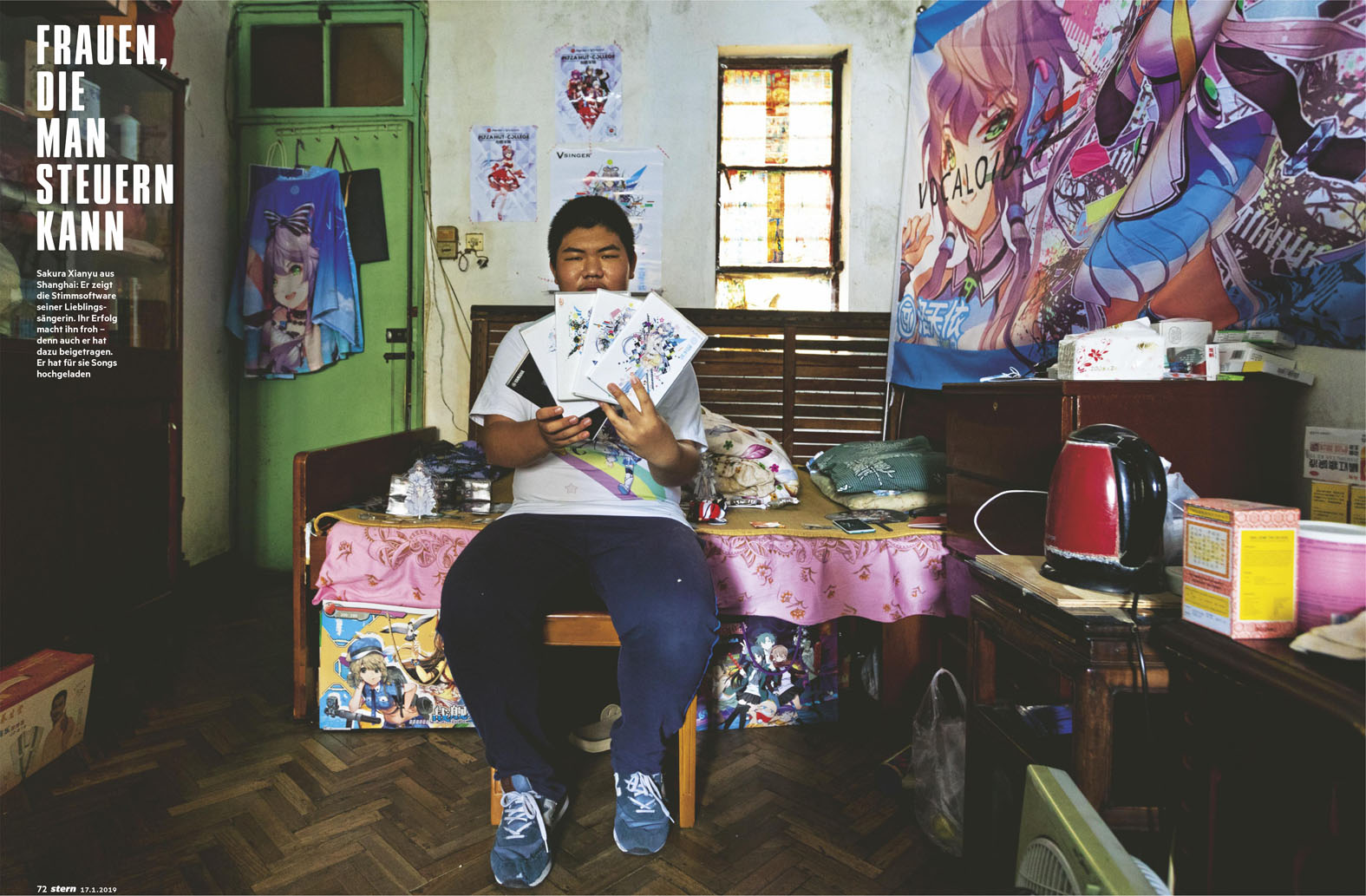
From Japan to China, this reportage explores why some young people find in a hologram a friend, an idol, and sometimes even a wife.
In Asia, virtual singers fill the same stadiums as the biggest human pop stars. For those disappointed by human relationships and willing to give a hologram a chance, this is the place to be. And it works: for some fans, virtual singers have become a friend, a god, and even… a wife. Hatsune Miku in Japan, Luo Tianyi in China, and Xia Yu Yao in Taiwan all enjoy pop-star status. Attending one of their concerts can cost more than a prestigious symphony orchestra performance. And for good reason: these hologram singers seem to be the spark of light in the darkness of their fans’ lives. From Japan to China, via Taiwan and France, I spent a year immersed in a world that moves between the virtual and the real. I wanted to understand: how can some young people fall in love with a virtual character? What do these behaviours tell us about the future of our society? Can a hologram help younger generations face their deepest fears?
Publications





Telework

Telework
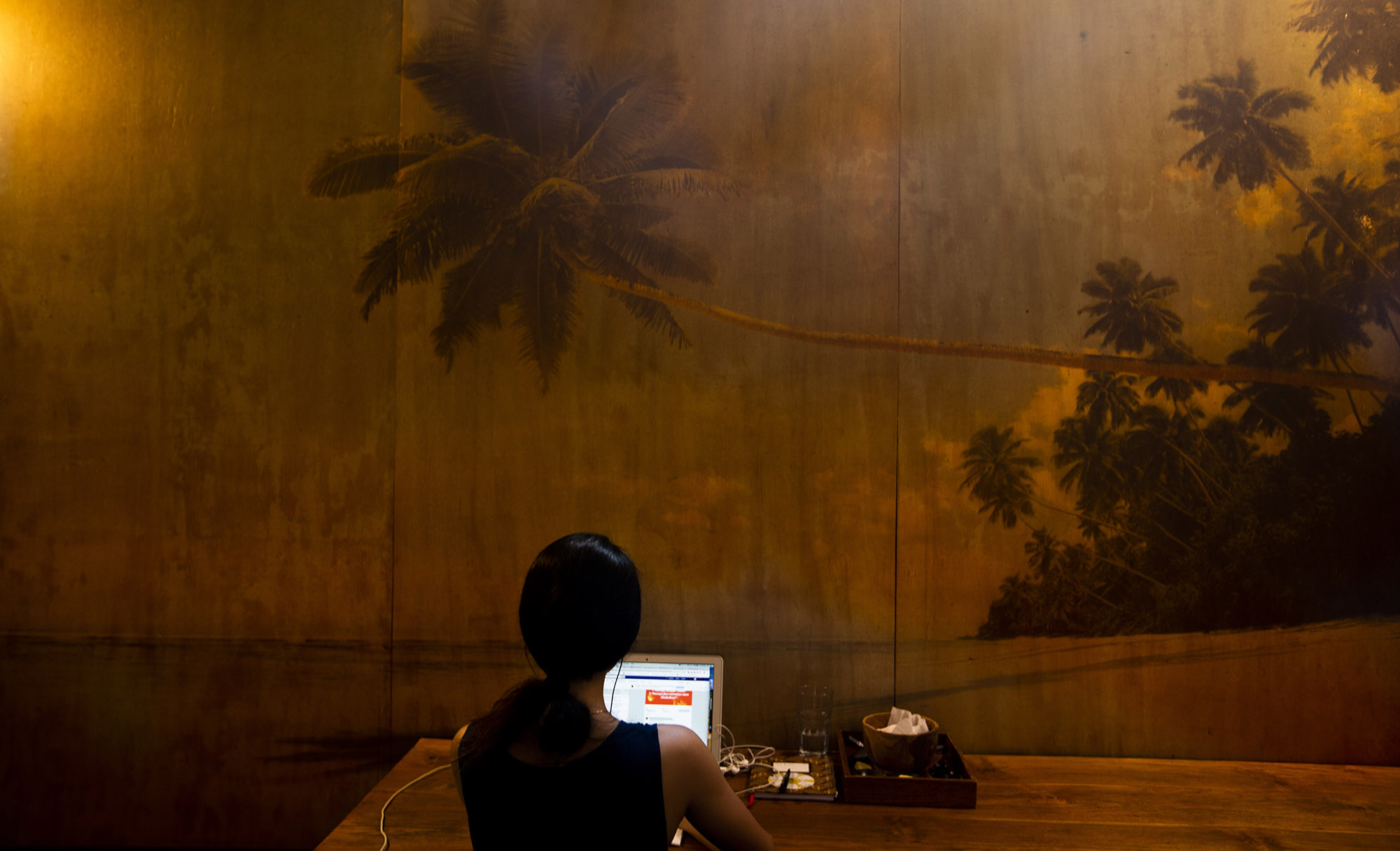
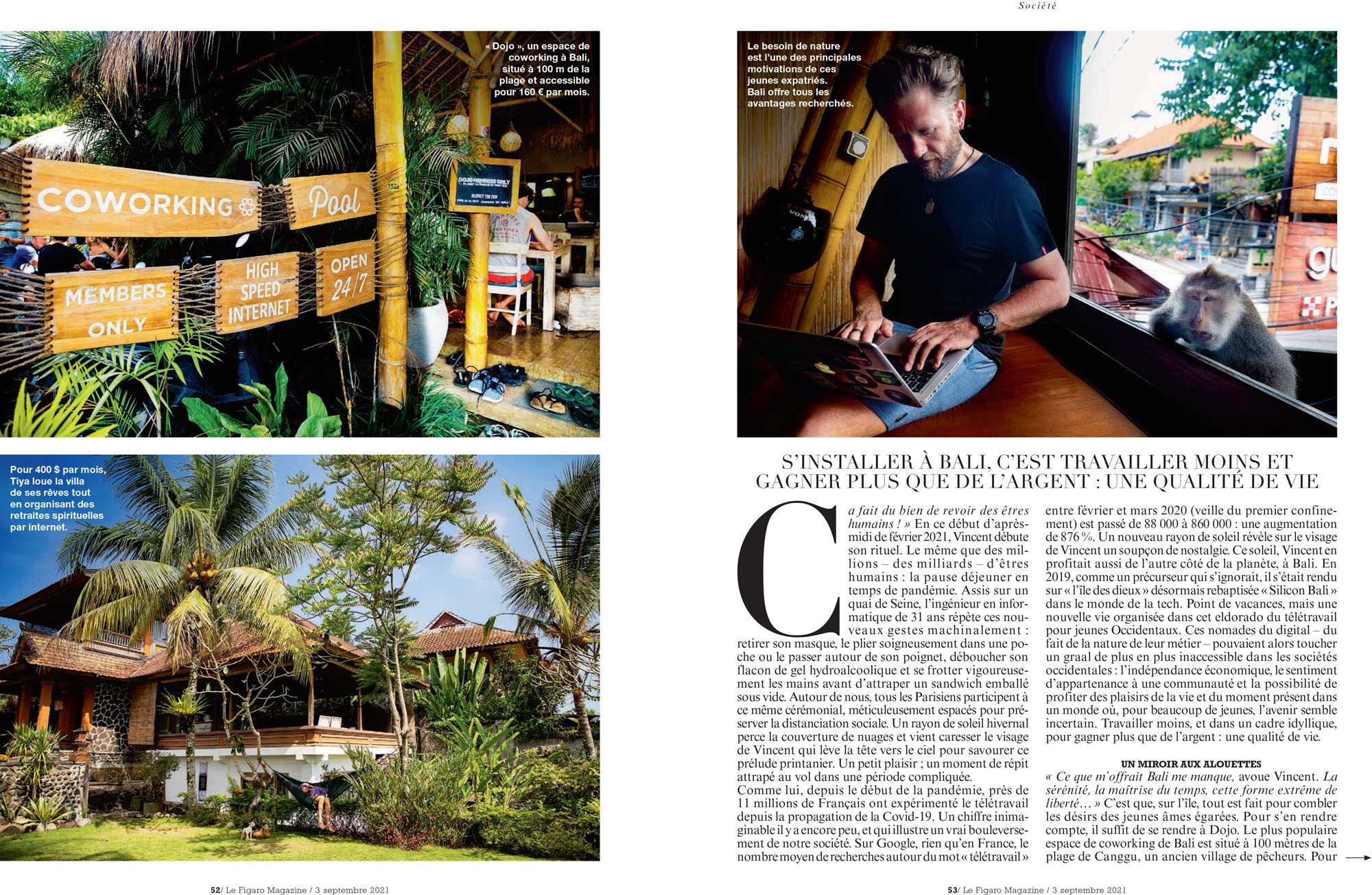
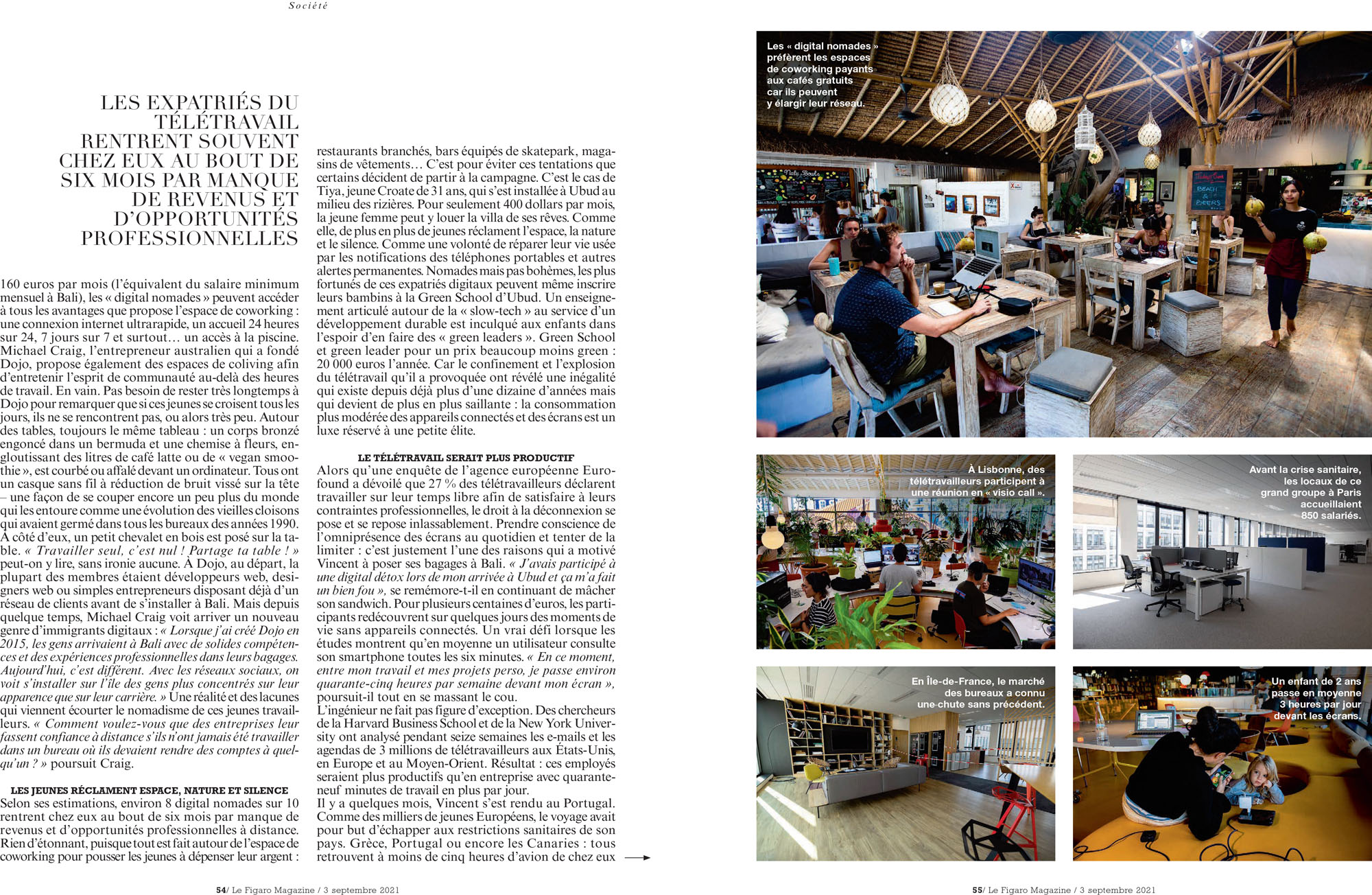
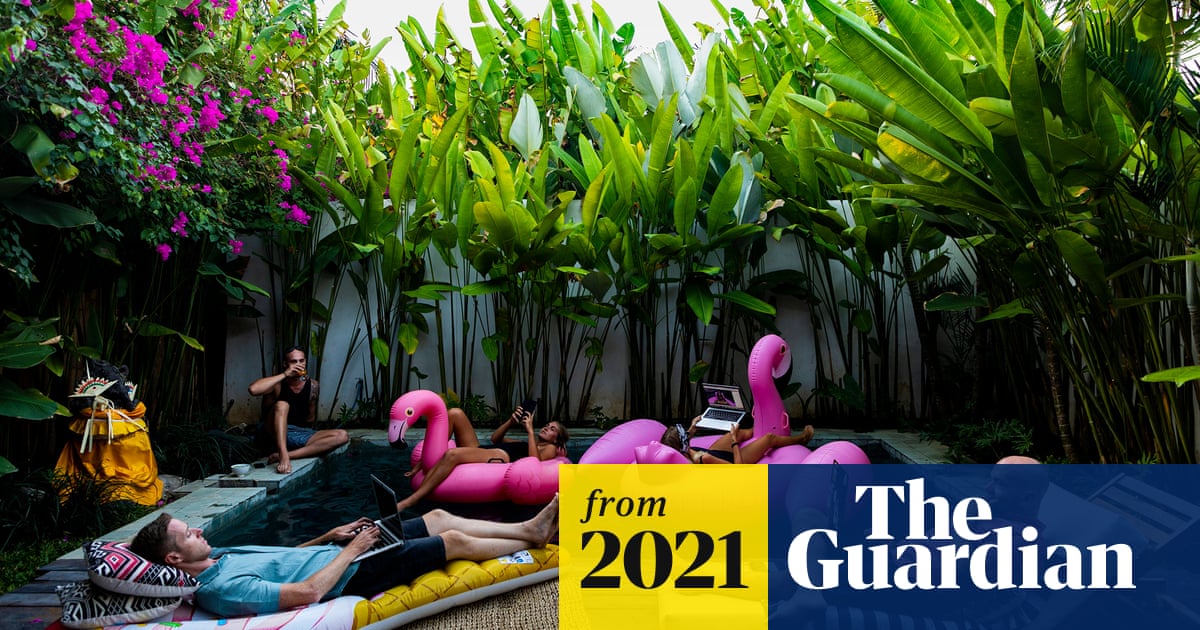
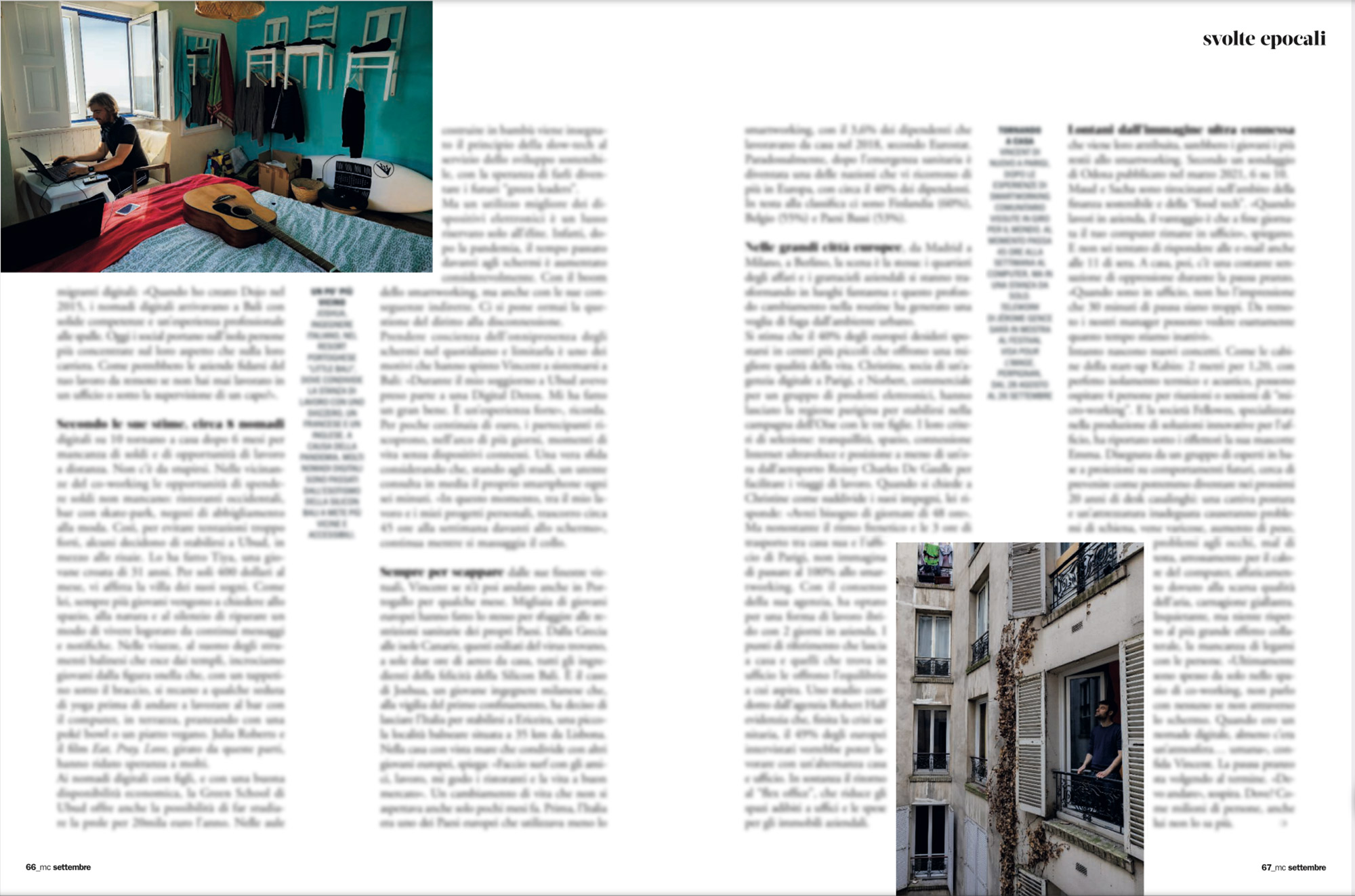
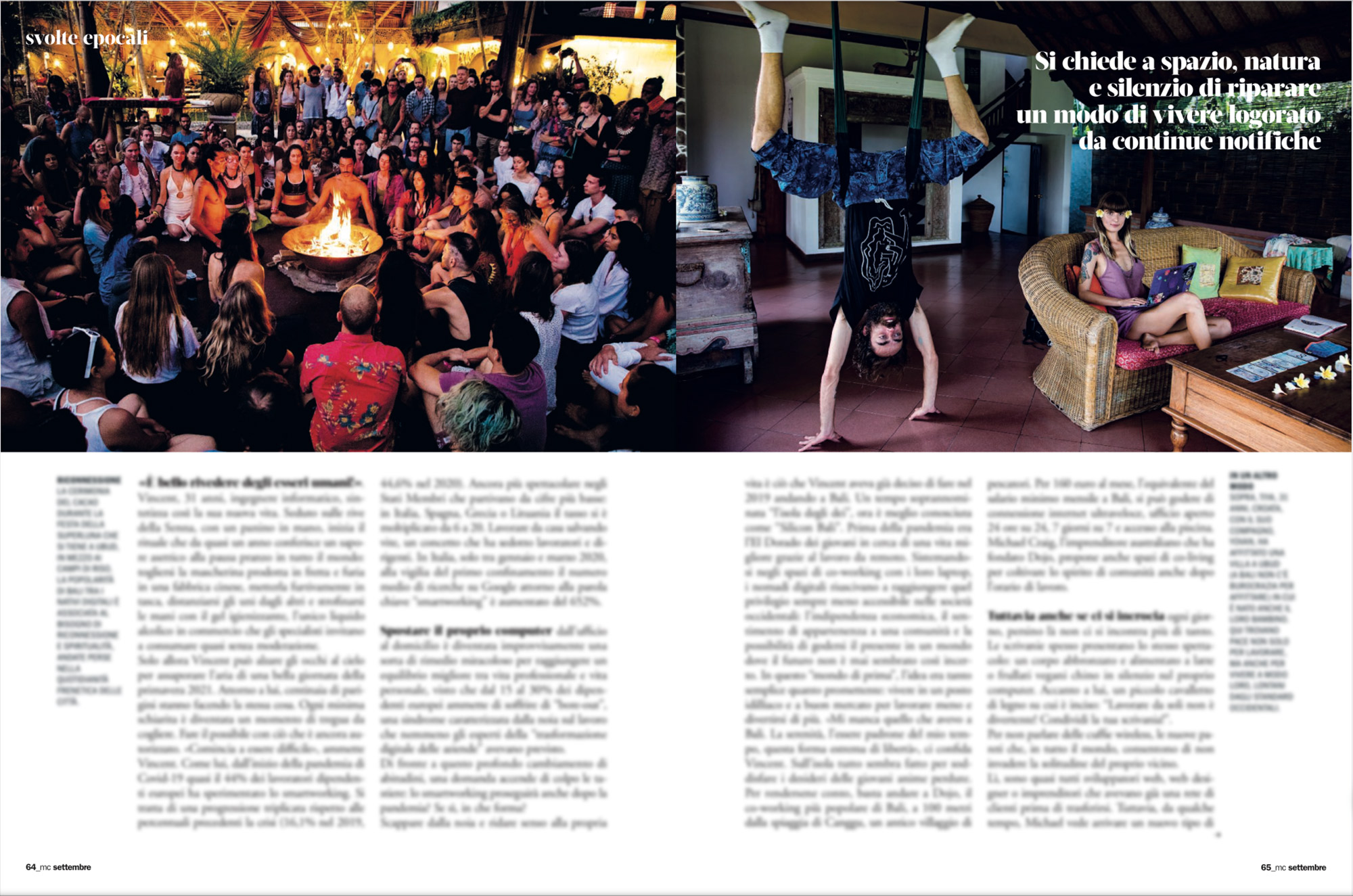
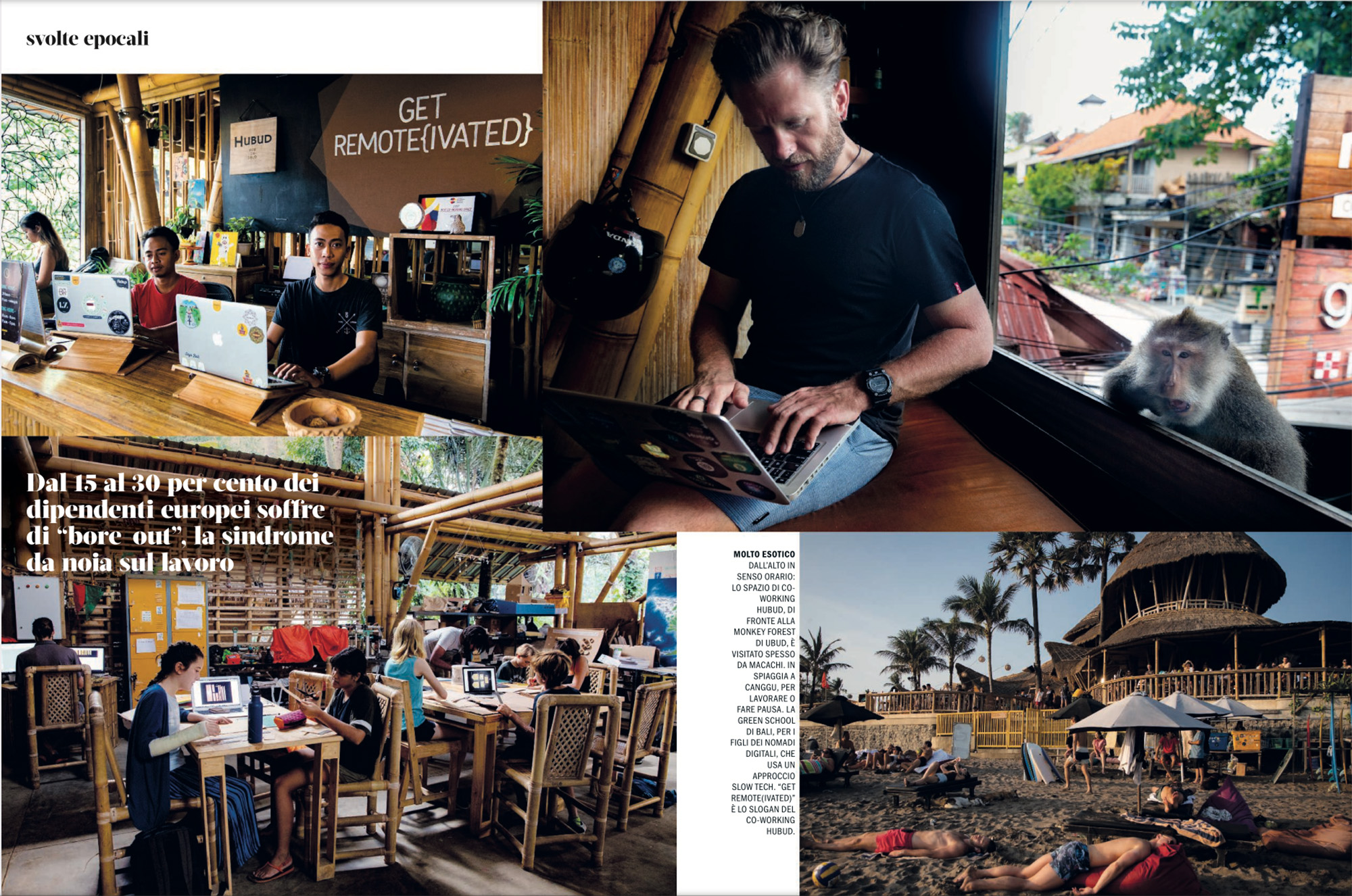
In Bali, young Western digital nomads found in remote work a promise of freedom, community and independence.
Coworking spaces turned the “Island of the Gods” into “Silicon Bali.”
Then the pandemic arrived, making remote work a global necessity overnight.
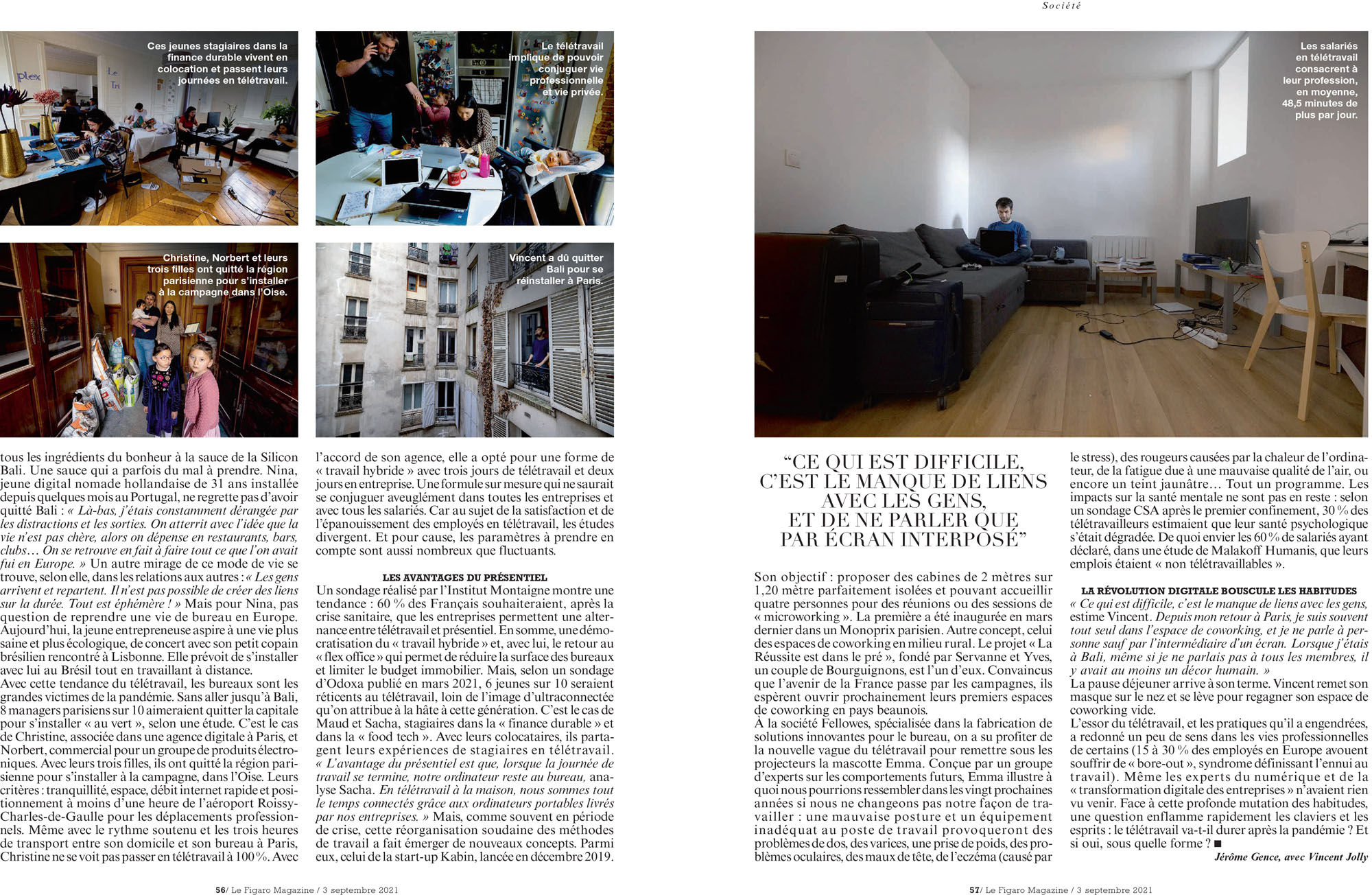
Before the pandemic, remote work was still seen by many companies as a form of escape — almost a luxury reserved for digital nomads working from places like Bali, where coworking spaces had turned the “Island of the Gods” into “Silicon Bali.” For these young Westerners, telework offered what had become increasingly difficult to find at home: freedom, community and economic independence. Then Covid-19 changed everything. In just a few weeks, remote work became a necessity for millions of employees, revealing both its promises and its limits: flexibility, but also isolation, fatigue and the pressure of being constantly available. This report explores teleworking practices in Bali and Europe, before and after the pandemic, in a world where the workplace may never be the same again.**
Publications

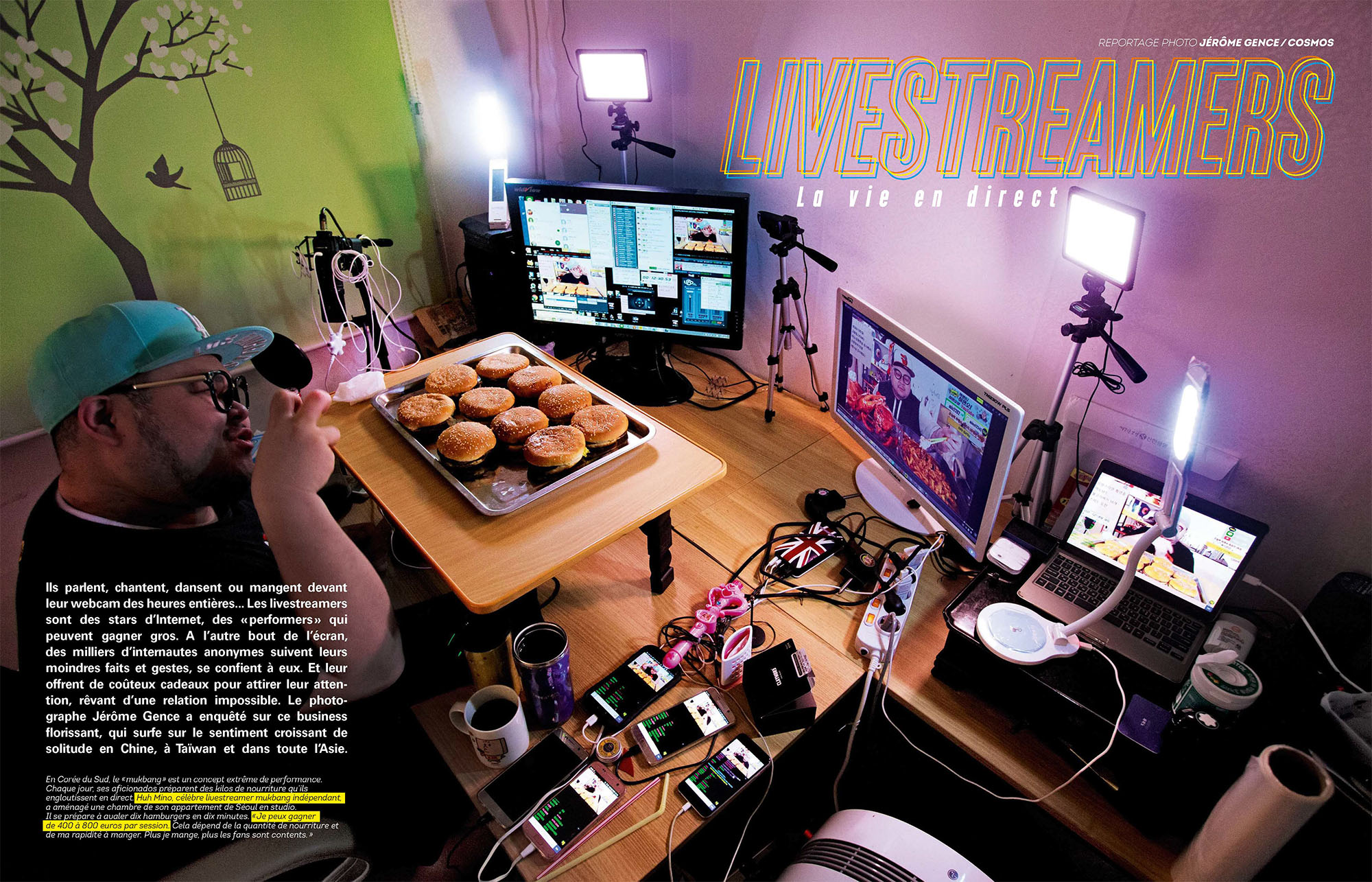
Mukbangs
Mukbangs
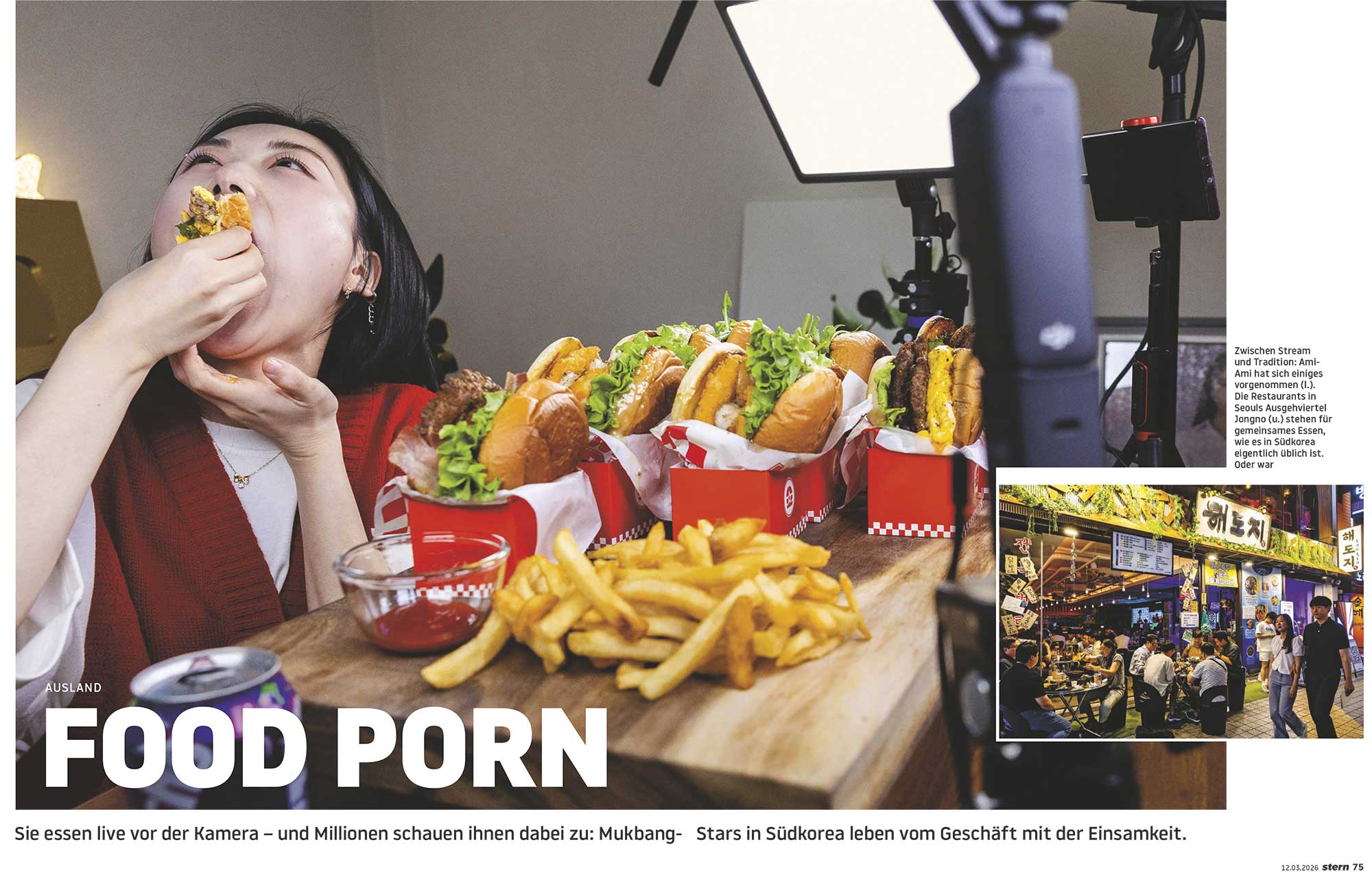
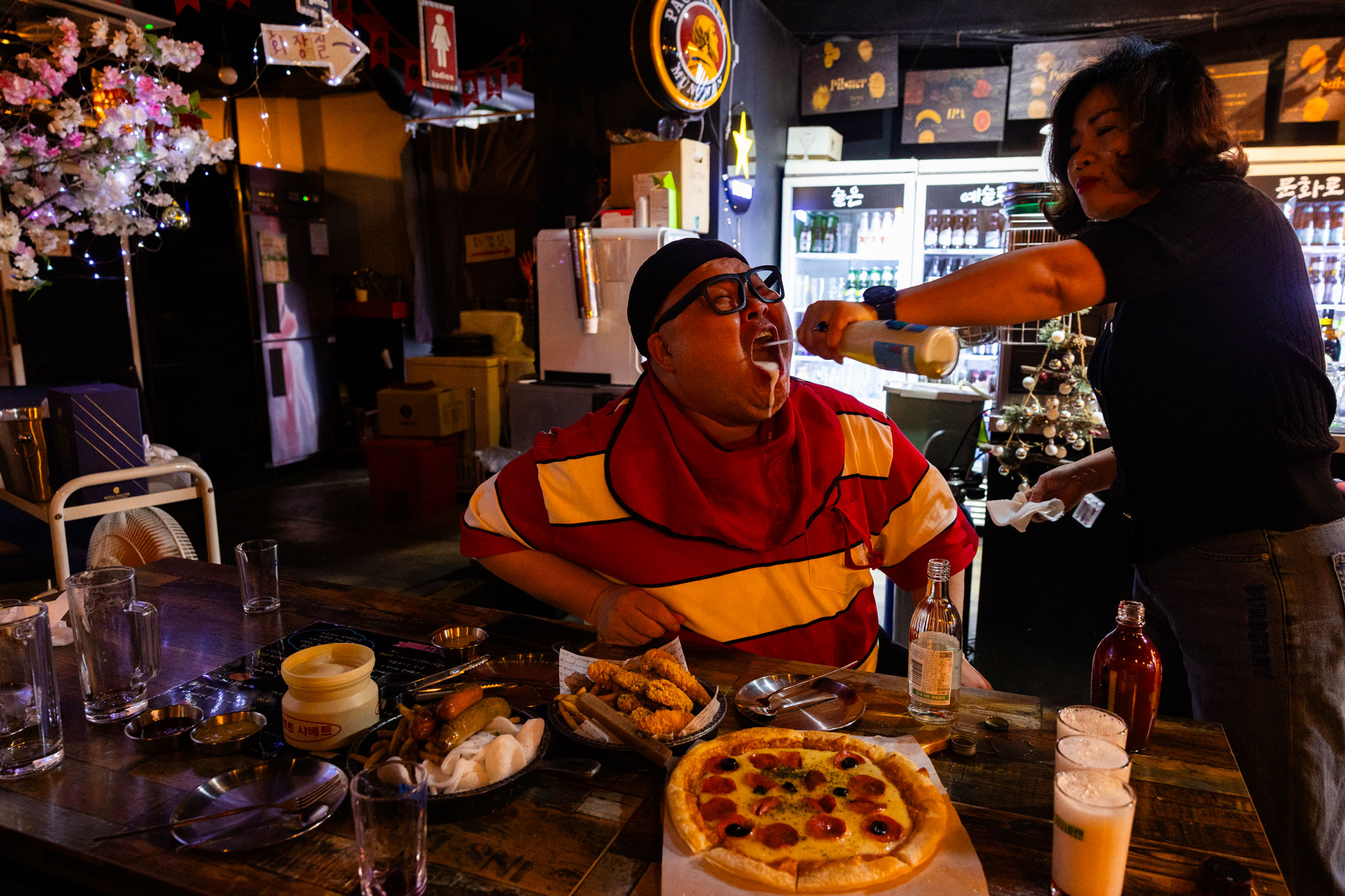
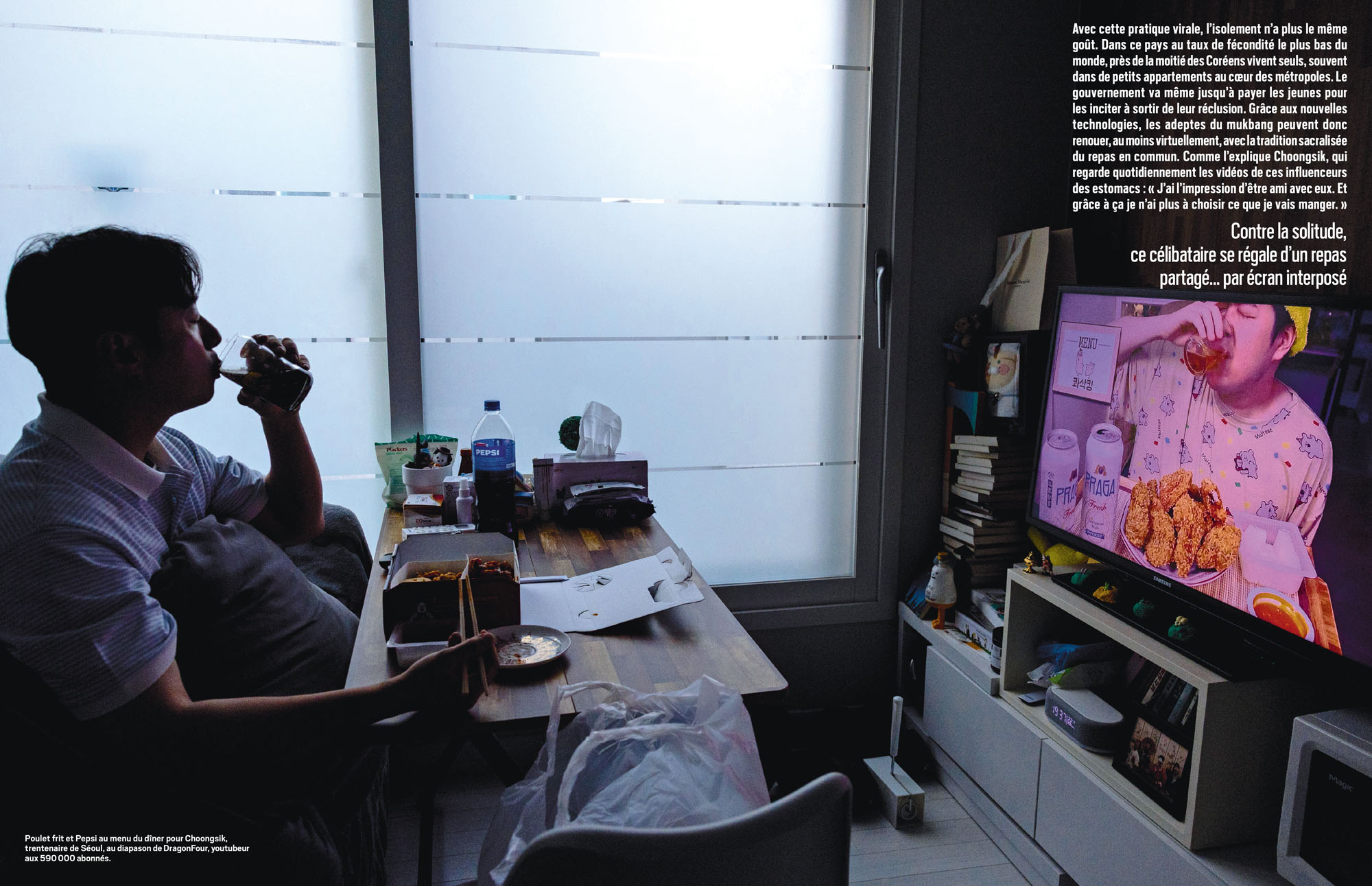
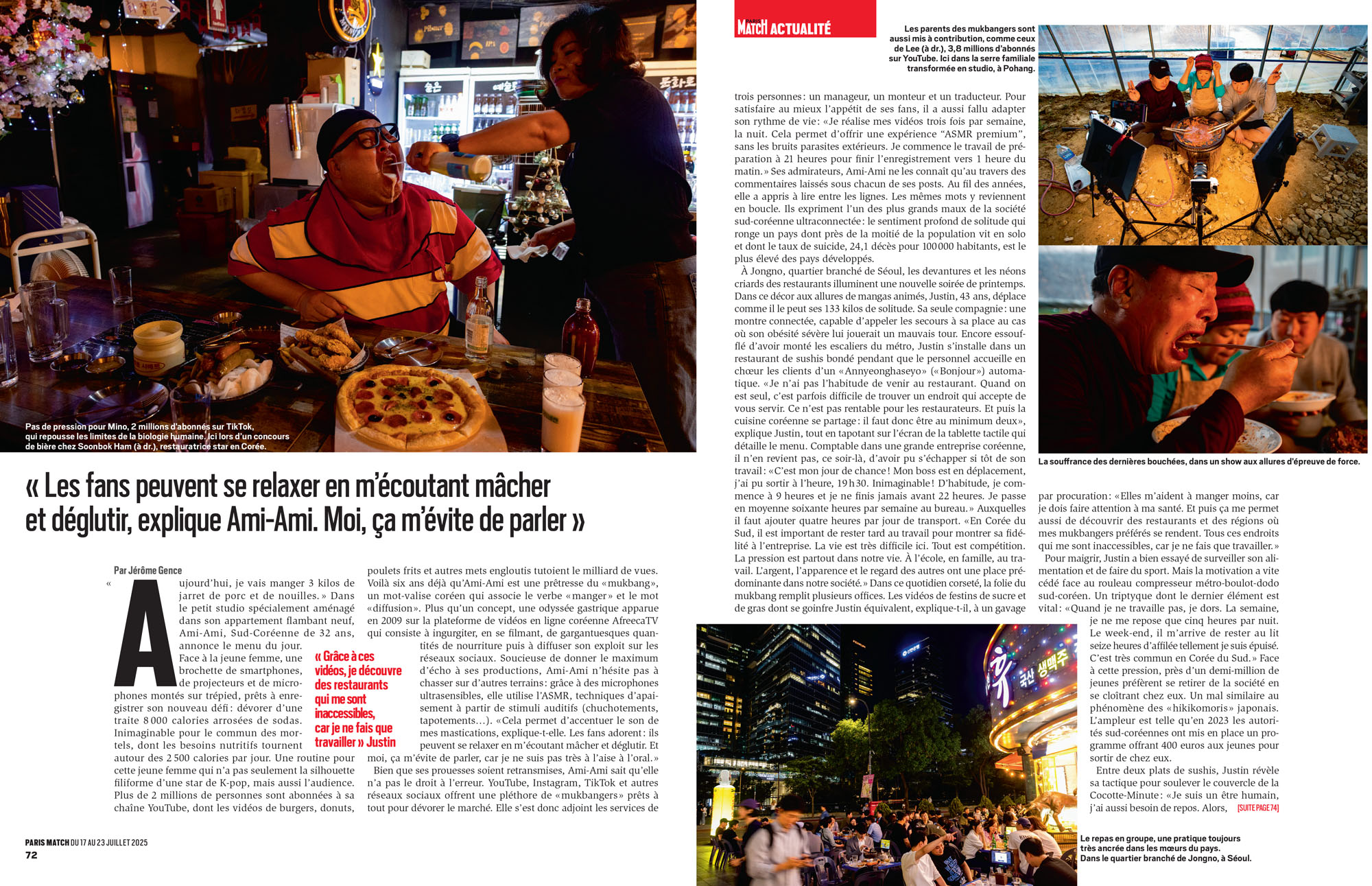
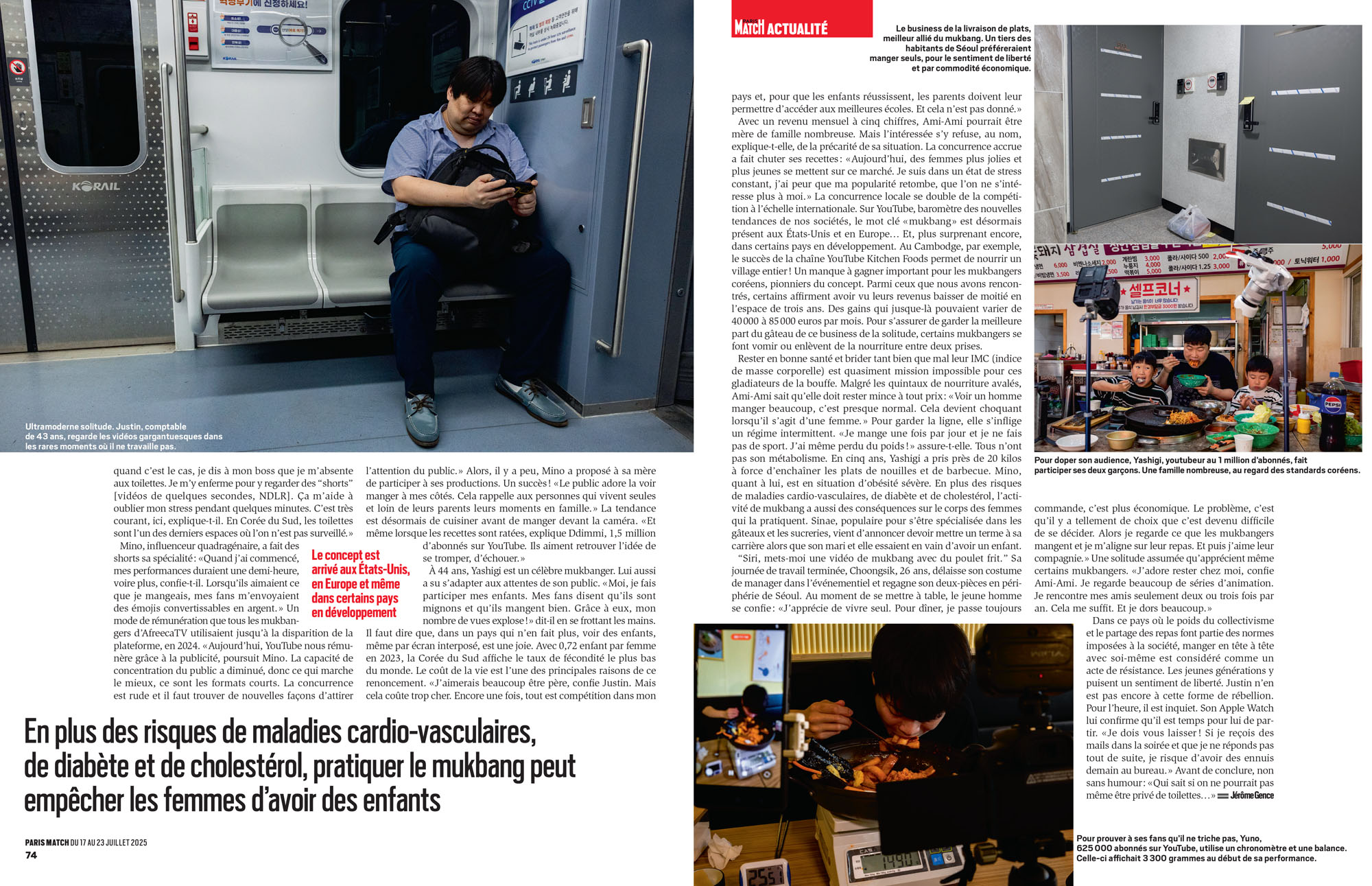
Born in South Korea, mukbang has become a global phenomenon. In front of the camera, men and women consume excessive quantities of food before broadcasting their performances on YouTube, TikTok, or AfreecaTV. Each meal becomes a spectacle, somewhere between physical challenge, staging, and the pursuit of an audience.
Born in South Korea, mukbang has become a global phenomenon. In front of the camera, men and women consume excessive quantities of food before broadcasting their performances on YouTube, TikTok, or AfreecaTV. Burgers, noodles, fried chicken, seafood, or spicy dishes: each meal becomes a spectacle, somewhere between physical challenge, staging, and the pursuit of an audience. But behind this food frenzy lies a darker reality. In a country marked by loneliness, social pressure, and constant competition, these filmed meals offer millions of viewers the illusion of a shared moment.

Publications

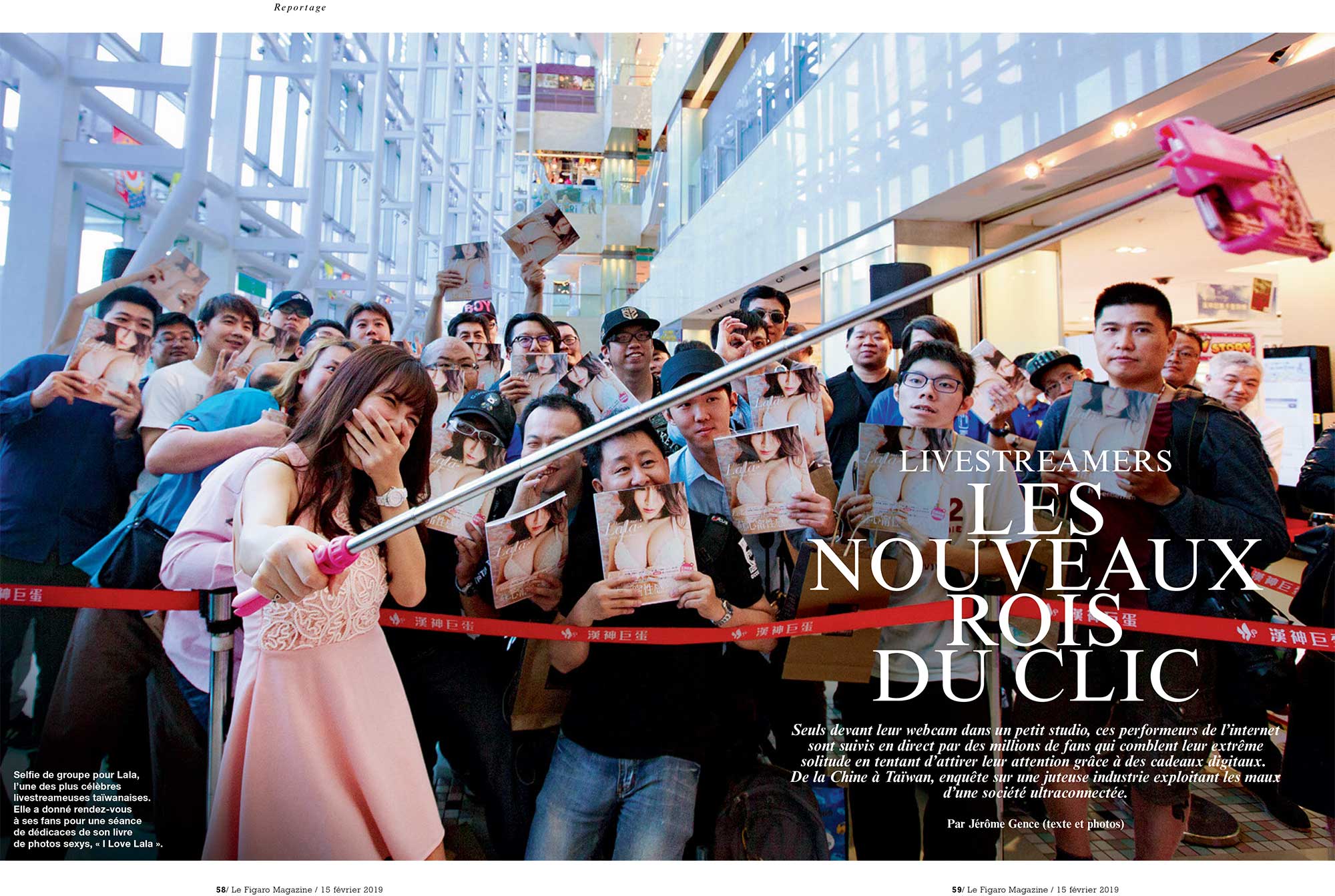
Livestreamers, Geishas of the Internet

Livestreamers, Geishas of the Internet
Every day, in Asia’s major capitals, livestreamers spend hours in front of their webcams—talking, singing, dancing, or eating live. On the other side of the screen are their fans: thousands of anonymous internet users fighting the weight of loneliness by sending their idols surprising gifts.
Every day, in Asia’s major capitals, livestreamers spend hours in front of their webcams—talking, singing, dancing, or eating live. On the other side of the screen are their fans: thousands of anonymous internet users fighting the weight of loneliness by sending their idols surprising gifts—virtual stickers delivered through instant messaging. Each time one appears on a livestreamer’s screen, a virtual sticker can cost up to €6,000. Enough to hope for a moment of attention from their idol, a few words in return, and perhaps even their heart… without ever meeting. From China to Taiwan via South Korea, we spent five months immersed in this industry of loneliness—a world as disorienting as it is inaccessible. What if, behind the candy-colored backdrops, we found the deeper ills of our hyper-connected societies? Is livestreaming the profession of the future?
Publications